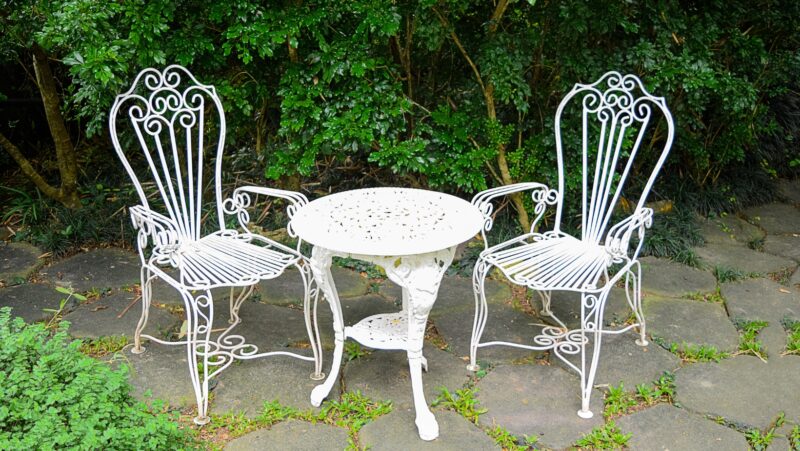
An inviting outdoor place is not only about nice plants or beautiful lights. The seating and the surface material in the right balance greatly determine how pleasant and practical the area is. When aesthetics, durability, and functionality come together, your patio becomes a natural extension of your home.
This blog will guide you through the process of making smart decisions that benefit both your patio chair style and the paver’s functional use.
How to Choose the Right Combination?
Understanding Your Outdoor Style and Needs
An effective patio design starts with an understanding of the space’s intended use. Some outdoor areas allow for quiet relaxation, while others are more about dining or partying. Narrowing the purchase purpose in the initial stages helps you finalize material and layout options and eliminates mismatched elements, which can disrupt the visual flow.
Defining Your Outdoor Design Style
The outdoor areas of the house reflect the house’s overall character. Clean lines and neutral tones define the modern look, whereas the traditional look is created with textured surfaces. To prevent visual overload, color palettes should be kept consistent. Well-guided design direction simplifies future decisions.
Choosing a Chair for Comfort and Use
The comfort level of the seating has a major impact on the space usage routine. A well-made chair provides the right back support and is appropriate for use.
The dining area needs seats that fully support the back, while the lounging area needs additional back slats. Matching the level of comfort for the area ensures you and your friends and family members will be comfortable sitting on them for years to come.
Climate, Maintenance, and Durability Factors
Weather exposure is the factor that affects the material’s performance over time. Temperature variations, humidity, sunlight, and rain can all affect finishes and even the structure’s strength.
Low maintenance needs are achieved by selecting materials that resist the effects of time, that is, those that do not rust or become discolored. Additionally, durable materials, e.g., stone, glass, etc., secure long-term value and attractiveness.
Budget Planning for Chairs and Pavers
A practical budget allows you to focus on quality where it really counts. Seating and surface also impact comfort and safety. The additional expenditure on long-lasting materials would reduce future replacement costs. Thus, budgeting smartly creates harmony without incurring unnecessary expenses.
Matching Patio Chairs With Patio Pavers

The connection between seating and surface materials predetermines the overall impression of the patio. Texture, color, and size should work together and not compete. A perfectly selected patio paver gives the whole design its best look. Aesthetic choices made in the same way lead to visual harmony and functional comfort.
Here are some styles you can explore.
Smooth Pavers With Modern Chair Styles
Smooth pavers provide a clean, organized foundation. They go well with sleek seating designs and minimal silhouettes. This mix conveys a classy, uncluttered look. The outcome is deliberate and aesthetically peaceful.
The even surface definitely contributes to the ease of moving and rearranging the furniture. The neutral colors typically draw attention to the seating without taking up the entire space. Such a mixture perfectly matches the outdoor spaces, creating a sophisticated, modern atmosphere.
Textured Pavers With Woven Seating
Outdoor spaces are made warm and rich with textured surfaces. A textured paver is suitable for woven or layered seating materials. The contrast between rough and soft elements gives the design an area of interest without overloading it. This technique is well-balanced and welcoming.
Neutral Pavers With Accent Chairs
Neutral surfaces, such as soft grays or warm beiges, are compatible with an extensive range of accent colors. Frames or cushions may be replaced with new seasonal materials without changing core materials. The flexibility is another major strength of this pairing.
Natural Materials for a Unified Look
Natural materials give a cohesive and grounded aesthetic. Stone surfaces blend with wood or fiber-based seating. Minor texture differences contribute to visual depth. The net impact is eternal and seamlessly incorporated.
Conclusion
When designing outdoor spaces, seating and surface options should be carefully coordinated. When comfort, durability, and style combine, the patio becomes more inviting and functional.
When planning, it is critical to ensure that materials do not compete with one another. With the right elements, your outdoor space will make for the perfect spot for relaxation, parties, and long-term enjoyment.
References:
https://www.lowes.com/pl/patio-furniture/patio-chairs/4294415670
http://lowes.com/pl/pavers-retaining-walls/stones-pavers/pavers-stepping-stones/2931858413
https://www.thespruce.com/best-patio-chairs-7375097
https://jointit.com/blog/choosing-the-perfect-patio-furniture-to-complement-your-paving