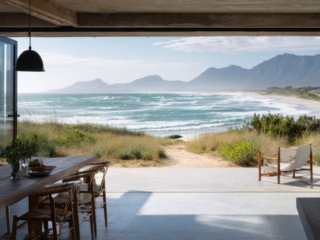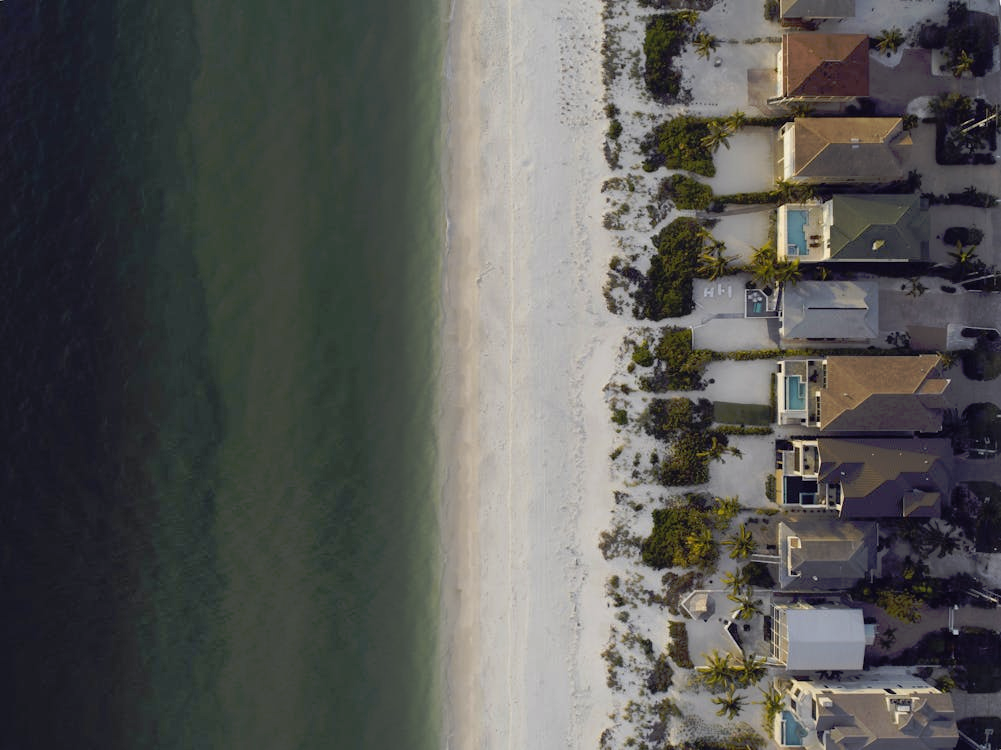
Buying a coastal property can be exciting, but it’s important to know what you’re getting into. The charm of ocean views and sandy shores often comes with hidden challenges.
With that in mind, here’s a walkthrough of the essential factors to evaluate, from flood zones to access to nearby amenities. Let’s make your coastal home dream a well-informed one.
Understanding Flood Zones and Insurance Requirements
Coastal homes often sit in areas prone to flooding, which can affect insurance costs and long-term value. Check FEMA flood maps to determine if the property is located in a high-risk zone. Properties in these areas may require specialized insurance, which adds to your monthly expenses.
For instance, when comparing homes for sale in Brunswick GA you must review elevation certificates and understand potential storm surge impacts. Speak with local insurance agents to estimate costs and ensure the home complies with current floodplain management standards. Planning ahead helps avoid surprises after purchasing your dream coastal property.
Evaluating the Property’s Structural Integrity
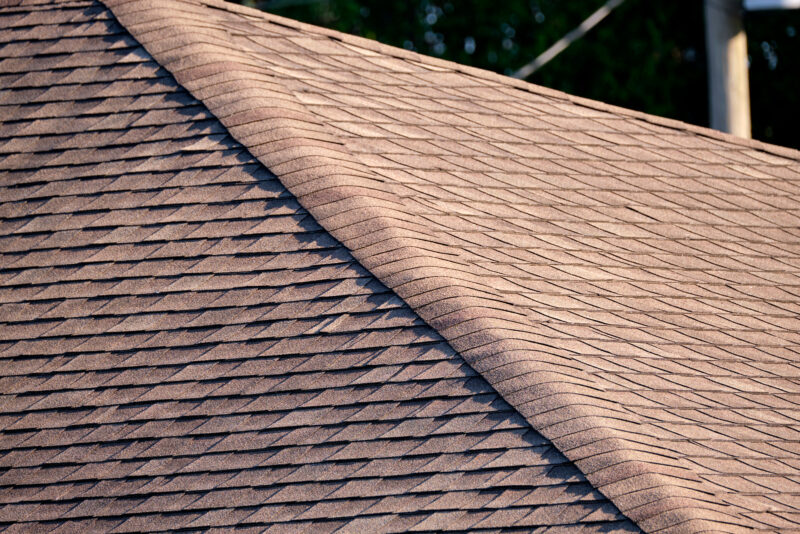
Coastal properties are exposed to harsh elements, such as salty air, high winds, and moisture, which can weaken structures over time. Inspect the home’s foundation, roof, and siding for signs of wear or damage.
Pay attention to materials, as concrete and treated wood often hold up better in coastal environments. Look for corrosion-resistant features, like stainless steel fixtures and hurricane-rated windows.
A professional inspection is crucial for uncovering hidden issues, such as water intrusion or wood rot. Addressing structural integrity ensures the home can withstand the challenges of its environment while protecting your investment for years to come.
Assessing Maintenance Costs Unique to Coastal Homes
Living by the coast comes with higher upkeep costs due to constant exposure to salt, moisture, and wind. Metal fixtures may rust faster, while wood requires regular sealing to prevent rot.
HVAC systems work harder in humid climates, often needing more frequent servicing and maintenance. Salt buildup can damage outdoor furniture, appliances, and even vehicles.
Budget for ongoing maintenance, including repainting, roof inspections, and pest control, to preserve the property’s value. Researching local service providers familiar with coastal homes can save time and ensure quality work. Understanding these costs upfront avoids surprises after you move in.
Reviewing Proximity to Amenities and Essential Services
Access to amenities like grocery stores, healthcare facilities, and schools significantly impacts the convenience of coastal living. Remote properties may feel serene, but can pose challenges for everyday needs.
Check the distance to emergency services, such as fire stations or hospitals, especially in areas prone to storms. Evaluate road conditions and accessibility, as some coastal areas may rely on narrow or flood-prone routes.
Nearby recreational amenities, like marinas, restaurants, and parks, can enhance your lifestyle. Balancing the peace of a secluded property with practical access to essentials ensures a comfortable and sustainable living experience.
Navigating Local Zoning Laws and Environmental Regulations
Coastal properties are often subject to strict zoning laws and environmental protections. These regulations may limit renovations, expansions, or landscaping to preserve natural habitats and reduce erosion.
Research building restrictions, setbacks, and permits required for any changes you plan to make. Local ordinances may also regulate beach access or impose rules for stormwater management.
Consult local planning offices or a real estate attorney familiar with coastal areas to avoid costly mistakes. Understanding these rules ensures your plans align with local policies while protecting the area’s ecological balance and the long-term value of your property.
The Role of Landscaping in Protecting Coastal Properties
Landscaping does more than enhance curb appeal; it can safeguard your coastal property from erosion and storm damage. Native plants with deep root systems stabilize soil and resist salt spray better than non-native options.
Strategically placed trees and shrubs act as windbreaks, reducing the impact of strong gusts on your home. Permeable surfaces, like gravel paths, help manage stormwater runoff and prevent flooding.
Work with local landscaping experts who understand the area’s unique challenges. Thoughtful design not only enhances aesthetics but also provides an added layer of protection, preserving your property against the elements for years to come.
Balancing Luxury Features with Practical Needs
Approximately 29% of people reside in coastal regions, and their homes often feature enticing luxury amenities, such as large decks, outdoor kitchens, and expansive windows. While these enhance enjoyment, consider their upkeep in a coastal environment.

Salt and humidity can corrode fixtures, fade finishes, and weaken materials. Select durable, weather-resistant options, such as composite decking and stainless steel appliances, to minimise maintenance.
Prioritize features that offer practical benefits, such as hurricane shutters, elevated construction, or energy-efficient windows. Striking a balance between indulgence and durability ensures your home remains both beautiful and functional, providing you with peace of mind as you enjoy the coastal lifestyle.
Final Thoughts
Choosing the perfect coastal property means balancing dreams with practical realities. From flood zones to maintenance needs, careful planning protects your investment and ensures long-term enjoyment.
By considering factors such as structural integrity, zoning laws, and amenities, you’ll find a home that not only suits your lifestyle but also withstands the challenges of coastal living.