Water damage can occur at any time and anywhere in your home. It can be caused by faulty plumbing lines, broken appliances, or leaking roofs, resulting in varying levels of damage, ranging from mild to severe. Regardless of where the damage occurs, water damage can result in thousands of dollars in repair costs each year if not addressed promptly.
Fortunately, a majority of water damage cases can be prevented with some basic knowledge and proactive measures. Below, we’ll look at some of the causes of water damage at home and how you can prevent them to keep your home safe from costly damage throughout the year.
Leaking or Broken Pipes
Leaking or broken plumbing pipes contribute to most cases of water damage in many homes, and it doesn’t always occur after the pipes show signs of weakness. Sometimes, it only takes a fluctuating water pressure or extremely cold external temperatures to cause a pipe to rupture.
Besides burst pipes, there are also the silent leaks that occur at hard-to-reach or hidden sections of your home’s plumbing system. These can lead to a significant amount of water loss in a year, or until the leaks are discovered. One of the most common telltale signs of a leaking pipe is the presence of water in areas where you normally wouldn’t expect to find it.
Utility Pipe Supply provides the essential materials and replacement parts needed to tackle leaking or broken pipes quickly and effectively. When plumbing issues arise, homeowners and professionals alike rely on Utility Pipe Supply for high-quality pipes, fittings, and valves that restore proper flow and prevent further damage. With durable products designed to withstand wear and pressure, Utility Pipe Supply helps ensure that repairs are long-lasting and reliable, giving you confidence that your plumbing system is back in top shape.
The best way to tackle water leaks is to conduct regular inspections, which allow for easy detection of signs of leaking pipes before damage occurs. You can seek help from a reputable water damage inspector who has the experience and tools for effectively spotting different levels of water damage.
Leaking Appliances
If your pipes aren’t the culprits of water leaks, then your appliances can be the reason for water damage in your home. When appliances become old or are loosely connected to the water supply, leaks are likely to occur. These leaks can go unnoticed for a long time, causing significant water damage to your floor, walls, or other household items in the vicinity of the appliances.
For instance, a leaking dishwasher can damage cabinetry with water, causing its wood to warp or attract mold growth. Water heaters and water machines can also leak, allowing water to penetrate wooden fixtures on the walls, which can lead to rot and other types of damage. You can prevent water damage caused by leaking appliances by implementing some or all of these measures:
- Ensure your appliances are level
- Inspect the floor under your appliances regularly to ensure there’s no water collecting there
- Clean the AC drain line at least once a year
- Replace old appliances as soon as they reach their lifespans
Storm Effects and Roof Problems
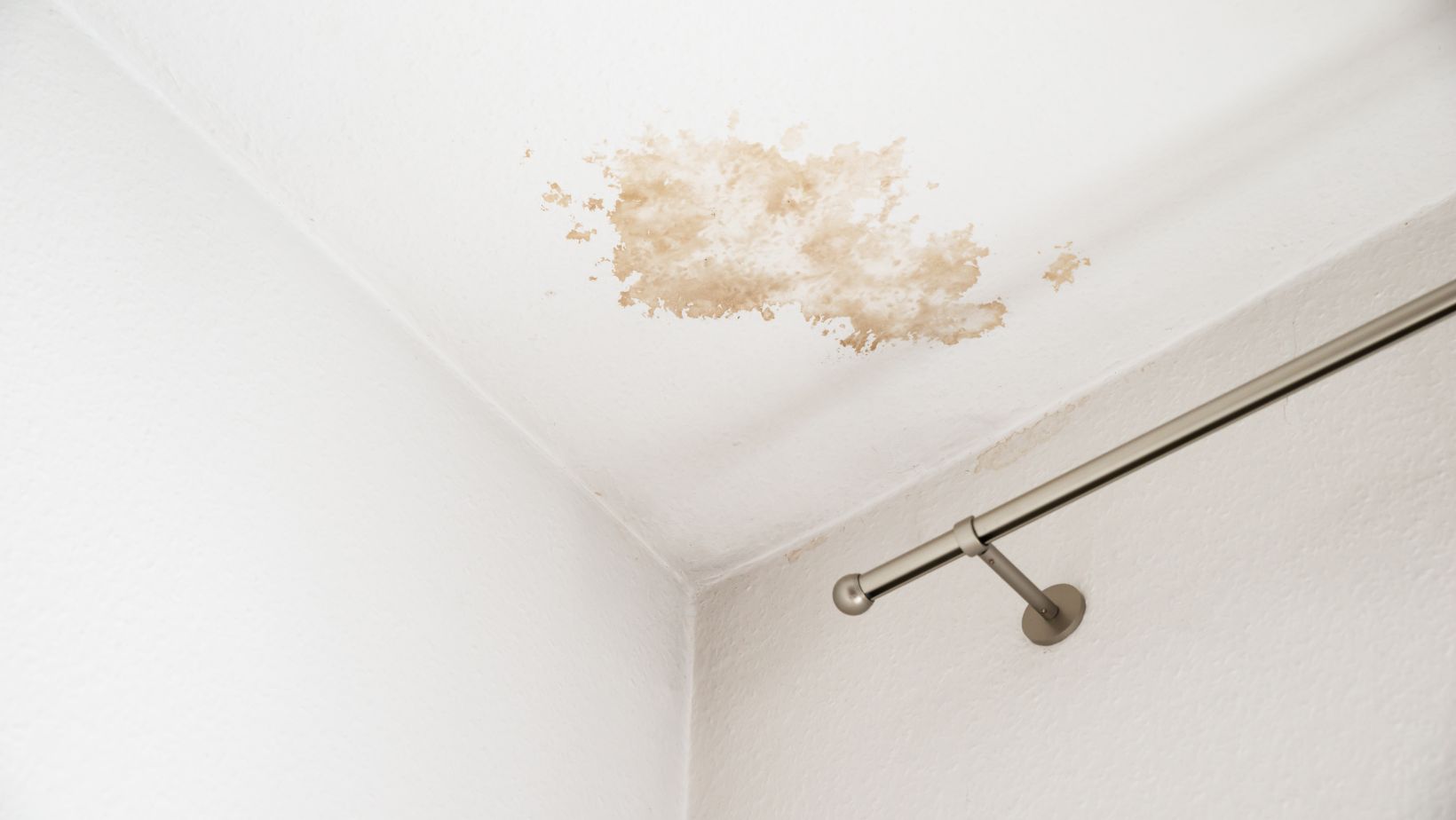
The roof is a primary source of water infiltration into your home when a few issues aren’t right especially during a storm. In areas prone to hail and high winds, Greenwood storm-damage roof specialists can assess hidden roof issues before leaks appear. Melting snow, flash floods, and heavy rainstorms can contribute to water infiltration into your home if your roof has gaps or loopholes that allow water penetration. More often, a leaking roof and an uninsulated attic are the leading causes of water damage through the roof.
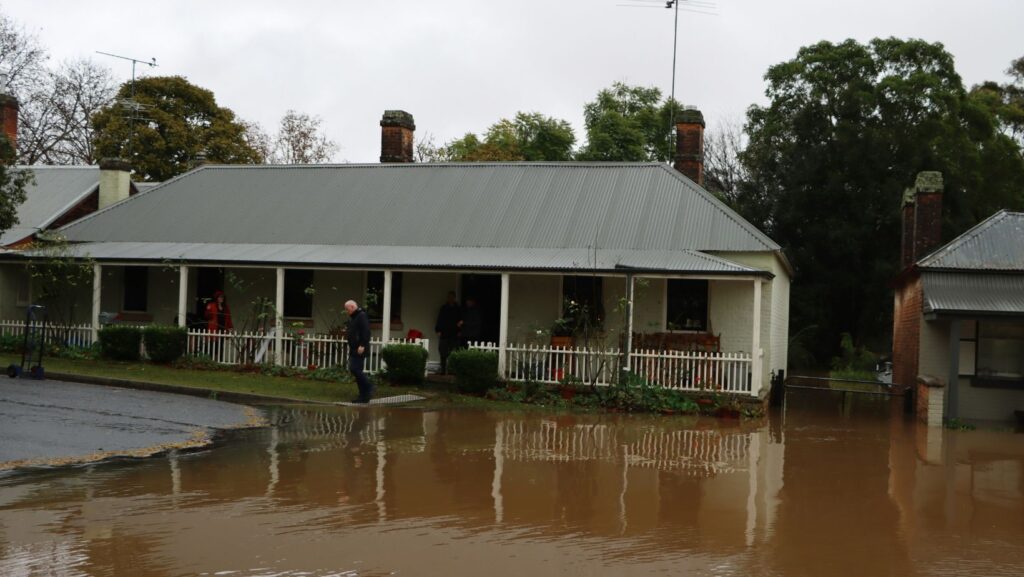
Water damage caused by a storm is also not limited to the roof alone. Other openings in your home, such as windows, doors, and the basement, can also allow water to enter your space during a storm. Check for rapid accumulation of water in your area, flood warnings in your area, and signs of water leaks in your attic.
You can prevent water damage during a storm in several ways, depending on the potential cause of the damage. For instance, you can install sandbags during a storm to redirect water from your home if floodwater arises. In the case of roof problems, you can replace any broken shingles and seal the attic to prevent water penetration.
Water damage can be both inconvenient and devastating. If you suspect water damage to your home, it is likely caused by leaking and broken pipes, malfunctioning appliances, or storm and roof issues. Whatever the cause, ensure you seek professional help as soon as possible for effective solutions.