A well-designed garden should do more than look attractive from the kitchen window. It should invite you outside, make everyday routines more pleasurable and give you reasons to stay there a little longer. A pergola can help achieve all three.
Unlike a fully enclosed garden room, a pergola creates structure without cutting you off from the outdoors. It offers shade, defines an area and can make an ordinary patio feel more intentional. Whether your garden is compact or expansive, the right design can improve how you use the space throughout the year.
Here are nine practical ways a pergola can make your garden more enjoyable.
1. Create a Dedicated Outdoor Living Area
Many gardens contain furniture, pots and paving, but lack a clear sense of purpose. A pergola can solve that by establishing a distinct outdoor room.
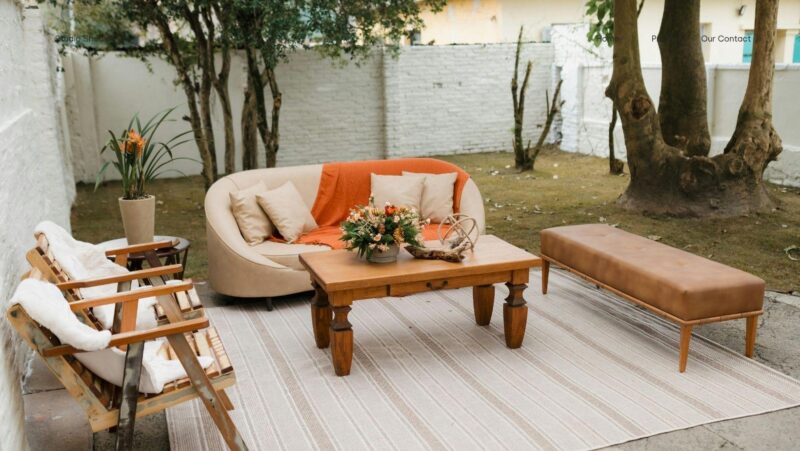
Place comfortable seating beneath it and the area immediately feels more considered. It might become a morning coffee spot, a reading corner or somewhere to unwind after work. Defining the space also helps the garden feel more organised, particularly when the house opens directly onto a lawn or patio.
Think of the pergola as an architectural frame. It gives an outdoor area the same sense of identity that walls and ceilings provide indoors, while keeping the setting open and connected to nature.
2. Enjoy More Shade on Sunny Days
A garden is not always comfortable in full sun. During the warmer months, intense sunlight can make patios and seating areas unpleasant, especially around midday. A pergola provides a practical way to introduce shade without losing the benefits of being outdoors.
The amount of shade depends on the roof design, orientation and any additional coverings. Slatted roofs allow some sunlight through, while retractable canopies or adjustable louvres offer greater control. Positioning matters too: consider where the sun travels during the hours you are most likely to use the garden.
This flexibility means you can enjoy outdoor meals and conversations without constantly moving chairs to chase shade.
3. Make Outdoor Dining More Comfortable
Eating outside is one of the simplest pleasures of having a garden, but wind, glare and sudden showers can quickly disrupt a meal. A pergola helps create a more sheltered dining environment.
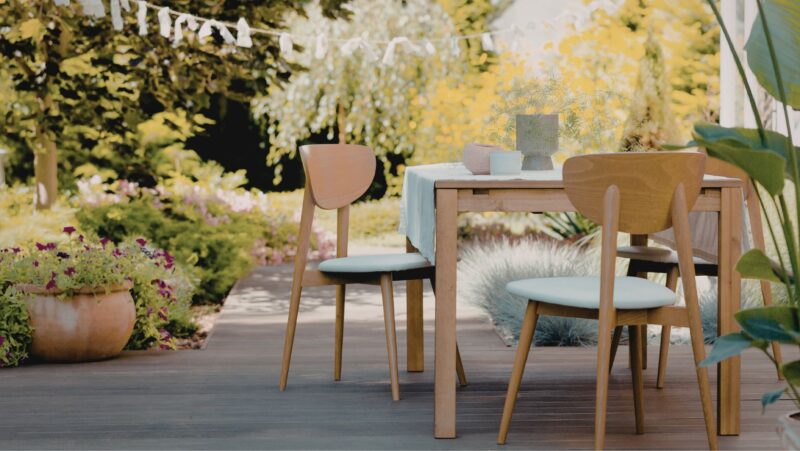
Add a table, weather-resistant chairs and suitable lighting, and you have an outdoor dining area that feels separate from the rest of the garden. Side screens, curtains or climbing plants can provide additional protection while maintaining ventilation.
It is worth considering the practical details early. Leave enough room to move chairs back comfortably, and avoid placing the structure where smoke from a barbecue will drift towards the house or neighbouring properties.
4. Extend the Garden’s Use into the Evening
A pergola can make the garden feel welcoming long after daylight fades. Integrated or carefully positioned lighting adds atmosphere while improving safety around steps, paths and furniture.
Warm, low-level illumination generally works better than a single bright spotlight. String lights, wall-mounted fittings and discreet downlights can highlight the structure without making the garden feel overlit. If possible, use separate controls so you can adjust lighting for dining, entertaining or quiet evenings.
For cooler nights, an outdoor heater or fire pit may extend the season further. Always check safety clearances and local guidance, particularly when combining heating with fabric coverings or enclosed sides.
5. Add Privacy Without Building a Wall
Gardens overlooked by neighbouring properties can be difficult to enjoy, especially in densely built-up areas. A pergola offers a way to improve privacy without creating a heavy boundary or blocking every view.
Lattice panels, slatted screens and carefully trained climbers can shield seating from nearby windows while preserving airflow and natural light. The goal is not necessarily complete seclusion. Often, screening one side or creating a visual canopy overhead is enough to make the space feel more private.
Before installing anything, observe where sightlines come from at different times of day. A small adjustment in position can make a significant difference.
6. Support Climbing Plants and Seasonal Colour
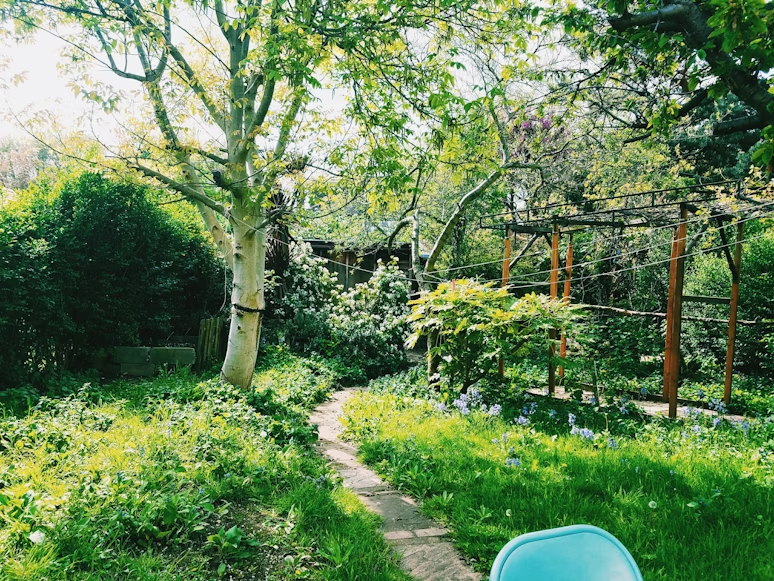
Pergolas are natural supports for climbing plants, making them useful as well as decorative. Roses, honeysuckle, clematis, grapevines and jasmine can soften strong lines and introduce colour, texture and fragrance.
Plant choice should reflect the site. Some climbers need full sun, while others tolerate partial shade. Consider mature growth, pruning requirements and whether the plant is evergreen. A deciduous climber may provide welcome summer cover but allow more winter light into the garden.
Use strong, suitable supports and give plants room to establish. A pergola should enhance planting rather than be overwhelmed by it.
7. Improve the Garden’s Overall Layout
A pergola can act as a visual anchor, helping connect different parts of a garden. This is particularly helpful in long, narrow plots or spaces that currently feel like a collection of unrelated areas.
Use the structure to mark a transition between lawn and patio, frame a view or draw attention towards a focal point such as a pond or planted border. Repeating materials nearby—through paving, fencing or raised beds—can make the whole design feel more cohesive.
For inspiration, it is useful to compare different proportions, materials and roof styles. Looking at examples of luxury garden pergola structures can help clarify which features might suit your own garden, although the best choice will always depend on the site and how you intend to use it.
8. Provide Some Protection from Light Rain
A pergola will not necessarily turn a garden into an all-weather room, but a suitable roof or canopy can protect against light rain and passing showers. That can be enough to prevent an outdoor breakfast or evening gathering from ending abruptly.
If weather protection is important, examine drainage, roof coverage and the performance of any fabric components. Water should be directed away from seating and walking routes rather than allowed to collect at the edges.
Ventilation remains important. A structure that offers shelter while allowing air to circulate will generally feel more comfortable than one that is fully enclosed without proper planning.
9. Encourage More Time Outdoors
Perhaps the greatest benefit is behavioural. When a garden contains a comfortable, attractive destination, you are more likely to use it.
A pergola can encourage you to eat outside, read in fresh air, entertain friends or simply take a break from screens. It creates a gentle transition between indoor and outdoor living, which is especially valuable when working from home or spending more time indoors.
The most successful designs are not necessarily the largest or most elaborate. They are the ones that respond to the household’s routines, the garden’s conditions and the local climate.
Make the Structure Work for Your Garden
Before choosing a pergola, assess the available space, sunlight, drainage and views from the house. Think about how many people will use it, whether you need shade or rain protection, and how much maintenance you are prepared to undertake.
A pergola should feel like a natural extension of the garden rather than an object placed in it. With thoughtful positioning and a clear purpose, it can add comfort, character and flexibility—turning outdoor space into somewhere you genuinely want to spend time.