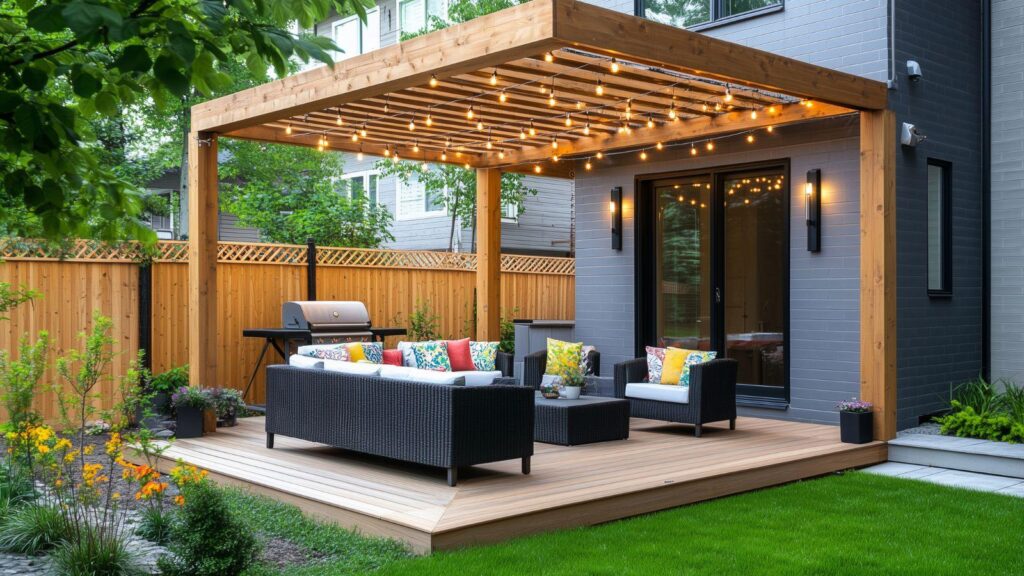
Building a backyard deck can completely change how a home’s outdoor space is used, creating an area for dining, entertaining, relaxing, and spending time with family. However, deck construction involves much more than simply laying boards over a frame. From preparing the site to cutting lumber and moving materials, proper planning and jobsite awareness matter. For larger DIY projects where several people are working together, reflective hi vis vests can also help make workers easier to spot around vehicles, equipment, deliveries, and active work areas.
Start With a Clear Deck Plan
Before purchasing timber or breaking ground, decide exactly what you want the finished deck to achieve.
Consider questions such as:
- How large should the deck be?
- Will it be attached to the house?
- Will it include stairs?
- Do you need railings?
- Will you eventually add an outdoor kitchen?
- How much furniture needs to fit comfortably?
Planning these details early can prevent expensive changes halfway through construction.
Check Local Building Requirements
Decks may require permits depending on their size, height, location, and local building regulations.
Before construction begins, check requirements relating to:
- Footing depth
- Structural supports
- Railings
- Stairs
- Property boundaries
- Connections to the house
For structural work you’re uncertain about, consulting a qualified contractor or building professional can be worthwhile.
Choose the Right Decking Material
The material you select will influence appearance, maintenance, cost, and longevity.
Popular options include:
Pressure-Treated Lumber
Pressure-treated wood is widely used because it is relatively affordable and readily available.
It does, however, require ongoing maintenance to maintain its appearance and protect it from weather exposure.
Composite Decking
Composite materials generally require less maintenance and are available in numerous colours and finishes.
The initial cost can be higher, but some homeowners prefer the reduced maintenance requirements.
Cedar and Other Natural Woods
Natural timber can create a beautiful finish but may require regular staining or sealing depending on the material and climate.
Prepare the Ground Properly
Good deck construction starts underneath the visible surface.
The site may need to be cleared of:
- Plants
- Rocks
- Old paving
- Uneven soil
- Construction debris
Proper drainage should also be considered so water doesn’t collect beneath the structure.
Build a Strong Foundation
The foundation supports everything above it, making this one of the most important stages of the project.
Footings and posts must be positioned correctly before the framing is constructed.
Accuracy matters here. Small mistakes in measurements can become much larger problems when you begin installing joists and decking boards.
Take time to repeatedly check:
- Measurements
- Levels
- Spacing
- Alignment
Keep the Work Area Organized
Deck projects involve timber, screws, power tools, offcuts, ladders, and other materials.
An untidy workspace can quickly become difficult to navigate.
Create designated areas for:
- New lumber
- Tools
- Waste materials
- Hardware
- Equipment
Remove scraps and unnecessary materials regularly rather than allowing them to accumulate.
Think About the Finished Outdoor Space
Don’t only think about the structure itself.
Consider how the deck will eventually be used.
You may want to incorporate:
- Outdoor lighting
- Built-in seating
- Planters
- Dining furniture
- Shade
- Storage
- A barbecue area
Planning these elements early can influence the deck’s size and layout.
Add the Finishing Details
Once the main construction is complete, smaller details can dramatically improve the finished appearance.
Depending on your design, these might include:
- Decorative railings
- Stair lighting
- Planter boxes
- Privacy screens
- Coordinated outdoor furniture
These elements help transform a construction project into an inviting extension of the home.
Final Thoughts
Building a deck is a substantial DIY project, but careful planning can make the process much more manageable. Start with a detailed design, understand local requirements, choose appropriate materials, and take extra care when constructing the foundation and frame.
A well-built deck doesn’t simply improve a backyard. It creates an outdoor living space that can become one of the most frequently used areas of the home.