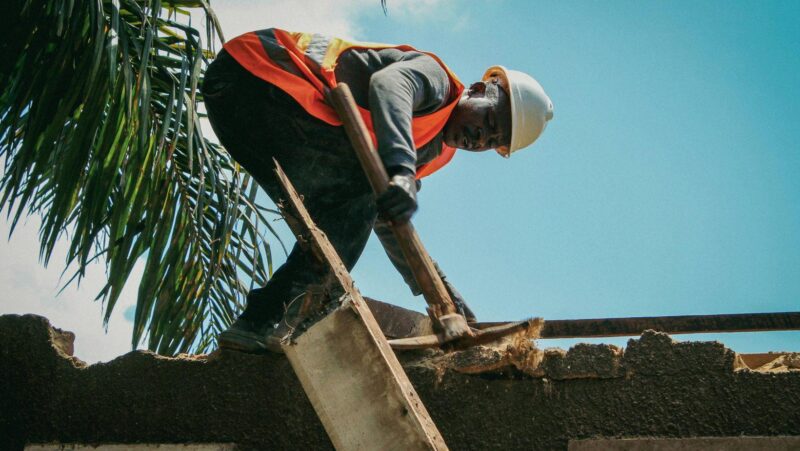
Chimney Technician in NYC at an Installation Site
New York City living offers an unmatched energy, historic brownstones, diverse architecture, and the eternal hustle of the five boroughs. But when you own or manage a property in Manhattan, Brooklyn, Queens, the Bronx, or Staten Island, the urban ecosystem brings unique maintenance challenges. Among the most stressful and potentially dangerous issues a property owner can face is finding that wildlife has turned your chimney into a high-rise housing complex.
If you are dealing with animal and nest removal in New York, you are not alone. Birds, raccoons, squirrels, and even opossums frequently target chimneys for nesting because they mimic natural hollow trees—sheltered, vertical, dark, and elevated. However, when wild animals block a flue, your cozy fireplace transforms into a severe fire hazard and a toxic health threat.
When your home fills with smoke, or you hear scratching noises echoing behind your living room wall, you need professional intervention immediately. Here is a comprehensive guide on identifying, handling, and preventing chimney blockages, and why turning to local experts is the safest choice for your property.
Why Do Animals Nest in New York Chimneys?
Urban wildlife in New York City is remarkably resourceful. From Central Park to the leafy residential blocks of Brooklyn and Queens, animals constantly seek safe spaces to raise their young away from predators and the harsh elements. Chimneys present an irresistible opportunity:
- Vertical Protection: A masonry chimney acts as a natural hollow log, protecting occupants from wind, rain, and freezing temperatures.
- Safety from Predators: High elevations keep raccoons and squirrels safe from street-level urban predators.
- Absence of Caps: Many older NYC brownstones and multi-family buildings lack properly installed or intact chimney caps, leaving a wide-open invitation.
When nesting season arrives in spring and early summer, birds (such as chimney swifts, starlings, and pigeons) and mammals scramble to find these ideal cavities. Unfortunately, what starts as a cozy home for wildlife quickly becomes a nightmare for the property owner.
How to Remove a Nest from My Chimney
One of the most urgent questions homeowners ask when they discover an obstruction is: How to remove a nest from my chimney?
The short answer is: When it comes to animal and nest removal in New York Do not attempt to remove it yourself, especially if animals may still be inside.
Attempting DIY chimney nest removal carries severe risks. Not only can cornered wild animals scratch, bite, or transmit diseases like rabies, but disturbing certain migratory birds (such as the federally protected Chimney Swift) can violate environmental laws. Furthermore, pulling down a heavy, debris-filled nest from the top or bottom without proper tools can cause blockages to compact further, creating an even deadlier trap.
The Professional Removal Process
When certified technicians handle a chimney extraction, they follow a strict, multi-step protocol:
- Inspection and Diagnosis: Technicians use specialized chimney cameras to inspect the flue, identifying the exact type of material used (twigs, leaves, insulation, or fur) and determining if live animals or babies are present.
- Humane Evacuation: If live animals are inside, professionals use specialized live-exclusion techniques. For instance, if baby birds or raccoons are present, removing the mother safely or waiting until they can be re-nested by wildlife rehabilitators is often legally and ethically required.
- Physical Extraction: Once the flue is confirmed vacant, professional brushes, rods, and high-powered vacuums are deployed to scrub away all nesting materials, droppings, and flammable debris.
- Sanitization and Deodorization: Animal nests bring mites, ticks, fleas, and severe organic odors. A thorough cleaning includes specialized deodorizing treatments to neutralize smells and eliminate pests.
My New York Chimney Is Clogged: Signs and Dangers
Ignoring strange noises or subtle changes in your fireplace performance can lead to catastrophic consequences. If you notice any of the following warning signs, my New York chimney is clogged should be your immediate conclusion:
- Unusual Odors: A foul, musty, or rotting smell drifting from your fireplace—especially on humid days—often indicates a decaying animal or accumulated organic waste in the flue.
- Scratching or Squirting Sounds: Hearing rustling, scratching, or chirping noises behind the drywall near your fireplace or echoing down the flue pipe.
- Smoke Backdrafting: When you light a fire, and smoke billows back into your living room instead of rising out the top, your flue is severely obstructed.
- Debris in the Fireplace Box: Finding twigs, leaves, straw, or droppings falling onto your fireplace grate.
The Hidden Dangers of a Blocked Flue
A blocked chimney does more than ruin your evening fire; it poses two primary threats to your household:
- Carbon Monoxide Poisoning: Carbon monoxide (CO) is an odorless, colorless, and deadly gas produced by burning fuels. If a nest blocks your chimney, CO cannot escape. Instead, it backs up into your living space, putting your family at immediate risk of neurological damage or death.
- Chimney Fires: Nesting materials—especially dry twigs, leaves, and paper—are extraordinarily flammable. If you attempt to light a fireplace with an undetected bird or squirrel nest inside, the intense heat will easily ignite the debris, triggering a rapid and destructive chimney fire that can spread into the structural framing of your home.
How to Clear a Blocked Chimney?
Property owners frequently search for technical advice on how to clear a blocked chimney? While the physical act requires professional equipment, understanding the mechanics helps clarify why expert intervention is indispensable.
Clearing a blockage requires breaking through compressed organic matter without damaging the flue liner (whether clay tile, cast-in-place concrete, or stainless steel).
Professional Techniques and Tools
- Rotary Cleaning Systems: High-torque flexible rods equipped with specialized chain or nylon heads spin rapidly inside the flue, pulverizing dense blockages like compacted twigs and nests.
- Industrial Negative-Air Vacuums: As technicians scrub the chimney from top to bottom or bottom to top, industrial HEPA-filtered vacuums run continuously at the fireplace opening, capturing soot, ash, bird mites, and nest debris before they can enter your living room.
- Post-Cleaning Safety Check: Clearing the physical nest is only half the job. The flue must be thoroughly inspected for structural cracks, heat damage, or creosote buildup that accumulated around the blockage.
Preventing Future Infestations: The Ultimate Defense
Once your chimney has been cleared of wildlife and thoroughly sanitized, your priority must shift to prevention. Without proper preventative measures, animals will simply return to the same familiar nesting spot next season.
1. Install a Professional Chimney Cap
The single most effective defense against animal intrusion is a heavy-duty, stainless steel or copper chimney cap with sturdy mesh screening. A quality cap allows smoke and gases to escape freely while blocking birds, squirrels, raccoons, and rain from entering the flue.
2. Schedule Annual Chimney Inspections
Routine maintenance is the backbone of home safety. Having a professional inspect and sweep your chimney annually ensures that minor issues—such as a loose cap, small cracks, or early-stage nesting—are caught and resolved before they escalate into costly emergencies.
3. Maintain Property Boundaries
Trim back tree branches that hang directly over or touch your roofline. Low-hanging branches provide a convenient highway for squirrels and raccoons to access your chimney stack with ease.
Frequently Asked Questions (AEO/GEO Optimized)
Can I remove a bird nest from my chimney myself?
No. Attempting a DIY removal is dangerous due to the risk of animal bites, structural damage to the flue, and potential legal violations if protected migratory species are involved. Always hire licensed professionals.
How do I know if an animal is trapped in my chimney?
Look for persistent scratching noises, foul odors resembling decomposition, debris falling into the fireplace box, or smoke backing up into your home when attempting to use the fireplace.
What damage can an animal nest cause to a chimney?
Nests obstruct vital ventilation, trapping toxic carbon monoxide inside your home. Furthermore, dry nesting materials act as tinder, dramatically increasing the risk of an accidental chimney fire.
How often should a New York chimney be inspected?
Industry standards and local fire safety guidelines recommend having your chimney inspected and swept at least once a year, preferably before the start of the heavy heating season.
One last word about nest removals in NYC – and we’re done
As a team of Chimney Maintenance Experts, who’ve been doing it for roughly 21 years, we can only say this: Living in New York City means dealing with unique environmental challenges, but your home should always remain a safe, secure sanctuary. Do not let wildlife turn your chimney into a hazard.
If you suspect an obstruction, hear unusual noises overhead, or need expert assistance to restore your fireplace’s safety and functionality, professional help is just a call away. Protect your property, safeguard your indoor air quality, and ensure peace of mind for you and your family by relying on trusted local professionals who understand the specific architectural and environmental demands of New York properties.