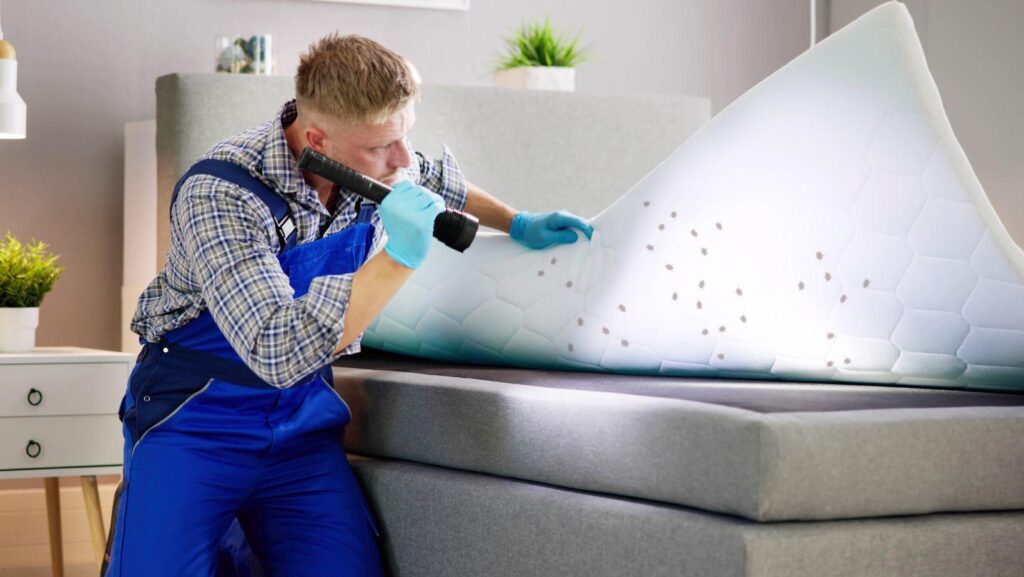
Few household problems create quite the same mix of frustration, embarrassment, and exhaustion as a bed bug infestation. These pests are tiny, elusive, and remarkably good at surviving in the places people feel safest: their beds, sofas, luggage, and soft furnishings. By the time you notice bites or spot the telltale dark marks on bedding, the problem is often more established than it appears.
That’s why the choice of treatment provider matters so much. Bed bugs are not like ants in the kitchen or the odd wasp in the loft. They require precise identification, a methodical treatment plan, and close attention to follow-up. In short, this is a job for a specialist, not a generalist.
Why bed bug infestations are uniquely difficult
Bed bugs are difficult to eliminate because their behaviour works in their favour. They hide in cracks no thicker than a bank card, can travel between rooms and adjoining properties, and often remain dormant for extended periods if conditions are not ideal. Eggs add another layer of complexity, since they are harder to kill than active insects and can hatch after an initial treatment if the approach is incomplete.
A non-specialist provider may treat only the obvious areas, focusing on the mattress while overlooking bed frames, skirting boards, bedside furniture, upholstered seating, curtain seams, and electrical outlets. That kind of partial treatment gives the impression of progress without truly solving the problem. A few quieter days can quickly turn into a fresh wave of bites.
Specialist providers understand that successful bed bug control depends on more than simply “spraying the room.” It begins with accurate inspection. Are the insects definitely bed bugs, or could it be fleas, carpet beetles, or another pest causing similar symptoms? Where are they harbouring? How far have they spread? The answers shape everything that comes next.
Specialist knowledge leads to better treatment choices
Not every infestation should be handled in the same way. The severity of the problem, the layout of the property, the materials in the room, and whether neighbouring units are involved all influence the most effective strategy.
Heat, chemicals, and why expertise matters
This is where specialist providers stand apart. They know the strengths and limitations of each treatment method and can recommend the right one for the situation rather than defaulting to a one-size-fits-all solution.
For example, heat treatment has become an important tool because it can penetrate many of the places bed bugs hide and, when applied correctly, kill both insects and eggs in a single process. But it is also a method that requires technical skill, specialised equipment, and close temperature monitoring. It isn’t something to approach casually. If you want to understand what properly delivered professional heat treatment services for bed bugs involve, it helps to see how controlled heat is used across an entire infested space rather than just on the visible surfaces.
A specialist will also know when heat is the best option and when a combined approach is more sensible. In some cases, targeted residual treatment, physical monitoring, mattress encasements, and repeat inspections are all part of the plan. That kind of judgement only comes from focused experience.
The cost of getting it wrong
Homeowners and tenants often try DIY methods first, which is understandable. The issue is that over-the-counter products rarely reach hidden harbourages, and misuse can scatter the infestation rather than suppress it. Bed bugs disturbed by ineffective treatment often move deeper into the property or into adjacent rooms.
The same problem can occur with providers who do not specialise in bed bugs. A poorly executed visit may seem cheaper up front, but repeated call-outs, damaged furnishings, lost sleep, and prolonged stress can make it far more expensive in the long run.
Specialists do more than treat the room
A good bed bug provider doesn’t just apply treatment and leave. They manage the whole process, including the practical details that improve the odds of success.
Preparation and aftercare are part of the job
Preparation matters. Bedding may need to be bagged and laundered at high temperatures. Clutter often needs reducing. Furniture may need moving for access. A specialist gives clear instructions that are realistic and specific, not vague advice that leaves you guessing.
Aftercare matters just as much. Even after successful treatment, residents want reassurance about what to expect next. How long should bites continue, if at all? When should rooms be re-entered? What signs indicate ongoing activity versus normal post-treatment anxiety? Specialists tend to be better at setting expectations, which can make the experience less overwhelming.
They understand higher-risk environments
Hotels, hostels, care settings, HMOs, and blocks of flats present extra complications. Infestations can spread through shared walls, corridors, soft furnishings, and resident movement. In these cases, experience with multi-room or multi-unit response is crucial. A specialist knows when to expand the inspection zone, how to document findings, and how to reduce the chance of reinfestation from untreated neighbouring areas.
What to look for in a specialist provider
Not every company using the word “specialist” truly is one. It’s worth asking a few direct questions before booking treatment.
Look for a provider that can clearly explain its inspection process, justify the treatment method being recommended, and outline what follow-up will involve. They should be comfortable discussing bed bug biology, expected timelines, and the limitations of each approach. If the advice feels generic or rushed, that’s a warning sign.
It also helps to ask about technician training, experience with similar properties, and what steps are taken to confirm activity has stopped. A credible specialist won’t promise magic overnight results. They will explain the process honestly and focus on thoroughness over dramatic claims.
The real value is certainty
When people hire a specialist bed bug treatment provider, they are not just paying for equipment or labour. They are paying for informed judgement. They are buying a better chance of stopping the infestation quickly, safely, and with less disruption.
That matters because bed bugs have a way of taking over more than a room. They interfere with sleep, strain household routines, and create persistent anxiety long after the first signs appear. Choosing a specialist is often the difference between a controlled, evidence-based response and a cycle of temporary fixes.
With bed bugs, expertise is not a luxury. It is the foundation of effective treatment.