Owning a property with a septic system means taking care of more than just the plumbing inside your home. The health of your septic tank, drain field, landscaping, and water usage all work together to keep the system operating efficiently. With proper maintenance, a septic system can provide reliable service for 30 years or more while helping you avoid expensive repairs and environmental issues.
Whether you live on a rural acreage or a suburban lot with a private septic system, understanding how to maintain your property is essential for protecting your investment.
Know Where Your Septic System Is Located
One of the first steps in maintaining a septic property is knowing exactly where the septic tank, drain field, and access lids are located. Many homeowners only discover these components when something goes wrong.
Keeping a map of your system makes routine inspections, pumping appointments, and future landscaping projects much easier. It also helps prevent accidental damage from digging or construction.
Take Care of Your Landscaping
The way you landscape your yard can have a significant impact on your septic system.
Grass is generally the best ground cover over a drain field because it helps prevent erosion without interfering with underground pipes. Large trees and shrubs, however, should be planted well away from septic components since their roots naturally seek moisture and can infiltrate pipes.
Before planting new vegetation or installing hardscapes, always verify the location of your septic system to avoid costly mistakes.
Prevent Heavy Traffic Over the System
Your septic tank and drain field are buried underground, but that doesn’t mean they’re protected from surface pressure.
Avoid driving, parking, or storing heavy equipment over septic components. Excessive weight can compact the soil, crush pipes, or damage the tank itself. Even repeated traffic from RVs or trailers can shorten the lifespan of your system.
If contractors are working on your property, make sure they know where the septic system is located before bringing in machinery.
Manage Rainwater and Drainage
Excess water is one of the biggest threats to a healthy drain field. If gutters, downspouts, or landscape grading direct rainwater toward your septic area, the soil can become oversaturated and lose its ability to properly filter wastewater.
To reduce this risk:
- Extend downspouts away from the drain field.
- Maintain proper grading around your property.
- Avoid installing irrigation systems over septic components.
- Correct standing water issues as soon as they appear.
Keeping surface water away allows the drain field to perform efficiently year-round.
Practice Smart Water Use Inside the Home
Everything that goes down your drains eventually reaches the septic tank. Conserving water helps prevent unnecessary strain on the system and improves waste separation.
Simple habits include fixing leaks promptly, running appliances only when full, spreading laundry loads throughout the week, and limiting excessive water use during parties or family gatherings.
The less hydraulic stress placed on the system, the better it will perform.
Be Careful What Enters Your Septic System
A healthy septic system depends on naturally occurring bacteria that break down waste. Introducing inappropriate materials can disrupt that balance or create physical blockages.
Never flush or wash down:
- Cooking grease
- Wet wipes
- Feminine hygiene products
- Paper towels
- Coffee grounds
- Cat litter
- Harsh chemicals
- Paint or solvents
- Medications
Following these guidelines reduces the likelihood of clogs and extends the life of your septic components.
Schedule Regular Pumping and Inspections
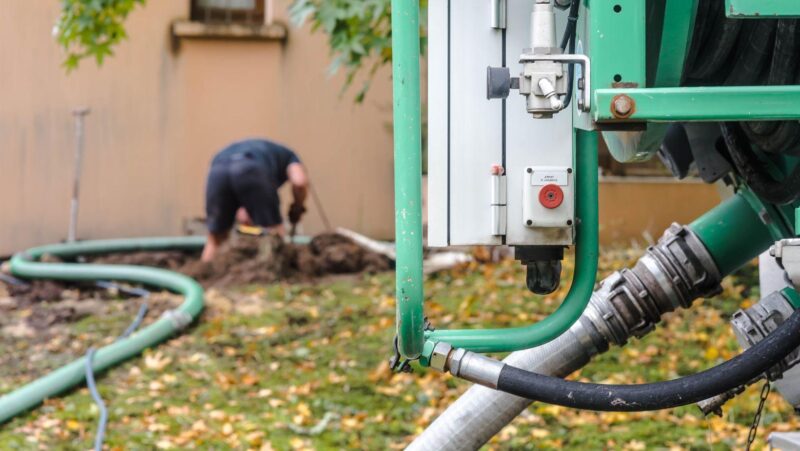
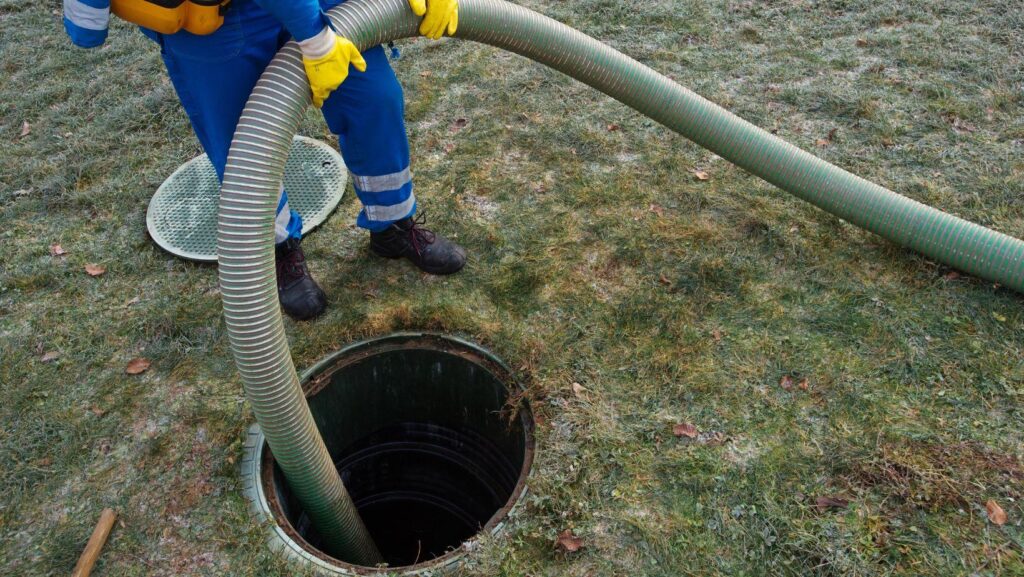
Even perfectly maintained septic systems require periodic pumping. Over time, sludge accumulates at the bottom of the tank and must be removed before it reaches the drain field.
Most residential tanks should be pumped every three to five years, although usage patterns and household size may change that schedule. Professional inspections during service visits can also identify worn baffles, leaks, or developing issues before they become major repairs.
Preventative maintenance is almost always less expensive than emergency restoration.
Pay Attention to Seasonal Changes
Each season presents unique challenges for septic properties.
During periods of heavy rain, avoid excessive water use if the ground is already saturated. In winter, leave grass or natural vegetation over the drain field to provide insulation and avoid driving across frozen ground where buried components could be vulnerable.
If your property experiences freezing temperatures, proper maintenance before winter arrives can reduce the risk of frozen pipes and backups.
Recognize Early Signs of Septic Trouble
Problems rarely happen without warning. Homeowners should watch for indicators that the system needs professional attention.
Common warning signs include:
- Slow drains throughout the house
- Frequent toilet backups
- Gurgling noises from plumbing fixtures
- Sewage odors around the property
- Wet or spongy areas near the drain field
- Exceptionally green patches of grass over septic components
Addressing these symptoms early can prevent extensive damage and higher repair costs.
Keep Accurate Maintenance Records
Maintaining a file with inspection reports, pumping dates, repair invoices, and system diagrams helps ensure nothing is overlooked. These records can also increase buyer confidence if you decide to sell your property in the future.
Having documented maintenance history demonstrates responsible ownership and can simplify future service appointments.
Partner With Septic Professionals You Can Trust
Maintaining a property on septic is about more than reacting when problems occur. Regular inspections, scheduled pumping, and expert guidance help keep your system operating efficiently while protecting your home and landscape.
At Drain Beast Septic and Plumbing Services, the plumbers Kent WA homeowners rely on, we provide comprehensive septic maintenance, inspections, pumping, repairs, and system evaluations designed to give homeowners peace of mind. Our experienced team helps identify potential issues early so you can avoid costly surprises and extend the life of your septic system.
Protect Your Property for the Long Term
Your septic system is one of the most valuable yet overlooked parts of your property. By caring for the land around it, using water responsibly, scheduling routine maintenance, and staying alert to warning signs, you can keep the entire system functioning reliably for decades.
A little preventative care today can save significant time, money, and frustration in the future while ensuring your property remains safe, healthy, and fully operational.