Kitchens don’t just sell homes. They whisper something to buyers the moment they step in. Not loudly, not dramatically. More like a quiet suggestion: this place is taken care of. The National Association of Realtors claims that even small kitchen renovations can recoup a substantial percentage of the investment at resale time, often in the range of 60 to 80 percent. That’s good news, but here’s the catch. The greatest return on investment is not always the gut job. Yet somehow, they change everything.
The psychology of almost new
Buyers rarely walk into a kitchen and calculate renovation costs line by line. What they actually do is quicker, more instinctive. They scan, they sense, they decide. A study by Zillow found that homes described as having an updated kitchen can sell for up to 5 percent more. Not a luxury kitchen. Not a designer kitchen. Just… updated. Full renovations can be impressive, sure. They can miss the mark, too. Tastes differ. Trends move fast. What feels perfect today can feel oddly specific tomorrow. Smaller upgrades behave differently.
- They reduce visible wear
- They suggest recent care
- They leave room for imagination
And that last point matters more than it seems. Buyers like a space that feels finished, but not final.
Surfaces that change the mood
Countertops that invite touch
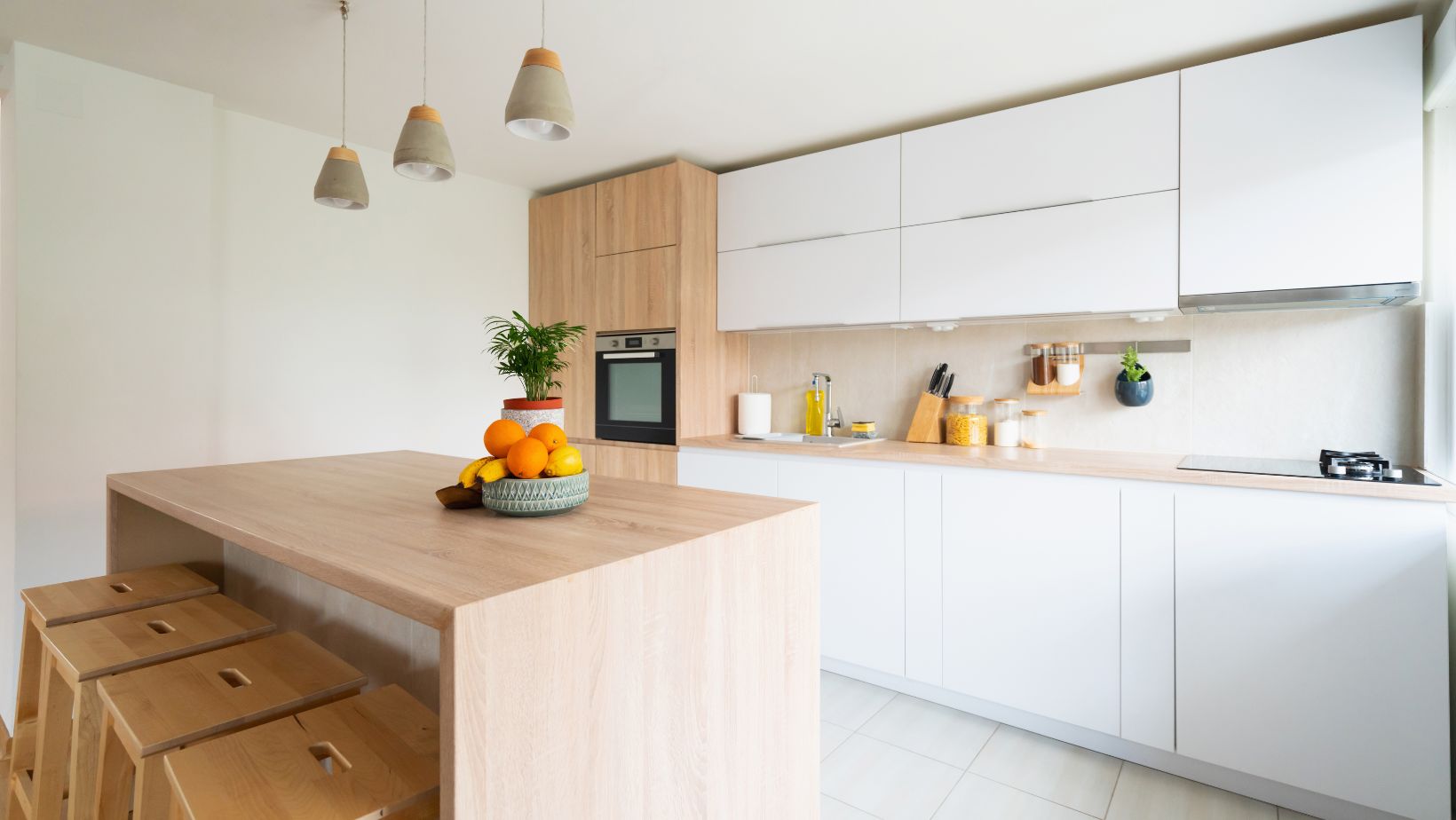
People don’t just look at countertops. They reach for them. Lean on them. Picture their morning coffee there without even realizing it. Natural textures tend to win this silent test. They feel approachable. Lived in, but in a good way. That’s partly why butcher block countertops keep appearing in trend reports. According to Houzz, there has been a significant increase in the use of wood and wood-like finishes, more than 20 percent in the last few years. Wood makes a kitchen warmer. It makes the space feel usable, not staged.
Cabinets that don’t try too hard
Replacing cabinets entirely can be expensive and, honestly, unnecessary in many cases. A fresh coat of paint often does more than expected. Soft neutrals work. Deep tones can work too if used carefully. The key is restraint. And then there’s hardware. Swap out old handles and suddenly the cabinets feel different. Not new exactly, but sharper, more intentional. Brushed brass feels warm. Matte black feels confident. Stainless steel feels clean and practical.
Lighting that edits reality
Lighting is less about visibility and more about atmosphere. The American Lighting Association highlights layered lighting as a major factor in how spaces are perceived. Three layers that actually matter:
- Ambient lighting sets the baseline
- Task lighting makes work areas functional
- Accent lighting adds character
Under-cabinet lighting, for example, is rarely the star of the show. Turn it on, and suddenly the kitchen feels more finished. More deliberate. And here’s a small twist. Warmer light often feels better than bright white. Not newer. Just more inviting.
Fixtures that quietly signal modern life
A good faucet is not about design alone anymore. Function plays a bigger role. According to Statista, more than 40 percent of homeowners want to improve the functionality of their kitchens. This includes items such as pull-down sprayers and automatic fittings. It is not flashy. Still, it suggests ease. Deeper sinks, cleaner lines, better integration. These items are not particularly glamorous, but they alter the function of the space. And if something is more functional, it is often more valuable even if it is not explicitly stated.
Storage that buyers test without thinking
Storage is one of those things people only notice when it is missing. Or when it works surprisingly well. Details that make a difference: pull-out shelves that glide smoothly, soft-close drawers that don’t slam. During viewings, buyers open things. They check. They slide the drawers back and forth. If everything feels effortless, that impression sticks.
Flooring that connects instead of competes
Bold flooring can be tempting. It can be distracting, too. The National Wood Flooring Association notes that consistent flooring across connected spaces often increases perceived value since it makes areas feel larger. What tends to work:
- Natural tones that don’t dominate
- Matte finishes that age gracefully
- Smooth transitions between rooms
Continuity does something subtle. It makes the home feel calmer.
Paint that does more than cover walls
Paint is the simplest upgrade and still one of the most effective. That part hasn’t changed. What has changed is how it’s used. Instead of one uniform color, small variations create depth. Slightly darker lower cabinets. A soft contrast on the island. A backsplash that adds just enough texture. Nothing dramatic. Just enough to keep the eye moving.
Appliances that agree with each other
Buyers do not always expect brand-new appliances. They do notice when things don’t match. Different finishes can make a kitchen feel pieced together. Cohesion matters more than age: matching materials across appliances. clean, well-maintained surfaces. simple, integrated designs. Even older appliances can feel acceptable if they look like they belong together.
The overlooked detail that changes everything
Backsplashes sit right at eye level. Strange how often they are ignored. Old patterns or worn grout can quietly date a kitchen. Updating this one element can shift the entire look. Subway tiles are still prevalent, but newer styles and textures are added for a little more interest without crowding the room. It is a small change. But it lands.
Conclusion
Not every kitchen needs a dramatic transformation. In fact, most don’t. What matters more is the accumulation of small signals. A smoother drawer. Better light. A surface that feels good under your hand. Individually, they seem minor. Together, they create a sense of care. And that sense is what buyers respond to, even if they cannot quite explain why. They just know. And more often than not, that quiet certainty turns into a stronger offer.