Ever wondered what is actually flowing through your air conditioner when it kicks on during a 95-degree summer day? The short answer is refrigerant, and its job is not to make cold air but to move heat out of your house.
Once you see how that heat transfer works, the whole HVAC system becomes a lot less mysterious.
Refrigerant Is a Heat Mover, Not a Cold Maker
A lot of people assume refrigerants create ‘cold’. In reality, it absorbs heat from the air inside your home and carries it outdoors, leaving cooler air behind. According to the U.S. Department of Energy, residential air conditioners work by transferring heat rather than generating cold air.
That detail matters to you because every degree of comfort depends on that heat transfer happening efficiently. If the refrigerant cannot absorb or release heat properly, your home will feel warmer and your system will work harder.
How the Refrigeration Cycle Actually Works
Inside your system, refrigerant circulates through a closed loop of coils. In the indoor coil, it evaporates into a vapor as it absorbs heat from your home’s air. Outside, it condenses back into a liquid and releases that heat into the outdoor air.
This phase change is the secret. The refrigerant can boil at very low temperatures, which allows it to pull heat from indoor air even when your house feels cool.
Technicians also measure superheat and subcooling to fine-tune the system. Superheat confirms the refrigerant has fully evaporated before reaching the compressor, while subcooling ensures it is fully condensed before cycling back indoors. When those readings are off, comfort and efficiency drop quickly.
Why Proper Training Matters In HVAC Systems
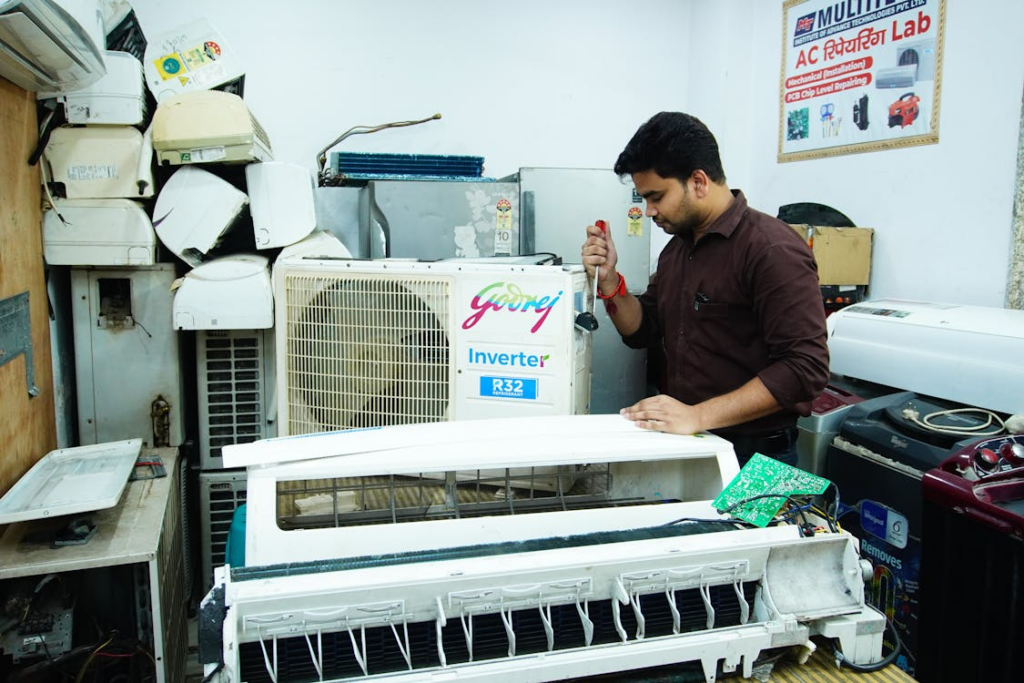
Refrigerant is not just a fluid you top off like windshield washer fluid. It operates under pressure, responds to temperature changes, and interacts with electrical components throughout the system. Diagnosing issues requires understanding electricity, airflow, pressure, and thermodynamics together.
That is why many aspiring technicians explore structured education like the refrigeration technologies track at Tulsa Welding School, where a hands-on HVAC training program introduces students to:
- Electrical fundamentals
- Refrigeration cycles
- Real world troubleshooting
- And more!
Learning how refrigerant behaves inside a system builds the foundation for safe and accurate service work. For homeowners, this also explains why certified technicians are essential. Handling refrigerant improperly can damage equipment and violate federal regulations.
New Refrigerant Trends and 2026 Changes
Refrigerants are changing. In 2024, the EPA finalized new rules to accelerate the phasedown of high global warming potential refrigerants, pushing the industry toward lower impact alternatives in new residential systems.
This affects you in practical ways.
As older refrigerants are phased down, prices for legacy options may rise, and newer blends will become standard in equipment sold through 2026 and beyond. If you are replacing a system soon, the type of refrigerant inside it will likely be different from what was common just a few years ago.
Understanding that shift helps you ask smarter questions during installation or major repairs.
What Happens When Refrigerant Leaks
Refrigerant stays in a sealed system, so it does not get “used up.” If levels are low, there is almost always a leak. Even a small leak can reduce efficiency and strain major components, and this reinforces why preventive maintenance is crucial.
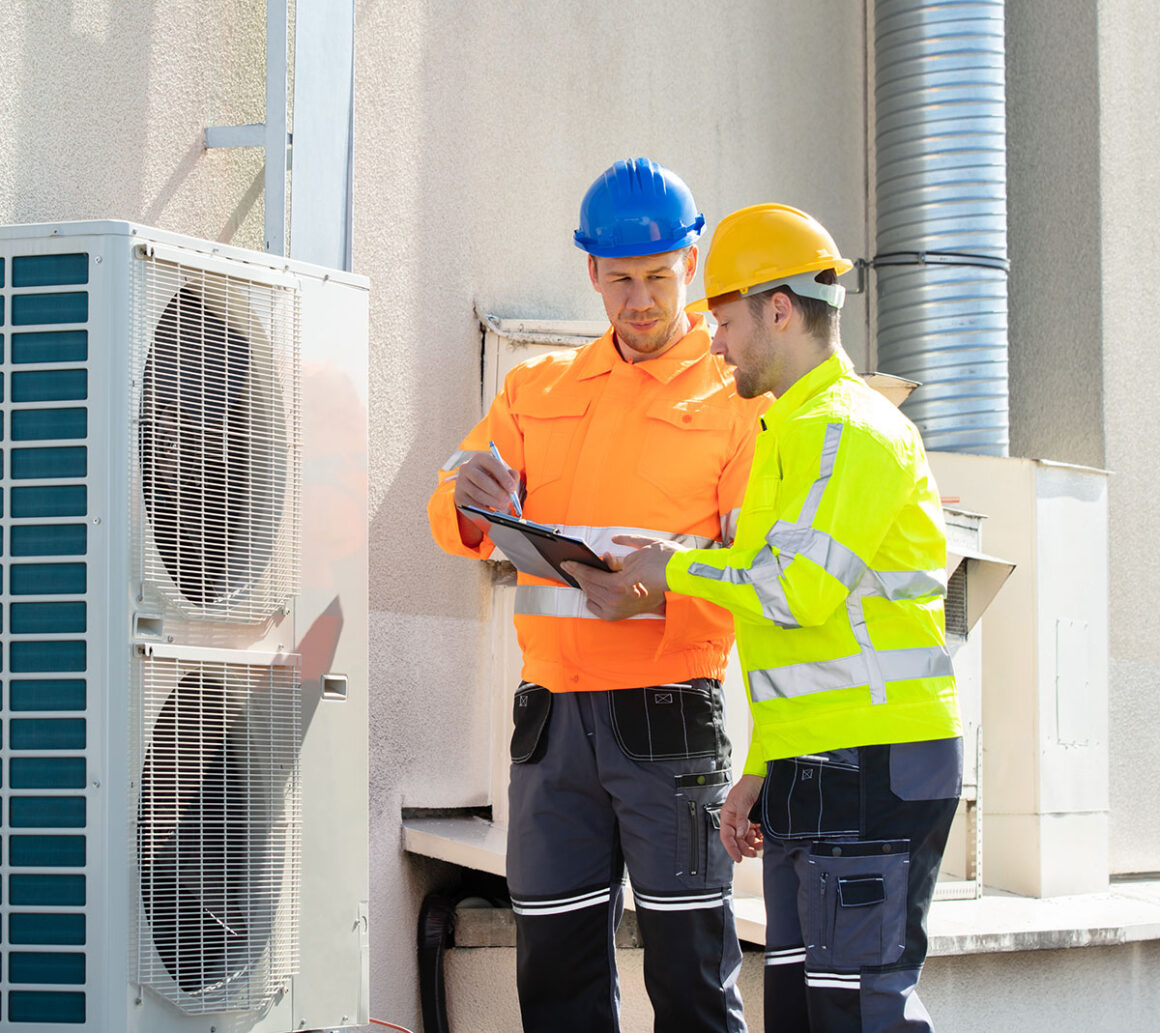
Signs & risks homeowners should know:
- Rising energy bills without increased usage
- Longer cooling cycles and uneven temperatures
- Potential compressor damage from low charge
Leaks also carry environmental concerns, which is one reason federal regulations require certified handling and recovery. If you suspect a refrigerant issue, it is best to call a trained professional rather than waiting for the problem to grow.
Why Understanding Refrigerant Makes You a Smarter Homeowner
Refrigerant is the quiet workhorse behind your comfort. It moves heat, changes state, and keeps your home livable in extreme weather.
If you want to understand these systems on a deeper level or are considering a career path, explore training options from Tulsa Welding School or connect with a qualified HVAC professional to keep your system running at its best.