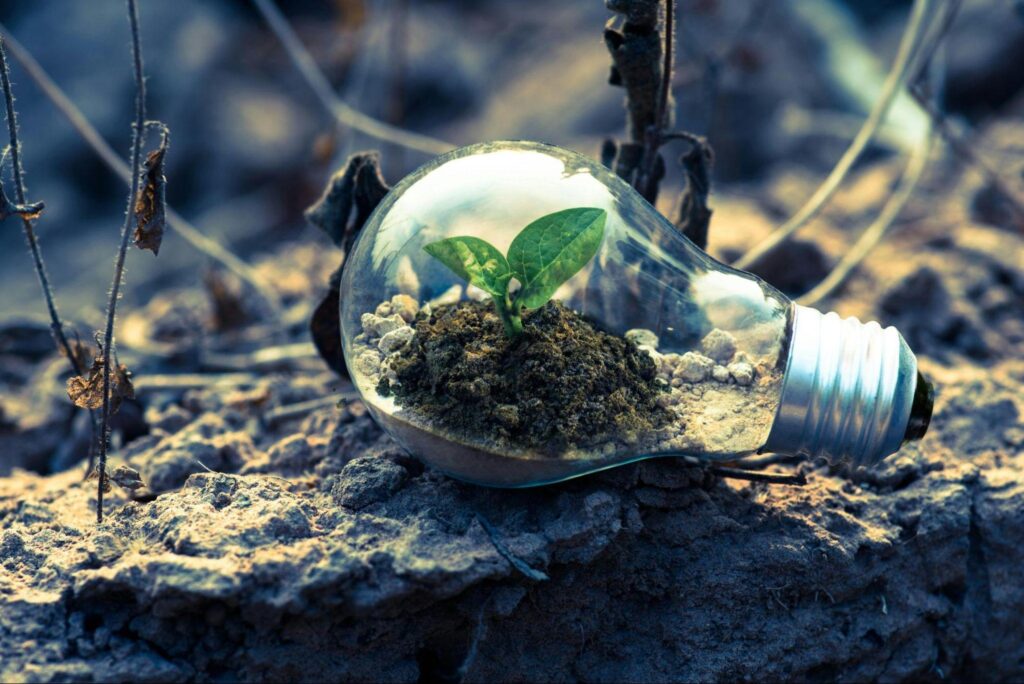
A sustainable future depends on how land, buildings, and resources are managed today. Housing, agriculture, and commercial spaces all influence energy use, water demand, and emissions. When these elements are handled with care, they support long term stability for people and the environment. Research from the Intergovernmental Panel on Climate Change IPCC (2023) shows that sustainable building practices reduce greenhouse gas emissions and help slow climate change. This makes sustainability a practical topic for property care and development.
Sustainability as part of everyday decisions
Sustainability is not limited to large projects or new technology. It is found in daily choices such as material use, layout planning, and maintenance routines. Buildings designed for long term use need fewer repairs and less energy. According to the International Energy Agency IEA (2023), well insulated buildings can reduce energy consumption by up to thirty percent. This lowers energy demand and creates more predictable costs for owners and users. For clients like VB, this approach supports steady property performance over time.
Energy use and responsible planning
Energy consumption remains one of the largest sources of emissions worldwide. Cleaner energy choices help limit environmental impact and improve air quality. The World Health Organization WHO (2024) reports that reduced emissions contribute to healthier living conditions in both cities and rural areas. Buildings that rely on renewable sources such as solar or heat based systems place less pressure on energy networks. This leads to more stable supply during peak periods and changing weather conditions.
Land management and environmental balance
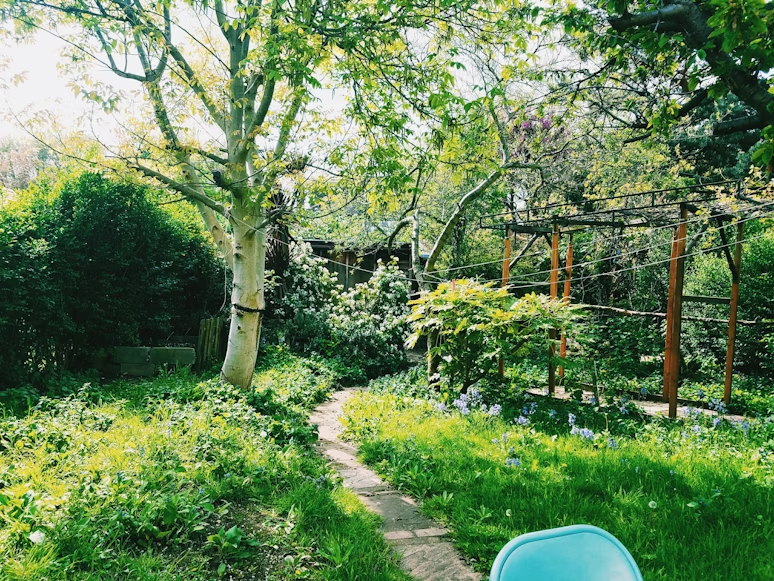
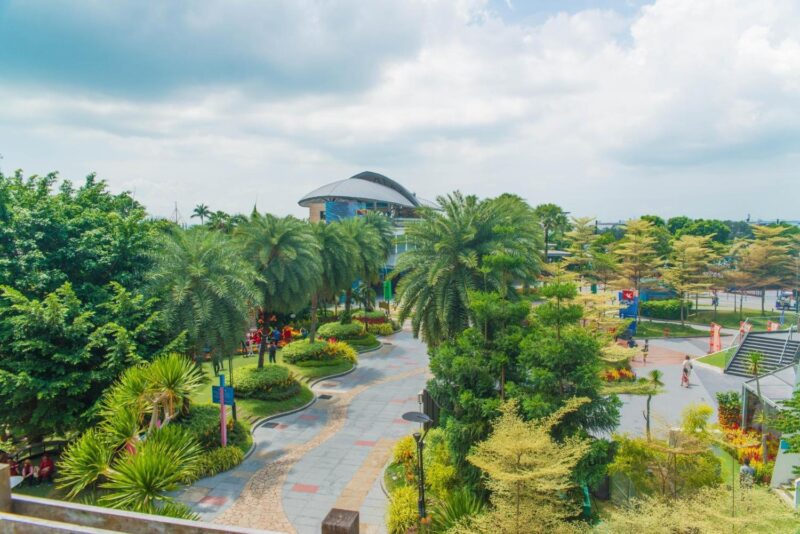
The land surrounding a building plays a major role in sustainability. Soil quality, water absorption, and vegetation affect local ecosystems. Research from the Food and Agriculture Organization FAO (2023) shows that healthy soil improves water retention and reduces flood risks. Green areas around properties also support biodiversity and create more balanced microclimates. This approach aligns with modern agricultural and greenhouse developments where efficient land use is key.
Sustainable food production and greenhouse projects
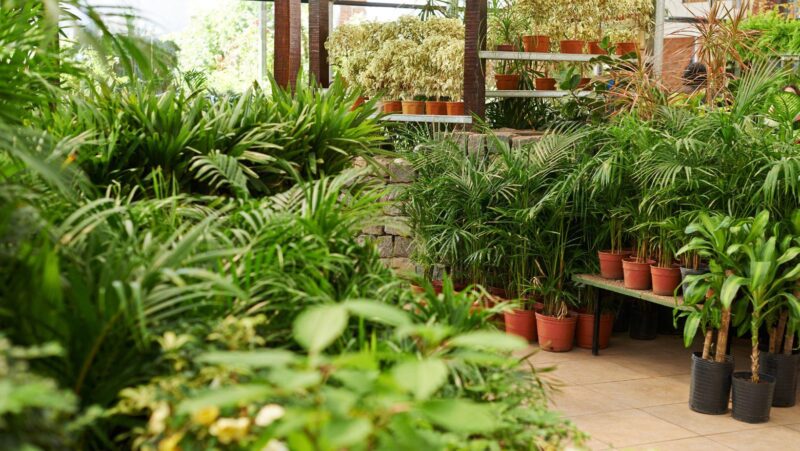
Food systems are closely linked to sustainability goals. Controlled growing environments allow for precise use of water, energy, and space. Studies by the United Nations Environment Programme UNEP (2024) indicate that modern greenhouses can significantly reduce water use compared to traditional farming. Projects that include the turn key greenhouse construction allow all systems to be planned together from the start. This reduces material waste and improves operational clarity. VB applies this method to support clear planning and reliable outcomes.
Heating solutions for stable growing conditions
Heating is a major factor in both building comfort and food production. Clean heating methods support lower emissions and predictable energy use. Research from the International Renewable Energy Agency IRENA (2024) shows that geothermal greenhouse systems provide stable heat with minimal environmental impact. These systems draw natural warmth from deep underground and function independently of weather changes. This makes them suitable for year round use in controlled environments.
Adapting to climate changes
Weather patterns are becoming less predictable, and buildings must be prepared for these shifts. The National Oceanic and Atmospheric Administration NOAA (2024) reports an increase in extreme rainfall and temperature variations worldwide. Properties designed with climate awareness experience fewer disruptions. Measures such as improved drainage, ventilation, and moisture resistant materials support long term safety and usability.
Shared responsibility and future readiness
A sustainable future relies on informed choices made by people across all stages of development and use. Clear information helps property owners and users understand the impact of their actions. According to the United Nations Sustainable Development Goals Report (2023), cooperation between planners, builders, and users leads to stronger environmental results. VB values this shared responsibility and supports open communication across projects.
Sustainability grows through consistent, well considered actions. Thoughtful property care, responsible energy use, and smart land management support a future where buildings and environments remain balanced. Ongoing research from international organizations continues to guide these choices and shows that careful planning today shapes a healthier tomorrow.