New colors, updated kitchens, fresh floors, or stylish bathrooms can completely change the look and feel of your space. But keeping your home looking and functioning its best doesn’t stop once the work is done. Seasonal maintenance is just as important as the remodel itself. Small tasks done at the right time of year can protect your investment, prevent damage, and keep your home looking beautiful for years to come.
Here are the 10 key seasonal maintenance tasks that every homeowner should know.
1. Inspect and Clean Gutters
Gutters play a critical role in protecting your home from water damage, yet they’re often overlooked. During the fall, leaves, twigs, and other debris can clog gutters, preventing proper drainage. When water overflows or pools around your foundation, it can cause serious issues such as basement flooding, wall stains, or even structural damage.
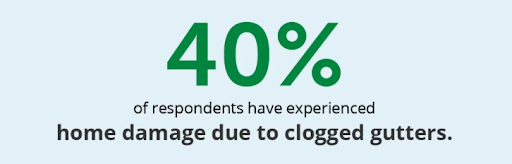
Study reveals 40% of homes are damaged by clogged gutters.
But cleaning gutters is not difficult. Remove all debris by hand or with a small scoop, then flush the downspouts with water to ensure proper flow. Check for loose sections, holes, or rust spots that may need repair. Installing gutter guards can also help minimize future build-up, saving time and effort over the long term.
Even if your home looks fine from the ground, it’s worth taking a closer look. Proper gutter maintenance preserves both your remodel and the foundation of your home, ensuring that walls, siding, and landscaping remain protected. By keeping gutters clean, you can prevent expensive repairs and maintain the aesthetic appeal of your updated home.
2. Service HVAC Systems
Your heating, ventilation, and air conditioning (HVAC) system keeps your home comfortable year-round, but it also plays a key role in protecting your remodeled interior. Dust, debris, and worn filters can reduce efficiency, increase energy costs, and even circulate allergens throughout your home. Regular seasonal service ensures your system works efficiently while maintaining indoor air quality.
Start by replacing or cleaning air filters and checking vents for blockages. Inspect ducts for leaks, and ensure that the thermostat functions properly. If your system uses a heat pump or central air, scheduling a professional check-up at least once a year can prevent costly repairs. Seasonal maintenance also ensures consistent temperature and humidity levels, which protects wood floors, furniture, and painted surfaces from warping or cracking.
“Maintaining your HVAC system is essential not just for comfort, but for protecting the value of a home. Proper airflow and consistent temperature control safeguard floors, walls, and finishes, which is especially important when preparing a property for resale or long-term living,” says Dan Close, Founder and CEO at We Buy Houses in Kentucky.
By keeping your HVAC system in top condition, you’re not only saving energy but also extending the lifespan of your remodeled spaces. Clean and properly functioning systems help maintain comfort, prevent damage, and reduce the likelihood of sudden breakdowns.
3. Check Roof and Flashing
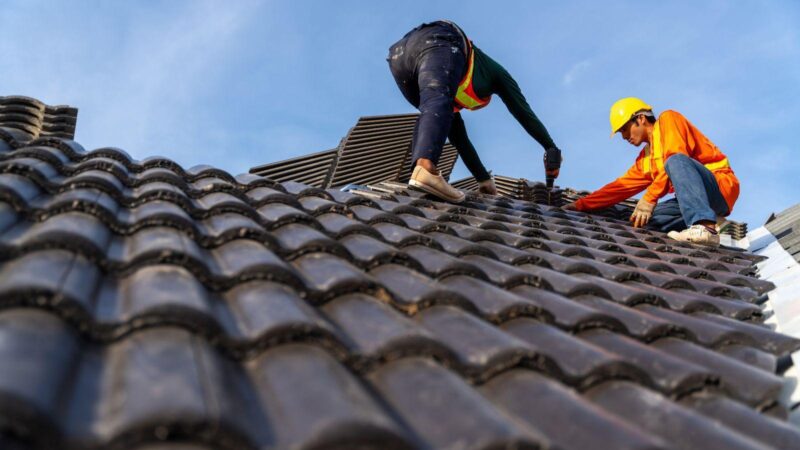
Your roof is your home’s first line of defense against the weather, so keeping it in good shape is essential. While it is easy to focus on the shingles, you need to pay close attention to the flashing around your chimneys, vents, and skylights. These seals do not last forever, and poor maintenance here can often lead to leaks that cause serious water damage inside your house.
It is important to know that different parts of your roof wear out at different speeds. On a tile roof, the step flashing typically lasts about 20 years.
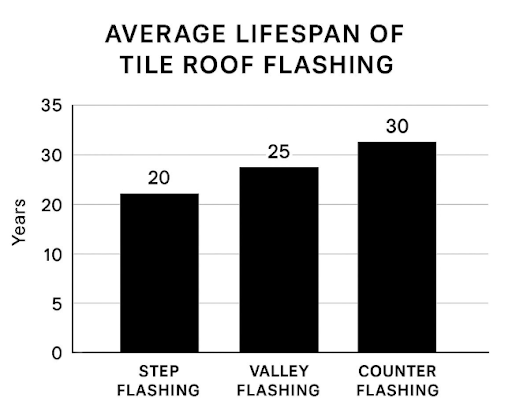
Valley flashing tends to hold up a bit longer, usually around 25 years, while counter flashing is the most durable, lasting up to 30 years. Once your flashing passes these age marks, it is much more likely to loosen or fail, so keeping track of these timelines is critical.
To stay ahead of problems, you should try to inspect your roof every spring and fall, or after any heavy winds. Look for simple warning signs like missing granules, moss, or dark streaks that show water is getting trapped.
Scott Mainzer, Owner of Mainzer Roofing, shares, Catching a small issue early, like resealing a piece of old flashing, is far cheaper than fixing ruined paint or flooring after a leak has already happened.
4. Seal Windows and Doors
Windows and doors are essential for comfort, energy efficiency, and interior protection. Over time, caulking and weather stripping can degrade, allowing drafts, moisture, and pests into your home. Seasonal inspection and sealing help maintain temperature control, reduce energy bills, and prevent water intrusion that could damage walls or floors.
Start by checking all window and door frames for gaps, cracks, or loose seals. Remove old caulking and apply fresh silicone or latex sealant where needed. Weather stripping should be replaced if it’s worn or brittle. These small measures can make a big difference in maintaining consistent indoor temperatures and preventing moisture damage.
Jason Lewis, Owner at Sell My House Fast Utah, notes, “Well-maintained windows and doors don’t just improve comfort — they protect a home’s value. Proper sealing prevents damage and keeps interiors looking their best, which is especially important when preparing a property for sale.”
Proper sealing also protects the finishes in your remodel. Hardwood floors, wall paint, and cabinetry can all suffer from fluctuating humidity or direct water exposure. By taking the time to maintain windows and doors, you preserve both the comfort and the look of your updated space.
5. Inspect Plumbing and Drains
Plumbing issues can escalate quickly, especially if your remodel includes new fixtures, sinks, or pipes. Seasonal inspection helps catch leaks, corrosion, and slow drains before they cause serious problems. Checking water pressure and inspecting visible pipes ensures that everything is functioning correctly.
Flushing water heaters seasonally removes sediment buildup, which can reduce efficiency and shorten the unit’s lifespan. Drain cleaning prevents clogs that could overflow into cabinets, floors, or walls, protecting newly renovated areas. Keep an eye on faucets, showerheads, and exposed pipes for signs of leaks or rust.
Even minor plumbing problems can impact your remodel. Water leaks can warp floors, ruin cabinetry, or stain walls. Regular maintenance ensures that both function and appearance are preserved, keeping your home comfortable and damage-free throughout the year.
6. Maintain Exterior Surfaces
The exterior of your home is exposed to sun, rain, wind, and snow, all of which can damage siding, brick, stucco, or paint. Regular cleaning and inspection help preserve both appearance and structural integrity. Pressure wash surfaces to remove dirt, mildew, or pollen. Touch up paint or apply sealants where necessary to protect against fading, cracking, or water damage.
Inspect caulking around windows, doors, and trim. Look for areas where moisture could seep in and compromise the underlying structure. Small cracks or chips may seem minor, but over time they can expand and lead to costly repairs.
Alfred Christ, Digital Marketing Manager at Robotime, says, “Maintaining a home requires the same attention to detail as working on a carefully crafted project. Regular cleaning, sealing, and upkeep not only preserve function but also highlight the beauty of every surface, much like caring for a well-designed model or piece of craftsmanship.”
Seasonal care of exterior surfaces protects both curb appeal and remodel investments. Whether you’ve updated siding, painted trim, or installed decorative elements, keeping them clean and well-sealed ensures they look good and last longer. Preventative maintenance now saves money and effort later.
7. Care for Flooring
When selecting flooring for a remodel, it is crucial to understand the expected longevity of different materials. Carpet offers the shortest durability, typically lasting between 5 and 15 years.
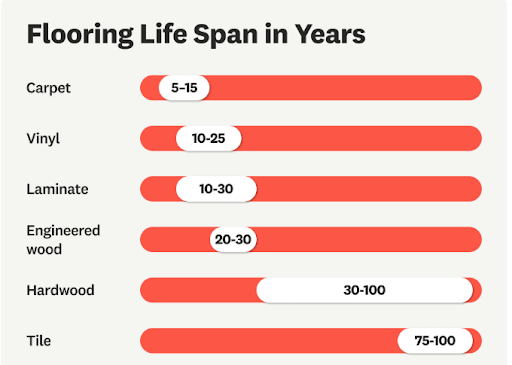
Vinyl and Laminate provide a moderate increase in longevity, ranging from 10 to 25 years and 10 to 30 years, respectively. For homeowners seeking longer-term solutions, Engineered Wood lasts between 20 and 30 years, while Hardwood represents a significant investment that can endure for 30 to 100 years. Tile stands out as the most durable option, boasting an impressive lifespan of 75 to 100 years.
However, achieving these maximum lifespans requires dedication, as floors endure a significant amount of wear. Smit Shah, E-commerce Manager at Apollo Tile, shares, “Proper seasonal maintenance is essential to preserve both the beauty and function of the material. Wood, tile, stone, and laminate all benefit significantly from regular cleaning and conditioning.” Deep cleaning is particularly important because it removes the dirt and grit that can scratch surfaces.
Specific materials require tailored care strategies to mitigate this damage. For wood floors, homeowners should consider periodic refinishing or the application of protective coatings. Tile and stone surfaces often require grout cleaning and sealing to prevent discoloration or water damage.
High-traffic areas—such as entryways and kitchens—demand extra attention to avoid unsightly scratches and stains that can degrade the floor prematurely.
8. Landscape and Drainage Maintenance
Outdoor maintenance is just as important as indoor care. Trim trees and bushes away from your home to prevent damage to siding, roofs, and windows. Check drainage paths and ensure water flows away from the foundation to avoid pooling, which can seep into basements or crawl spaces.
Inspect patios, decks, and walkways for cracks or loose boards, and clean debris to prevent slipping hazards. Proper landscaping maintenance protects both your home and any exterior remodel features you’ve added, like new patios or garden paths.
Keeping your landscape healthy also enhances curb appeal and complements your interior design choices, making the home feel cohesive and cared for.
9. Inspect and Maintain Lighting Fixtures
Lighting affects both safety and aesthetics. Check indoor and outdoor lighting fixtures to ensure they work properly. Replace burnt-out bulbs, clean glass covers, and inspect wiring for signs of wear. Outdoor lights should be checked for water damage or corrosion.
Maintaining lighting preserves the ambiance and functionality of your remodel. Well-lit areas improve visibility, highlight architectural features, and ensure safety for you and your guests. Regular upkeep also extends the life of your fixtures, preventing unnecessary replacements.
Marissa Burrett, Lead Design for DreamSofa, adds, “Lighting isn’t just about visibility — it defines how a space feels. Proper maintenance ensures fixtures showcase architectural details and design elements the way they were intended, keeping interiors both beautiful and functional.”
10. Seasonal Deep Cleaning and Organization
Seasonal deep cleaning goes beyond regular chores. Dust and clean hard-to-reach areas, carpets, drapes, and vents. Organize closets, storage spaces, and cabinets to prevent clutter from accumulating. This keeps your remodeled areas looking fresh and functional.
Deep cleaning also helps prevent damage from dirt, dust, or moisture. Floors, countertops, and furniture last longer, and finishes maintain their shine and appeal. Taking time each season to refresh your home protects both design and functionality, making your remodel a long-term investment you can enjoy.
To Sum it Up
Regular seasonal maintenance is key to protecting your remodel and keeping your home looking and functioning its best. Tasks like cleaning gutters, servicing HVAC systems, checking roofs, and caring for floors may seem small, but they prevent costly damage and preserve your investment.
Maintaining exterior surfaces, plumbing, lighting, and landscaping also ensures your home stays safe, efficient, and beautiful year-round. By making these 10 tasks part of your seasonal routine, you can enjoy your remodeled space longer, avoid unexpected repairs, and keep both style and function in perfect balance.