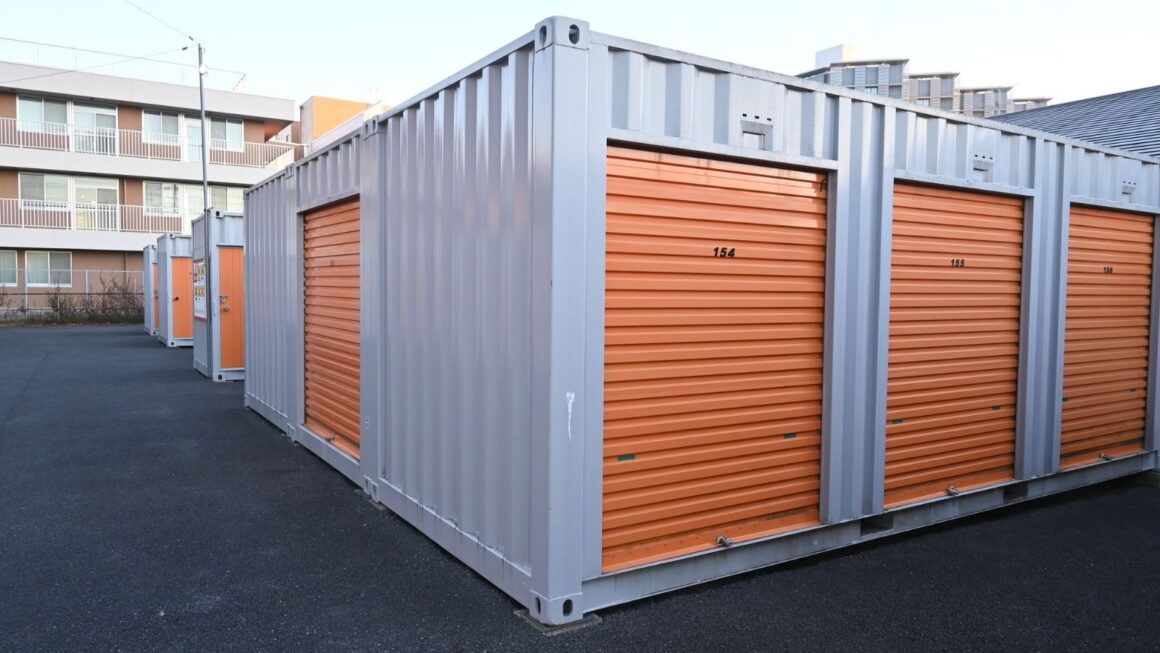
Property ownership comes with constant movement, even when no one is technically moving out. Furniture shifts, rooms are cleared, renovations start, and tenants or owners transition in and out. In these moments, moving containers are less about relocation and more about creating controlled, temporary space so work can be done efficiently and without unnecessary damage or delays.
Why space management matters in property care
Maintaining a property is rarely just about fixing what is broken. It is about protecting what already works while improvements are made. Space plays a central role in that process, yet it is often overlooked until it becomes a problem.
Furniture and belongings as hidden obstacles
Whether a property is owner occupied or rented, interiors are usually full. Furniture, appliances, stored items, and personal belongings limit access to walls, floors, and fixtures. Even routine maintenance becomes harder when technicians have to work around obstacles or rush to avoid damaging items.
The cost of working around clutter
When spaces are not properly cleared, maintenance tasks take longer and mistakes become more likely. Paint splashes, scratched floors, and damaged fixtures are often the result of insufficient room to work. Creating temporary space protects both the property and the contents inside it.
Renovation and repair projects benefit from clear interiors
Any improvement project, large or small, works better when the environment is controlled. Clear rooms allow contractors to focus on quality instead of logistics.
Flooring, painting, and surface work
Projects that involve floors or walls require empty or near empty rooms to be done correctly. Attempting to shift furniture from one corner to another often leads to uneven results and extended timelines. Removing items entirely allows work to be completed faster and with greater precision.
Preventing secondary damage
Dust, debris, and moisture are common during maintenance projects. When belongings remain in the space, they are exposed to unnecessary risk. Temporarily relocating items reduces the chance of additional cleaning, repairs, or replacement costs later on.
Supporting tenant turnover and vacancy periods
Property transitions are one of the most demanding phases of ownership or management. Timing is tight, and expectations are high.
Faster turnaround between occupants
When one tenant moves out and another is scheduled to move in, there is little room for delays. Clearing the property quickly allows cleaning, repairs, and inspections to happen without interruption. Temporary storage solutions make it easier to reset the space efficiently.
Presenting a clean, neutral environment
Empty or uncluttered spaces photograph better and show better. When preparing a property for viewings or inspections, removing leftover items helps potential occupants or buyers focus on the space itself rather than distractions.
Managing partial moves and phased transitions
Not every move happens in a single step. In many cases, people need time to coordinate dates, repairs, or life changes.
When timelines do not align
Delayed move in dates, extended renovations, or unexpected repairs can leave belongings in limbo. Rather than crowding another property or delaying necessary work, storing items temporarily keeps projects moving forward.
Reducing stress during transitions
Moving is already demanding. Adding maintenance work or property upgrades at the same time increases pressure. Separating belongings from the work environment simplifies decision making and reduces the chance of rushed or costly mistakes.
Protecting long term property value
Property care is ultimately about preserving value over time. The way maintenance and upgrades are handled directly affects that outcome.
Controlled environments lead to better results
Work done in clear, accessible spaces is typically higher quality. Contractors can follow best practices, materials are applied correctly, and finishes last longer. These small improvements compound over time, protecting the property’s overall condition.
Avoiding unnecessary wear and tear
Dragging furniture across floors, stacking items in hallways, or crowding rooms during projects all contribute to wear. Temporary space solutions reduce this strain, keeping surfaces and fixtures in better condition.
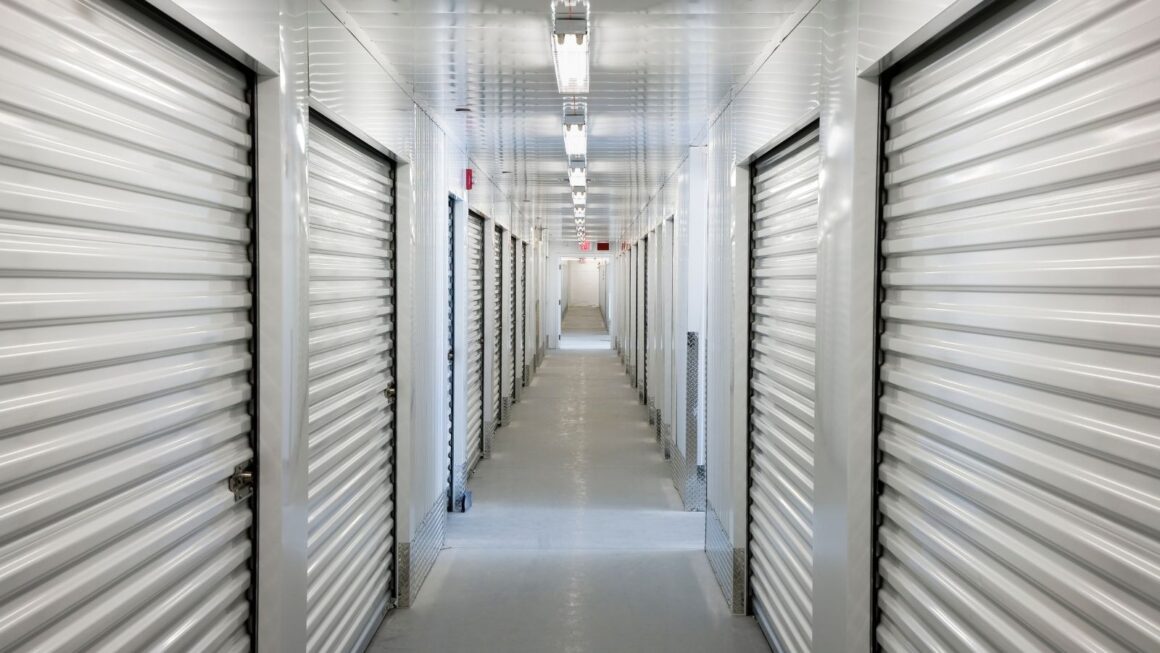
Flexibility for ongoing property management
Properties are not static. Needs evolve, and unexpected situations arise.
Adapting to maintenance schedules
Some projects cannot be completed in a single day. Having the flexibility to clear spaces for as long as needed allows work to be scheduled realistically instead of rushed into inconvenient windows.
Supporting seasonal or periodic work
Certain maintenance tasks occur annually or seasonally. Creating temporary space during these periods allows work to be completed thoroughly without disrupting daily use of the property more than necessary.
Making organization part of property strategy
Space management is not just a short term fix. It can be part of a broader approach to property care.
Better planning through temporary space
When belongings are removed, it becomes easier to assess the condition of walls, floors, and fixtures. Hidden issues are revealed, allowing proactive maintenance instead of reactive repairs.
Simplifying future projects
Once a property has been cleared and reorganized during one project, future work becomes easier. Owners and managers gain a clearer understanding of how space can be managed efficiently when changes are needed.
Creating room for effective property care
Well maintained properties are the result of thoughtful planning, not rushed fixes. Creating temporary space allows maintenance, repairs, and transitions to happen with less friction and better results. By separating belongings from the work environment, property owners and managers gain control over timelines, quality, and outcomes.
A practical tool for long term success
Moving containers are not only for changing addresses. They are a practical tool for anyone responsible for keeping a property functional, protected, and ready for its next phase. When space is managed intentionally, property care becomes smoother, more efficient, and far less stressful.
Letting the property work as intended
A clear space allows each project to be done properly and allows the property itself to shine. Whether preparing for repairs, upgrades, or transitions, creating room to work is often the most effective first step toward maintaining value and ensuring long term performance.