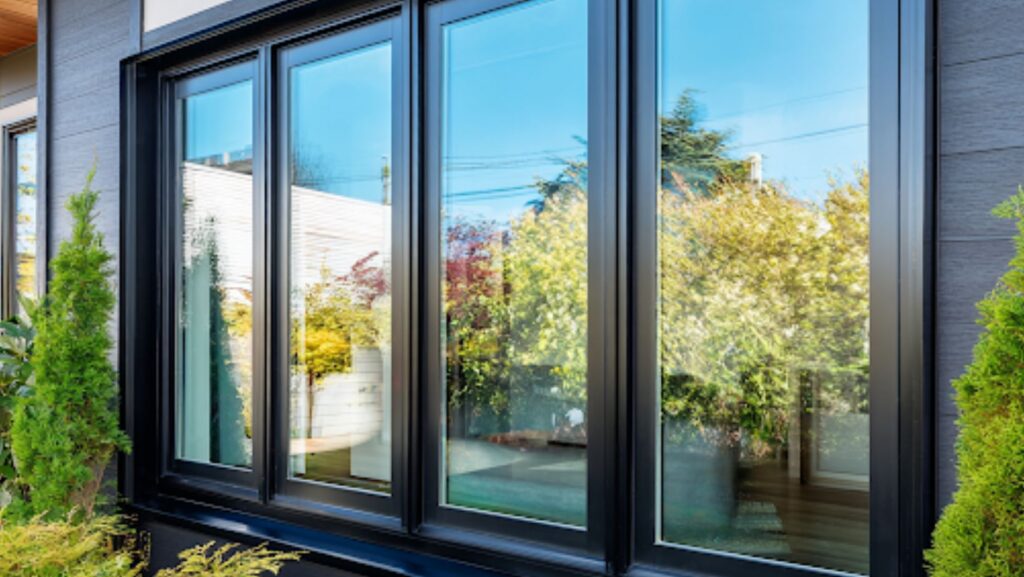
Think of your windows as the skin of your home. Just as we’ve evolved from basic clothing to advanced technical fabrics that breathe, regulate temperature, and protect us from the elements, replacement windows have undergone their own evolutionary leap. The conversation around expert replacement windows has shifted dramatically, and what once felt like a luxury upgrade has become the baseline expectation for homeowners who understand that their property’s performance directly impacts their quality of life and resale value.
The exterior maintenance landscape is changing faster than most homeowners realize. While we obsess over pressure washing our driveways and ensuring our gutters flow freely, we often overlook the silent performers working 24/7 to protect our homes: our windows. The shift toward triple glazing represents more than just adding an extra pane of glass. It’s about fundamentally rethinking how our homes interact with the outside world. As black window frames become the sophisticated home upgrade of choice for design-conscious property owners, the glazing technology inside those frames matters more than ever.
The Heat Retention Revolution Nobody’s Talking About
Here’s something that’ll make you reconsider your entire approach to home comfort: triple glazing doesn’t just keep your house warmer. It fundamentally changes the physics of how heat behaves in your living spaces. Imagine two identical rooms on a frigid winter morning. In the double-glazed room, you’d instinctively pull your sweater tighter near the windows, that invisible chill radiating through the glass like a cold hand reaching toward you. In the triple-glazed room? You’d forget the windows are even there.
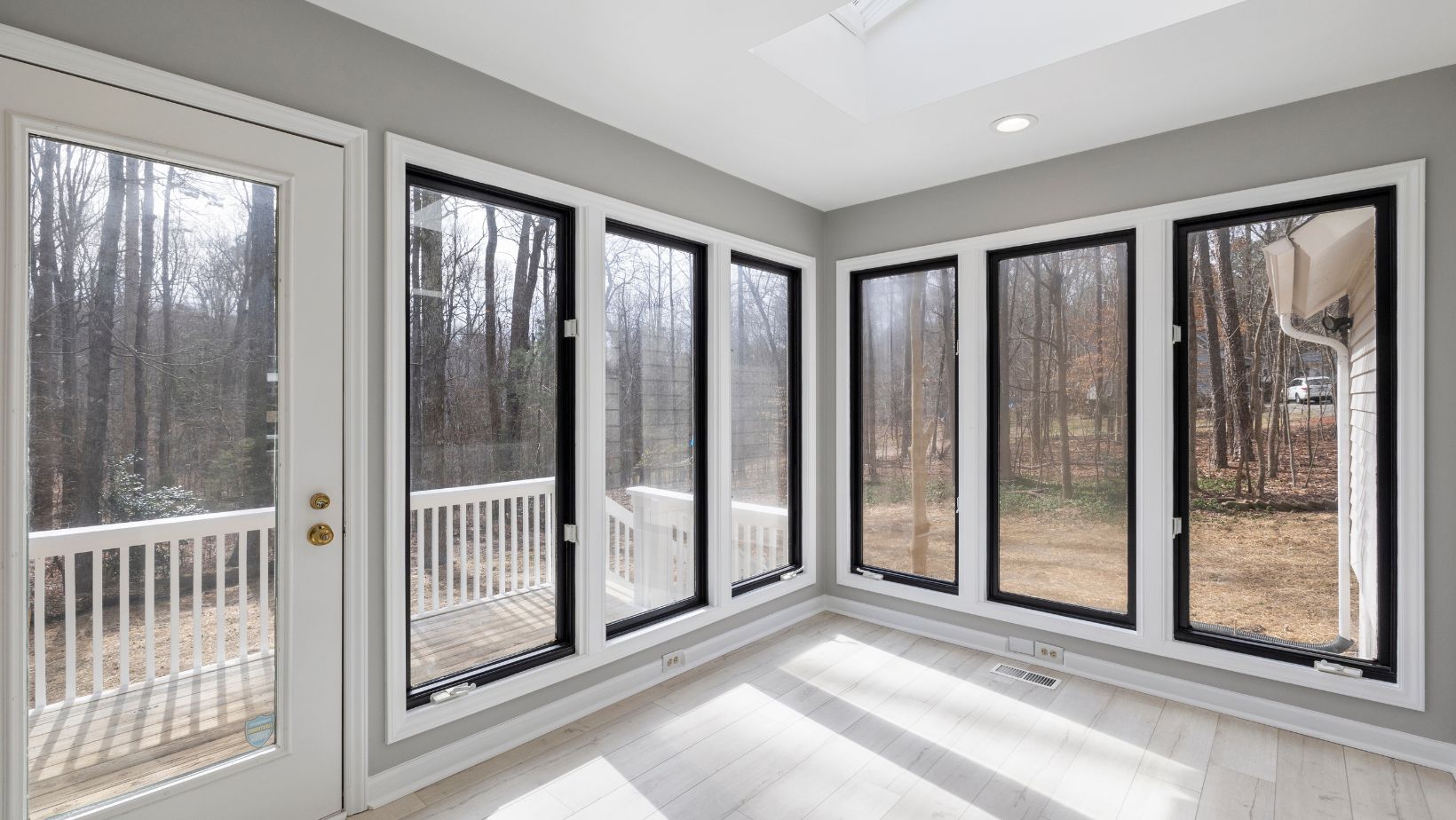
According to Architectural Digest’s analysis of advanced fenestration technology, the performance gap between double and triple glazing has widened significantly as manufacturing techniques have improved. The difference isn’t marginal. We’re talking about 30% better heat retention, which translates to noticeable comfort improvements and measurable energy savings. That extra pane creates a thermal barrier so effective that condensation becomes a distant memory, even on those brutal mornings when frost patterns used to paint your windows.
Sound Insulation That Actually Works
Ever tried to have a quiet conversation while traffic roars past your windows? The acoustic performance difference between double and triple glazing is like comparing a cardboard box to a bank vault. That third pane of glass doesn’t just muffle sound. It actively disrupts sound waves in ways that double glazing simply cannot match.
Think of sound waves as ripples across a pond. Double glazing is like having one barrier partially blocking those ripples. Triple glazing? It’s like having two barriers spaced strategically apart, causing the waves to lose energy as they try to navigate the additional obstacles. For homeowners living near busy roads, airports, or even just chatty neighbors, this acoustic upgrade transforms your home from a soundproof attempt into a genuine sanctuary.
The Durability Factor Everyone Underestimates
Here’s where property maintenance wisdom meets long-term thinking: triple glazing isn’t just about performance today. It’s about maintaining that performance for decades. The sealed unit construction that makes triple glazing work also makes it incredibly resilient to the thermal cycling that eventually degrades double-glazed units.
Consider what happens during temperature swings. Double-glazed units expand and contract with each temperature change, gradually stressing the seals and spacer bars. Over years, this mechanical fatigue leads to seal failure, moisture infiltration, and that dreaded foggy appearance between panes. Triple glazing distributes these thermal stresses across more components, significantly extending the operational lifespan. You’re not just buying better performance—you’re buying a window that maintains its specifications far longer than conventional alternatives.
Installation Timing Matters More Than You Think
The optimal window for triple glazing installation is narrowing. Energy regulations are tightening globally, and properties without high-performance glazing will face increasing penalties in resale markets and rental certifications. Property owners who act in 2026 position themselves ahead of regulatory changes while benefiting from current market competition among manufacturers.
Here’s the practical consideration most contractors won’t tell you upfront: triple glazing requires more robust frames and sometimes minor structural adjustments to window openings. The units are heavier, the frames are deeper, and the installation demands precision that separates amateur work from genuine craftsmanship. This isn’t a weekend DIY project. It’s a specialized upgrade that demands experienced professionals who understand both the technical requirements and the aesthetic implications.
The Financial Mathematics That Changes Everything
Let’s talk numbers without the usual industry spin. Yes, triple glazing costs approximately 20% more than equivalent double-glazed units. But here’s where conventional wisdom fails: that premium shrinks to near-zero when you factor in the extended lifespan, superior energy performance, and increasing property value differential.
Modern building science has demonstrated that high-performance windows deliver returns through multiple channels simultaneously. Energy savings alone rarely justify the upgrade, but combine those savings with reduced HVAC maintenance costs, extended system lifespans, improved property valuations, and enhanced livability, and suddenly the financial equation tips decisively toward triple glazing. The homeowners who recognize this multi-dimensional value proposition are the ones making the switch now, before regulatory pressure forces their hand at potentially higher prices.
Condensation Control That Actually Solves the Problem
Anyone who’s dealt with persistent window condensation knows the frustration: you wipe, you ventilate, you adjust humidifiers, and still those droplets return like unwanted houseguests. Triple glazing approaches this problem from a completely different angle by raising the interior surface temperature of the glass significantly above the dew point.
When interior glass surfaces stay warmer, moisture simply cannot condense on them under normal humidity conditions. This isn’t a bandaid solution. It’s eliminating the root cause. For property owners managing multiple units or dealing with high-humidity environments, this single benefit can justify the entire upgrade cost by eliminating ongoing maintenance headaches and preventing the moisture damage that condensation inevitably causes over time.
The Future-Proofing Perspective
Building standards continue evolving toward ever-higher performance requirements. The Future Homes Standard and similar international regulations are pushing triple glazing from premium option toward mandatory specification for new construction. Property owners installing triple glazing now are essentially future-proofing their homes against regulatory changes that will eventually require retrofits for everyone else.
Consider the resale implications: in five years, buyers will expect triple glazing in the same way they currently expect double glazing. Properties without it will face valuation penalties and extended market times. Early adopters position themselves advantageously, avoiding the inevitable rush and price inflation when regulations make upgrades mandatory rather than optional.
The Aesthetic Integration Challenge
High-performance glazing demands careful integration with your property’s overall aesthetic. The thicker frames required for triple glazing can actually enhance architectural presence when properly specified, but they can also look clunky if chosen carelessly. This is where understanding the relationship between frame depth, sight lines, and architectural style becomes crucial.
Modern frame systems have evolved to accommodate triple glazing without the exaggerated profiles that characterized early attempts. Slim-profile systems now allow triple-glazed units in frames barely thicker than conventional double glazing, maintaining clean sight lines while delivering superior performance. The key is working with suppliers who understand both the technical requirements and the aesthetic implications of their products.
Maintenance Simplicity That Surprises
Contrary to popular assumption, triple glazing doesn’t complicate maintenance. It simplifies it. With properly specified and installed units, external cleaning becomes your primary maintenance task. No more dealing with failed seals, no more moisture between panes, no more performance degradation that requires eventual replacement.
The self-draining systems built into quality triple-glazed units prevent the water accumulation that plagues cheaper alternatives. Combined with modern coating technologies that resist dirt adhesion, these windows maintain their appearance and performance with minimal intervention. For property managers overseeing multiple buildings or homeowners simply seeking lower-maintenance solutions, this operational simplicity delivers ongoing value that often exceeds the initial premium paid.
Making the Decision Work for Your Property
Every property presents unique considerations that influence the triple glazing decision. South-facing windows in temperate climates might prioritize solar heat gain control, while north-facing openings in colder regions demand maximum thermal resistance. Understanding these nuanced performance requirements separates successful upgrades from disappointing installations.
The consultation phase matters more than most homeowners realize. Specifications should account for orientation, climate zone, aesthetic preferences, existing frame conditions, and long-term property plans. Generic recommendations rarely deliver optimal results—your window upgrade should be as customized as your home itself, reflecting both your immediate needs and your evolving expectations for property performance.
The transition to triple glazing represents more than a simple component upgrade. It’s recognizing that our homes deserve the same high-performance technologies we expect in every other aspect of modern life. As energy costs continue rising and comfort expectations keep increasing, the performance gap between adequate and excellent grows more consequential. Property owners making this upgrade now position themselves ahead of inevitable market shifts while immediately enjoying the comfort, efficiency, and peace of mind that truly high-performance windows deliver every single day.