
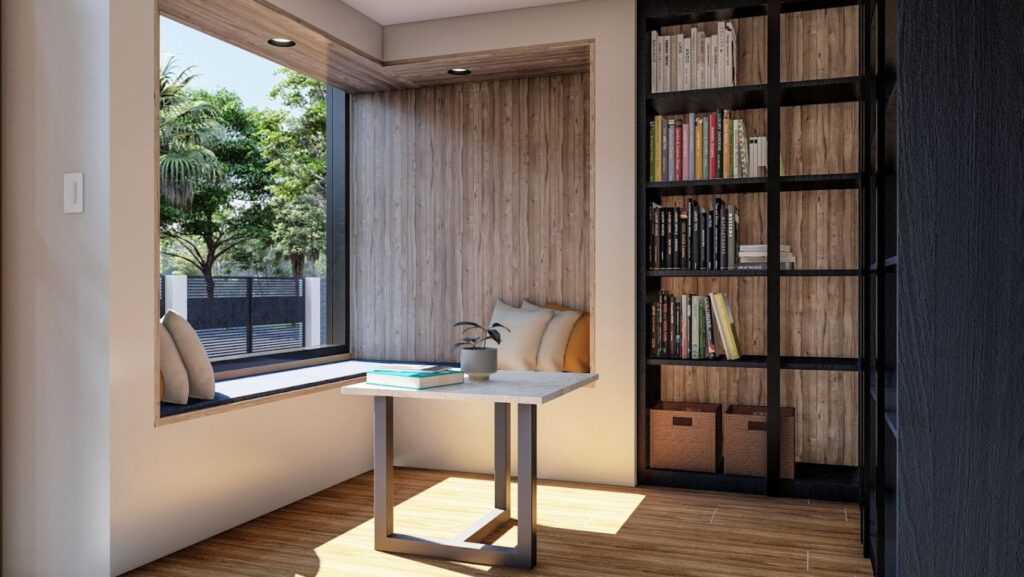
Soft drapes and well‑worn pages speak the same quiet language. One wraps you in physical comfort; the other whisks you away mentally. Use them with clear intent; suddenly that ordinary corner feels like a small sanctuary. People are increasingly making their homes feel like personal libraries, adding a cozy nook or weaving books into the décor, because the world spins fast, sounds loud, and never gives us a break. Find a small, silent corner and you’ll discover a personal retreat. When you settle there, the mind pauses, the body eases, and the ticking of hours seems to slackenSoft Furnishings and Books: Perfect Combinations for Relaxation
Soft drapes and well‑worn pages speak the same quiet language. One wraps you in physical comfort; the other whisks you away mentally. Use them with clear intent; suddenly that ordinary corner feels like a small sanctuary. People are increasingly making their homes feel like personal libraries, adding a cozy nook or weaving books into the décor, because the world spins fast, sounds loud, and never gives us a break. Find a small, silent corner and you’ll discover a personal retreat. When you settle there, the mind pauses, the body eases, and the ticking of hours seems to slacken
If you’re planning a home refresh, you’re not alone—61 % of homeowners in a 2024 trends survey said they’ll focus on comfort first, leaving style as a bonus. Look at the shift; it uncovers something obvious. People want homes that support well-being, not just aesthetics.
Why Soft Furnishings Matter
Soft furnishings do more than fill a room. They dictate the atmosphere. They shape how sound moves, how light feels and how the body responds to a space. A thick rug can instantly warm a cold wooden floor. A textured throw draped across a chair can shift a corner from impersonal to inviting. Pillows—large, small, firm, feather-filled—change a seat from upright to relaxed in seconds.
Some rooms depend heavily on these layers. Others require only subtle touches. The key is to experiment, because softness is subjective. One person may find comfort in structured seating; another may seek an oversized pouf that molds to their shape. That’s why unpredictable combinations often work best. Mix linen with velvet, pair a structured chair with a blanket that almost spills over its arms, try a muted palette beside a sudden burst of color. Let the space surprise you a little.
Books as Emotional Architecture
Books carry more than information. They act as emotional architecture. A shelf filled with novels, biographies, architectural guides and poetry creates a rhythm similar to artwork on a wall. The color of spines, the height of volumes, the way titles align or tilt—all of this creates a visual narrative.

And there’s another layer: books change how people behave. And it’s not just about paper books. Reading books online also helps slow down the pace of life and fosters a more deliberate and mindful routine. This can include both technical literature and free werewolf novels on FictionMe. Everyone can find inspiration in different places, but for many, books become sources of ideas.
This is why many homeowners now try to design living spaces with books as a central feature rather than an afterthought. When arranged thoughtfully, they become a balancing force between personality and peace.
Creating a Cozy Reading Nook
To create a cozy reading nook, start with intention: comfort first, function second. Identify a corner that already feels slightly sheltered. It could be near a window, beneath a staircase, or beside a built-in shelf. Odd spaces work well because they feel naturally intimate.
Then build upward. A soft chair sets the tone. A reading lamp shapes the mood. A small side table anchors the scene. Add a throw blanket that feels heavier than expected; weight creates relaxation. Try combining two or three pillows of varying firmness. No room left for books? Just download now this application. Consider adding a footstool or a small ottoman, even if you think you won’t use it. You probably will.
Acoustics matter too. Curtains, textiles and cushions absorb noise, creating a quieter micro-environment. Some designers even add a second rug layered over the first to deepen the softness underfoot.
One last detail: scents. A reading nook scented with cedar, vanilla, paper, lavender or mild citrus can enhance relaxation. Nothing strong. Just a hint.
Blending Books Into Everyday Rooms
Want a book‑filled room that still feels airy? Keep the number modest and the effect will be charming. Consider scattering stacks of books rather than filling every shelf. Place a small group on a coffee table, another by a lounge chair and a final set near a window. Choose books that invite touch—fabric covers, textured edges, matte finishes.
2025 sees the rise of “floating book landscapes.” Homeowners line up slim groups of books on a wall, skipping the standard bookshelf entirely. Adding this element layers the room with a soft, inviting texture, while keeping the overall vibe breezy. It turns literature into décor while keeping the atmosphere casual.
Pay attention: light can tip the balance. Warmer bulbs make book spines glow softly, pulling the eye toward them. Cooler lighting brings out detail, yet it can make a room feel chilly, so finding a middle ground matters.
Soft Furnishings + Books: Why the Combination Works
Soft furnishings soothe the body. Books soothe the mind. Together they create multilayered comfort. Some designers refer to this blend as “restorative design,” a style that prioritizes emotional ease over minimalism or luxury.
The combination works because it feels human. The fabric is touchable. Paper is familiar. Neither feels technological or rushed. When arranged with intention, these elements form a cocoon-like atmosphere—gentle but engaging, restful yet intellectually stimulating.
A space filled with soft textiles and well-chosen books becomes something else entirely: a personal retreat that doesn’t require leaving home.
Conclusion
To create a cozy reading nook or design living spaces with books is, ultimately, to choose comfort over noise. It is a small act of self-care. It is a decision to honor calm. And in a world where the pace increases daily, quiet spaces built with softness and stories matter more than ever.
Soft furnishings shape the feeling of a room. Books shape the meaning of a room. But combined, they shape the experience of the person inside it. That’s why the pairing endures—and why it will continue to define how people relax for years to come.
If you’re planning a home refresh, you’re not alone—61 % of homeowners in a 2024 trends survey said they’ll focus on comfort first, leaving style as a bonus. Look at the shift; it uncovers something obvious. People want homes that support well-being, not just aesthetics.
Why Soft Furnishings Matter
Soft furnishings do more than fill a room. They dictate the atmosphere. They shape how sound moves, how light feels and how the body responds to a space. A thick rug can instantly warm a cold wooden floor. A textured throw draped across a chair can shift a corner from impersonal to inviting. Pillows—large, small, firm, feather-filled—change a seat from upright to relaxed in seconds.
Some rooms depend heavily on these layers. Others require only subtle touches. The key is to experiment, because softness is subjective. One person may find comfort in structured seating; another may seek an oversized pouf that molds to their shape. That’s why unpredictable combinations often work best. Mix linen with velvet, pair a structured chair with a blanket that almost spills over its arms, try a muted palette beside a sudden burst of color. Let the space surprise you a little.
Books as Emotional Architecture
Books carry more than information. They act as emotional architecture. A shelf filled with novels, biographies, architectural guides and poetry creates a rhythm similar to artwork on a wall. The color of spines, the height of volumes, the way titles align or tilt—all of this creates a visual narrative.
And there’s another layer: books change how people behave. And it’s not just about paper books. Reading books online also helps slow down the pace of life and fosters a more deliberate and mindful routine. This can include both technical literature and free werewolf novels on FictionMe. Everyone can find inspiration in different places, but for many, books become sources of ideas.
This is why many homeowners now try to design living spaces with books as a central feature rather than an afterthought. When arranged thoughtfully, they become a balancing force between personality and peace.
Creating a Cozy Reading Nook
To create a cozy reading nook, start with intention: comfort first, function second. Identify a corner that already feels slightly sheltered. It could be near a window, beneath a staircase, or beside a built-in shelf. Odd spaces work well because they feel naturally intimate.
Then build upward. A soft chair sets the tone. A reading lamp shapes the mood. A small side table anchors the scene. Add a throw blanket that feels heavier than expected; weight creates relaxation. Try combining two or three pillows of varying firmness. No room left for books? Just download now this application. Consider adding a footstool or a small ottoman, even if you think you won’t use it. You probably will.
Acoustics matter too. Curtains, textiles and cushions absorb noise, creating a quieter micro-environment. Some designers even add a second rug layered over the first to deepen the softness underfoot.
One last detail: scents. A reading nook scented with cedar, vanilla, paper, lavender or mild citrus can enhance relaxation. Nothing strong. Just a hint.
Blending Books Into Everyday Rooms
Want a book‑filled room that still feels airy? Keep the number modest and the effect will be charming. Consider scattering stacks of books rather than filling every shelf. Place a small group on a coffee table, another by a lounge chair and a final set near a window. Choose books that invite touch—fabric covers, textured edges, matte finishes.
2025 sees the rise of “floating book landscapes.” Homeowners line up slim groups of books on a wall, skipping the standard bookshelf entirely. Adding this element layers the room with a soft, inviting texture, while keeping the overall vibe breezy. It turns literature into décor while keeping the atmosphere casual.
Pay attention: light can tip the balance. Warmer bulbs make book spines glow softly, pulling the eye toward them. Cooler lighting brings out detail, yet it can make a room feel chilly, so finding a middle ground matters.
Soft Furnishings + Books: Why the Combination Works
Soft furnishings soothe the body. Books soothe the mind. Together they create multilayered comfort. Some designers refer to this blend as “restorative design,” a style that prioritizes emotional ease over minimalism or luxury.
The combination works because it feels human. The fabric is touchable. Paper is familiar. Neither feels technological or rushed. When arranged with intention, these elements form a cocoon-like atmosphere—gentle but engaging, restful yet intellectually stimulating.
A space filled with soft textiles and well-chosen books becomes something else entirely: a personal retreat that doesn’t require leaving home.
Conclusion
To create a cozy reading nook or design living spaces with books is, ultimately, to choose comfort over noise. It is a small act of self-care. It is a decision to honor calm. And in a world where the pace increases daily, quiet spaces built with softness and stories matter more than ever.
Soft furnishings shape the feeling of a room. Books shape the meaning of a room. But combined, they shape the experience of the person inside it. That’s why the pairing endures—and why it will continue to define how people relax for years to come.


