Small issues compound into big repairs: moisture intrusion, neglected roof touch-ups, and ventilation problems shorten the life of roofs, Painting, HVAC, and finishes. A simple preventive plan keeps components healthy, safer, and preserves resale value. Below is a practical framework—early-warning checks, seasonal tasks, and where professional help actually saves money.
Why proactive home maintenance matters.
Homeowners, tenants, and facility managers often fail to maintain their properties properly. Quietly deteriorating buildings eventually necessitate expensive repairs due to modest, concealed flaws. Major breakdowns in the structure or mechanics rarely occur suddenly. Avoiding inspections, exposing them to dampness, having inadequate ventilation, and not cleaning or maintaining them regularly all contribute to their delayed development.
Preventive maintenance is more than fixing broken things. It allows for the early detection of issues, the prolongation of construction materials’ useful life, and the reduction of costs in the long run. Security, convenience, and home value are all enhanced by a regular, well-thought-out schedule, especially when supported by professionals such as United Response Restoration. Residential buildings must follow these guidelines.
Early Warning Signs Owners Can Catch
Degradation can be avoided if degradation is detected early.
Detecting early deterioration stops problems before they grow.
- Discolored ceiling near bathrooms → check vent ducting & roof penetrations
- Doors catching/misaligned → investigate moisture or settlement
- HVAC runs but bills spike → clogged filter/coil fouling
- Window condensation & damp skirting → sealant/flashing failure
- Musty odors in basements → moisture source to inspect
- Peeling exterior paint → risk of water ingress
A simple monthly visual check helps you catch early moisture, settlement, or ventilation issues before costs escalate.
Extend Lifespan with Simple Preventive Tasks
Many homeowners also like working with structured services like TQN Construct to ensure their preventive work is completed on time and correctly. In order to keep little problems from becoming major repairs, homeowners should be familiar with our full range of home maintenance services. Preventive maintenance protects structure, systems, and long-term value by addressing small recurring tasks that preserve essential components.
1. Roof & Gutter Restorations
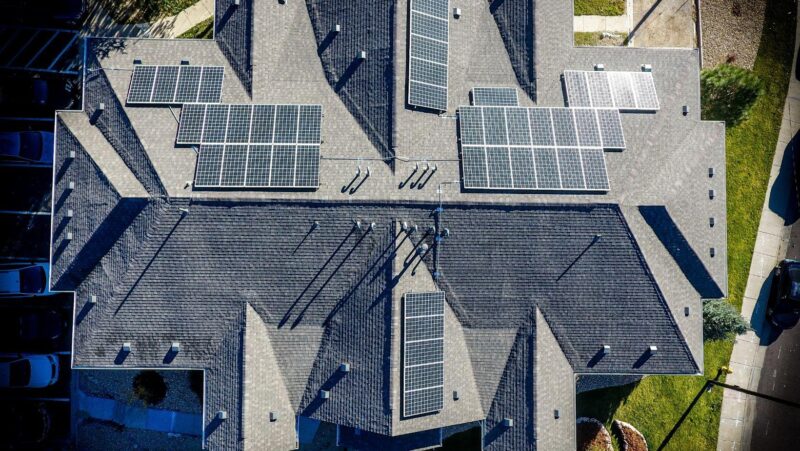
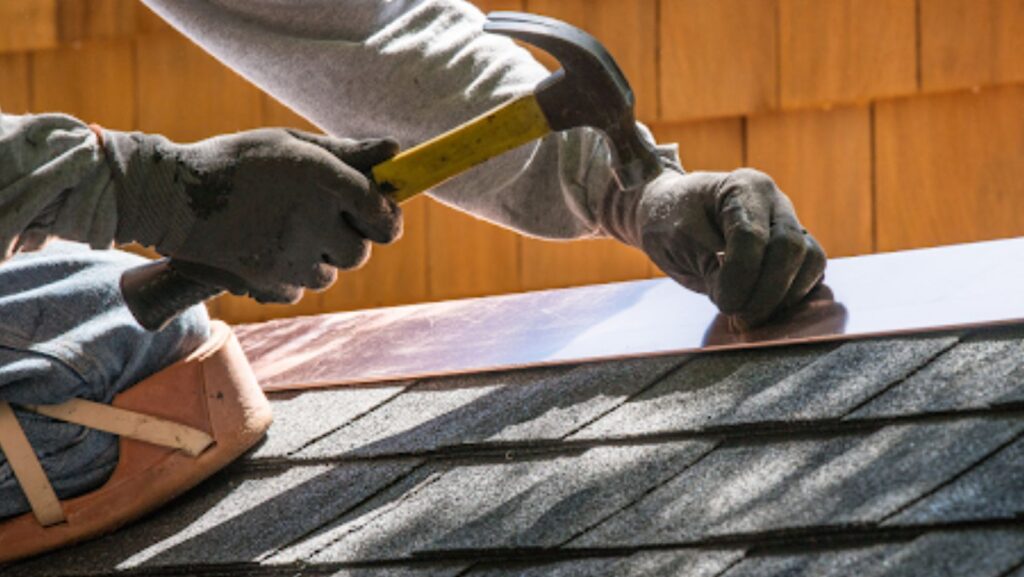
Overflowing gutters damage eaves and foundations. Clear gutters twice yearly and inspect tiles, flashing, and penetrations for cracks or loose materials. Minor issues escalate quickly if ignored.
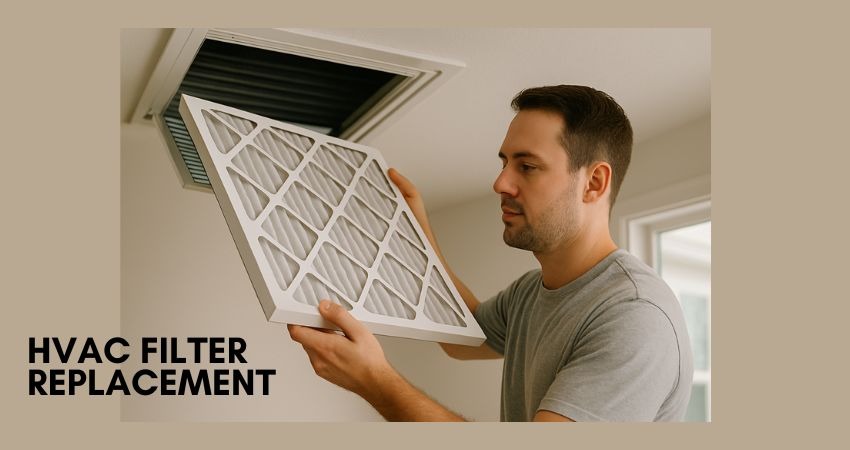
2. HVAC Filter Replacement & System Cleaning
Replace filters every 1–3 months. Dirty coils and filters strain the system, increasing bills and reducing lifespan.
3. Caulking & Sealant Renewal
Reseal bathroom tiles, windows, and exterior joints when needed to prevent moisture penetration.
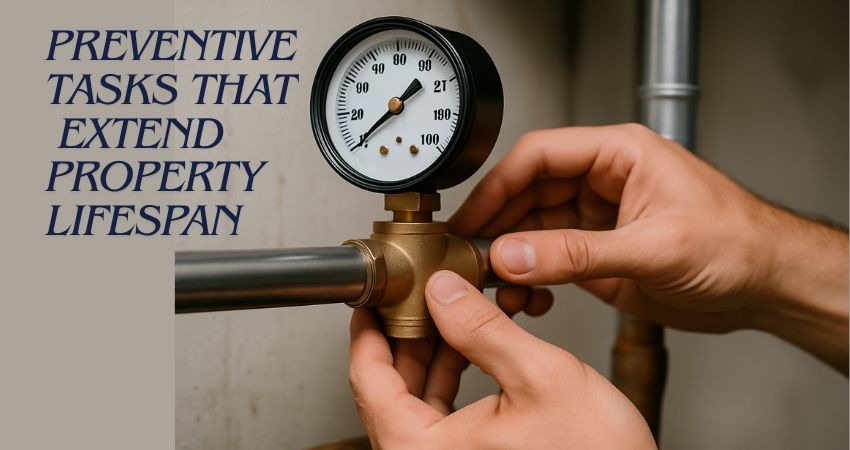
4. Plumbing Pressure Checks
High water pressure stresses pipes and appliances. Regular pressure testing and hot-water anode maintenance reduce leaks and bursts.
5. Interior & Exterior Ventilation
Clean exhaust fans and ensure attic ventilation to prevent condensation, mould, and poor air quality.
How Routine Maintenance Changes Outcomes
In terms of property performance in the long run, these preventative measures are far more effective. The following comparison exemplifies how regular servicing prolongs key parts:
| Component | Without routine care | With routine care |
| Roof (tiles/asphalt) | Microcracks propagate; early replacement | Flashing/seal inspections add three to five years |
| Split-system HVAC | Coil fouling, +10–15% energy use | Filter and coil servicing leads to reduced costs |
| Exterior paint/timber | Peeling → moisture ingress/rot | Spot priming and sealing can prevent rot. |
| Plumbing | High pressure includes leaks or bursts | Pressure & anode checks reduce failures |
These duties take on even more critical significance in places where the seasons change dramatically, including places where it rains often in the winter and scorching summers.
One example is the necessity to change HVAC filters every one to three months during peak seasons to control dust, pollen, or smoke. The same applies to brighter climates: external sealants, when properly maintained, protect wood and paint from UV deterioration.
Seasonal Plan That Actually Works
Property upkeep becomes more manageable with a set seasonal schedule. Consider dividing your yearly to-do list into four manageable sections. A trustworthy company like TQN Construct can help homeowners keep up with these seasonal checks, especially during busy months.
Quarterly (DIY visual):
Every three months, there is a visual made by the general public.
- Clear gutters/downpipes
- Check flashing and penetrations
- Test smoke/CO alarms
- Replace HVAC filters
- Inspect window/door sealant
Annual (licensed pro):
- Roofing: flashings, bedding, pointing
- Electrical: RCDs, earthing checks
- Plumbing: pressure, anodes, leak inspection
- HVAC: coil clean, airflow tests
Seasonal (certified expert):
- Electrical (RCDs/earthlings)
- Roofing (bedding, pointing, flashing)
- Plumbing issues (such as pressure, anodes, and leaks)
- HVAC (cleaning coils, checking refrigerant)
Local Conditions:
In coastal or heavy-rain areas, shorten inspection intervals and use corrosion-resistant fixings and sealants.
- Victorian households should prioritize roof and gutter maintenance in the spring (September-November) to prepare for the wet winter.
- Air conditioning efficiency in the summer (December-February) to withstand heatwaves.
- Exterior painting is best done in the fall (March–May) to ward off chilly showers, while insulation checks are most important in the winter (June–August) to keep warm.
DIY vs Professional — Where Expertise Pays Off
Easy to do alone:
- Changes to filters and basic sealing
- Gutter cleaning (where safe access is available)
- Decorating interior spaces using paint
- Very sparse landscaping
Professional required-Where expertise pays off
Roofing work or replacing tiles
- Evaluations are based on structure
- Troubleshooting electrical issues
- Piping systems with hidden or pressurized pipes
- Servicing HVAC components
- Correction for dampness and ventilation
Hiring licensed experts ensures compliance with state building rules and prevents voiding warranties. Ensuring that each examined component satisfies compliance and durability requirements is where our approach to quality and service delivery becomes essential.
Choosing a Reliable Provider (What “Good” Looks Like)
Companies like TQN Construct, a trusted property maintenance provider, are the gold standard when homeowners are looking for proactive maintenance and systematic inspections.Instead of rushing to solve problems, a trustworthy supplier would plan, record their work, and conduct regular evaluations.
Reliable service providers:
- Perform comprehensive inspections
- Deliver clear reports with photos
- Schedule work proactively
- Use licensed trades
- Provide transparent pricing and timelines
To be sure they follow all the rules, look for accreditation from groups like Master Builders Australia.
Build a 30-Minute Maintenance Plan
Here are five steps to get you started:
- List component ages (roof, HVAC model, exterior finish, plumbing type)
- Map moisture paths (→ eaves → walls → subfloor)
- Add quarterly DIY and annual pro inspections to a calendar
- Maintain a photo log and invoice folder
- Set aside 0.5–1% of property value annually as a maintenance budget
For a practical reference you can adapt, see this scheduled home maintenance services guide.
Why Proactive Home Maintenance Protects Your Investment
Spending some more effort up front on preventative maintenance might save you a ton of money in the long run on repairs.
- There will be fewer calls for emergencies in well-kept homes.
- Keep the structure together for longer.
- The benefits include improved air quality indoors, reduced energy use, increased rental and resale value, and enhanced tranquility.
You can’t escape building aging. However, upkeep practices determine how things age.
Takeaways:
Preventive care reduces emergencies, extends building life, and improves indoor comfort and efficiency. Regular inspections and documented upkeep transform aging structures into long-lasting, valuable assets.