With unpredictable weather patterns and rising sea levels, flooding is becoming an ever-growing concern for homeowners. Heavy rains, flash floods, and storms can cause significant water damage to homes which leads to costly repairs.
However, waterproofing your home can significantly reduce these risks. Waterproofing acts as a protective barrier that should prevent water from seeping into your home and damage its structure. In this article, we’ll share practical tips on how to effectively waterproof your home to help you safeguard your property.
Types of Water Damage
Water damage can manifest in several forms:
- Standing water: Caused by heavy rain or flooding overwhelming drainage systems, leaving pools of water that soak into walls and floors.
- Rising damp: Moisture from the ground infiltrates through foundations, leading to mold growth and structural damage over time.
- Foundation leaks: Water seeps into cracks in the foundation, weakening the home’s structural integrity.
Different areas of a home are particularly vulnerable to water damage. Basements are prone to flooding, foundations can crack, windows and doors may let in moisture, and roofs can leak if gutters are clogged or damaged. All of these allow water to trickle inside.
Assess Your Property’s Vulnerability
To protect your home from water damage, start by assessing its vulnerability:
Check the Basement
Basements are the most susceptible area for water damage. Install a sump pump to prevent flooding and seal cracks in the walls to block water entry.
Examine the Foundation
Small cracks or gaps in the foundation can allow water to seep in. Regularly inspect your foundation and seal any cracks with high-quality waterproofing sealant to prevent moisture infiltration.
Evaluate the Roof and Gutters
Clogged gutters can lead to overflow, causing roof leaks. Keep gutters clean and ensure proper drainage to prevent water from backing up and damaging the roof.
Anchoring and Sealing Windows and Doors
Ill-fitting windows and doors can let in water, especially in flood-prone areas. Seal any gaps and consider installing weatherstripping to enhance protection.

Waterproofing Solutions for Effective Flood Prevention
To effectively prevent flooding and water damage, consider these waterproofing solutions:
Interior Waterproofing
To safeguard your home from water damage, start with interior waterproofing solutions. Sealants and coatings are highly effective at protecting walls, floors, and foundations. By applying waterproof sealants, you can create a barrier that prevents moisture from entering vulnerable areas like basements and crawl spaces. Additionally, vapor barriers can be installed in these spaces to block moisture buildup and prevent mold and mildew growth.
Exterior Waterproofing
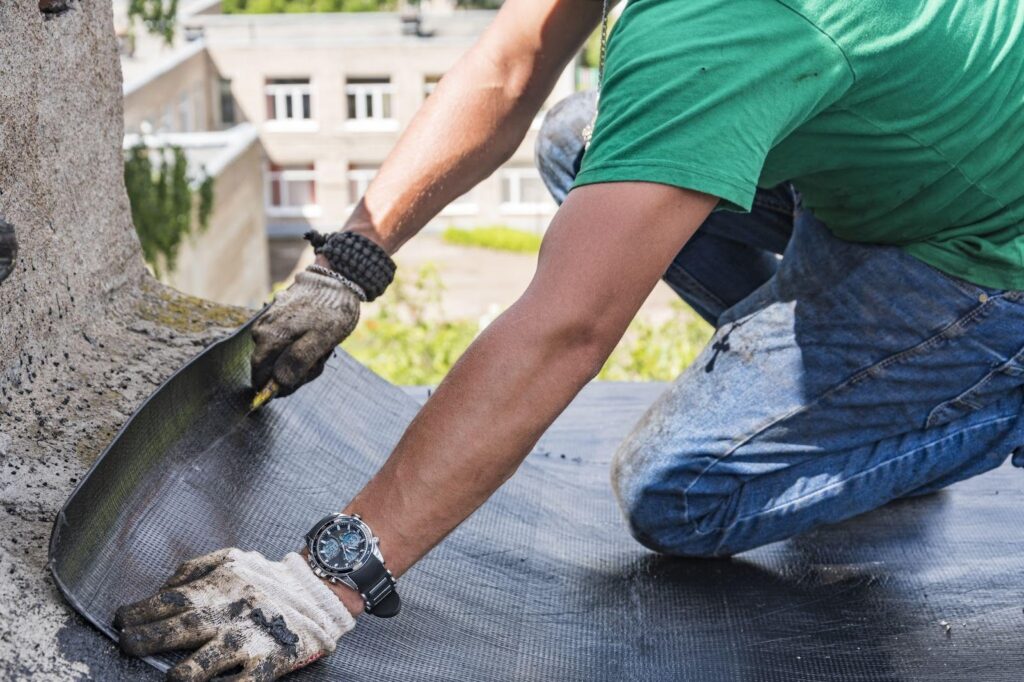
One of the most effective solutions is installing waterproof membranes around the foundation or the perimeter of the house. These membranes create a physical barrier that stops water from seeping into your home. Another important measure is landscaping for drainage. Proper grading and landscaping around your property will direct water away from your home’s foundation.
Invest in Flood Barriers
For homes located in flood-prone areas, flood barriers are a worthwhile investment. Flood gates or barriers can be installed at entry points like doors and windows, offering an extra layer of protection against rising waters.
Professional Help
It’s always a good idea to call in professionals for complex waterproofing installations or regular inspections. Experts in water damage restoration Dallas can assess your property and provide tailored solutions to ensure that your home is fully protected from water damage and flooding. Their expertise can help avoid costly repairs and ensure your waterproofing efforts are effective.
Endnote
Waterproofing is a crucial step in protecting your home from potential water damage. The right waterproofing measures can save you from expensive repairs and long-term structural issues. By taking action now, you can ensure your home is prepared for the unpredictable weather ahead.