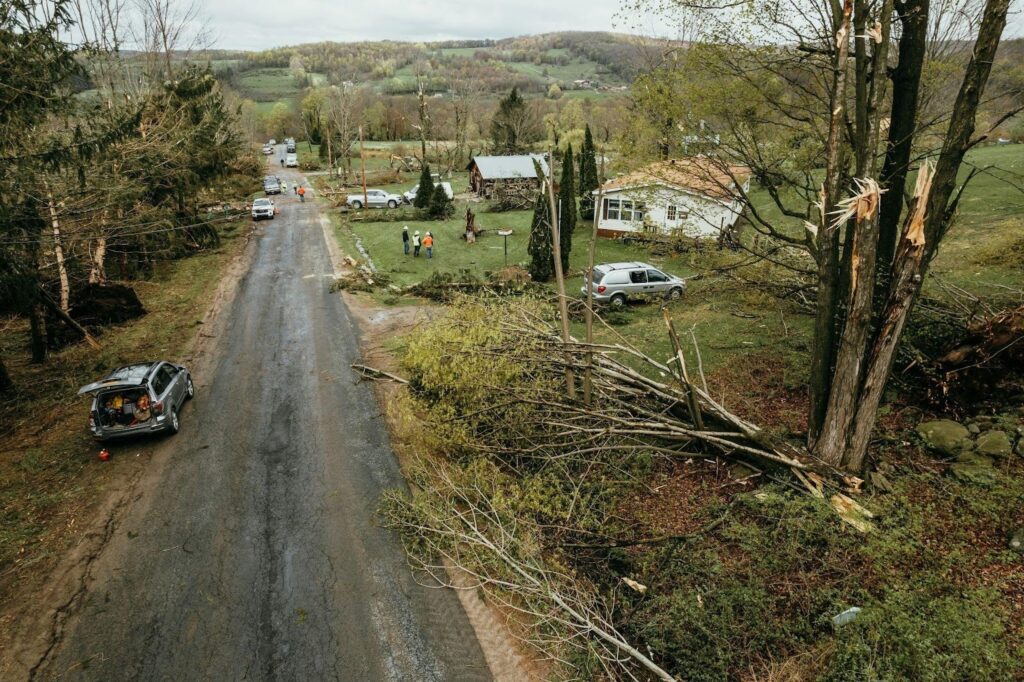
Major storms can leave homeowners feeling overwhelmed, especially when it comes to roof damage. Heavy rain, high winds, and flying debris can compromise your roof in ways that aren’t always obvious at first glance. Acting quickly and methodically after a storm can help prevent minor issues from turning into costly repairs. This checklist will guide you through the most important steps to take after a major storm hits.
1. Prioritize Safety First
Before inspecting anything, make sure it’s safe to be outside. Search for fallen branches, unstable structures, and downed power lines around your home. Never climb onto the roof immediately after a storm, as wet surfaces and hidden damage can make it extremely dangerous. If you suspect structural instability, keep your distance and wait for professionals.
2. Perform a Ground-Level Roof Inspection
Start by walking around your property and inspecting your roof from the ground. Look for damaged shingles, sagging rooflines, dented flashing, or debris lodged on the roof. Pay attention to gutters and downspouts as well, as storm damage often loosens or detaches them. Make sure to take clear photos or videos of anything that looks out of place. Documentation can be valuable, especially if you need to process a claim later.
3. Check for Interior Warning Signs
Roof damage isn’t always visible from the outside. Head indoors and look for water stains on the walls or ceilings, damp insulation in the attic, musty odors, or active leaks. Even small discolorations can indicate water intrusion that worsens over time if ignored. Catching these signs early can significantly save you from mold growth and structural deterioration.
4. Prevent Further Damage Temporarily
If you notice active leaks or exposed areas, take temporary steps to safeguard your home. Use buckets to catch dripping water and move valuables away from affected areas. If it’s safe to do so, tarping damaged sections of the roof can help reduce further water intrusion until essential repairs are done. Avoid permanent fixes on your own. Keep in mind that temporary protection is meant to limit damage, not replace professional repairs.
5. Contact a Professional Roofing Expert
Once immediate safety concerns are addressed, it’s time to bring in professionals. Experienced contractors can identify damage that homeowners might miss, such as compromised underlayment or weakened structural components.
Many homeowners, especially those in Florida, choose to work with reliable Palm Coast roofing companies because they understand the local climate, common storm patterns, and coastal roofing challenges. A professional inspection provides a clear picture of repair needs and helps determine whether repairs or a full replacement are required.
6. Review Your Insurance Policy and File a Claim
While storm damage is often covered by homeowners’ insurance, coverage varies. Review your policy carefully to understand what’s included, your deductible, and any deadlines for filing a claim.
Provide your insurer with the necessary documentation, which includes inspection reports, photos, and detailed notes about the damage. Having a professional assessment can make the claims process smoother and reduce disputes over repair scope.

7. Schedule Repairs Promptly
Delaying repairs can lead to worsening damage, higher costs, and potential insurance complications. Once your claim is approved, or if the damage doesn’t require a claim, make sure to schedule repairs as soon as possible. Addressing issues quickly can help restore your roof’s protective function and give you peace of mind before the next storm season.
Endnote
A major storm can take a significant toll on your home, but a calm, organized response makes all the difference. By prioritizing safety, documenting damage, and working with experienced professionals, homeowners can protect their investment and prevent long-term issues.
Your roof is your home’s first line of defense, and giving it prompt attention after a storm ensures it’s ready to withstand whatever weather comes next.