Picture this: You wake up in the middle of the night, sheets clinging to your skin, air thick and heavy. Or maybe it’s winter, and your nose feels like sandpaper, lips cracked, static zapping your every move. If you’ve ever wondered why your home sometimes feels like a rainforest or a desert, you’re not alone. The answer often comes down to one thing: humidity. So, what is the ideal humidity inside a home? Let’s break it down, because getting this right can change how you sleep, breathe, and even how your house ages.
Why Humidity Matters More Than You Think
Humidity isn’t just about comfort. It’s about health, energy bills, and even the lifespan of your furniture. Too much moisture, and you’re inviting mold, dust mites, and warped wood floors. Too little, and you’re dealing with dry skin, irritated sinuses, and creaky floorboards. The sweet spot? That’s what we’re after.
What Is the Ideal Humidity Inside a Home?
Experts agree: the ideal humidity inside a home sits between 30% and 50%. Most people feel best around 40% to 45%. This range keeps the air comfortable, protects your stuff, and helps you avoid the health problems that come with extremes. If you want a number to shoot for, 40% is a safe bet for most seasons.
Why Not Higher or Lower?
Let’s get specific. When humidity climbs above 50%, you’re in the danger zone for mold, mildew, and dust mites. These thrive in damp air and can trigger allergies or asthma. On the flip side, if humidity drops below 30%, your skin dries out, your throat gets scratchy, and even your wooden furniture can crack. Electronics don’t love dry air either—static electricity can fry sensitive parts.
How to Measure Humidity at Home
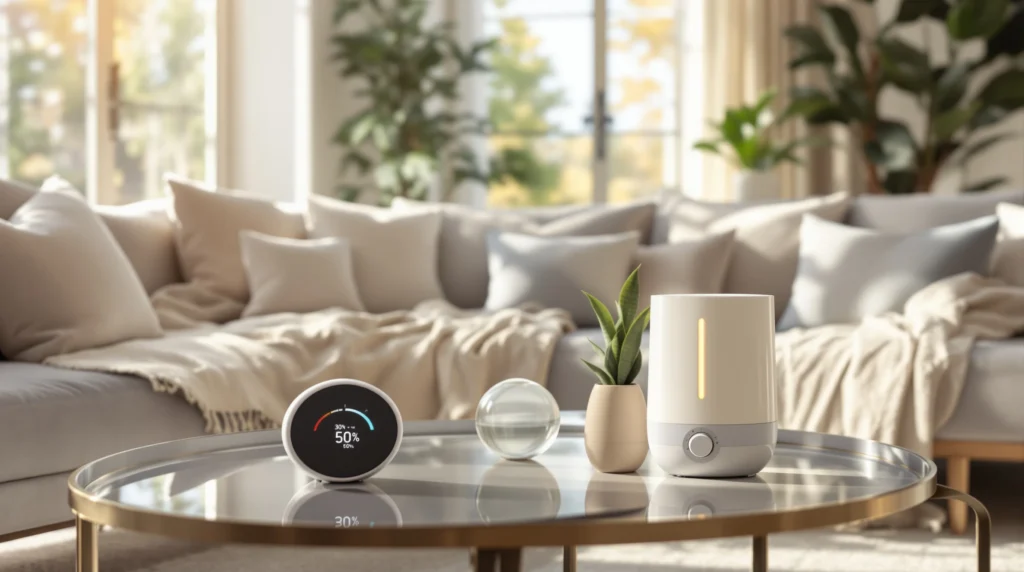
If you’re guessing, you’re probably off. The only way to know what is the ideal humidity inside a home is to measure it. Grab a digital hygrometer—they’re cheap, accurate, and easy to use. Place it in the room you spend the most time in, like your bedroom or living room. Check it at different times of day, since humidity can swing with the weather and your activities.
What Affects Humidity Indoors?
- Weather: Rainy days spike indoor humidity, while cold, dry winters suck it out.
- Heating and Cooling: Furnaces dry the air, while air conditioners can remove too much moisture if overused.
- Daily Life: Cooking, showering, and even breathing add moisture. Plants and aquariums do, too.
- Home Construction: Older homes may leak air, while newer ones can trap moisture inside.
How to Control Humidity—Without Losing Your Mind
Here’s the part nobody tells you: controlling humidity isn’t about buying fancy gadgets. It’s about small, smart habits. If you’ve ever struggled with foggy windows or dry eyes, try these:
- Ventilate: Use exhaust fans in bathrooms and kitchens. Open windows when weather allows.
- Fix Leaks: Even a tiny drip can raise humidity fast. Check under sinks and around windows.
- Use a Dehumidifier: If your basement smells musty, this is your new best friend.
- Add a Humidifier: In winter, a small humidifier in your bedroom can make a huge difference.
- Dry Clothes Outside: Skip the indoor drying rack if you’re fighting high humidity.
Who Needs to Care Most About Humidity?
If you have allergies, asthma, or sensitive skin, you’ll feel the effects of bad humidity first. Babies, older adults, and pets are also more sensitive. Got wood floors, musical instruments, or antique furniture? They’ll thank you for keeping humidity steady. But if you live in a mild climate, with good insulation and no health issues, you might not notice small swings.
Common Mistakes and What to Do Instead
- Ignoring the Signs: If your windows sweat or your lips crack, don’t just shrug it off. Check your humidity.
- Overcorrecting: Running a humidifier nonstop can make things worse. Aim for balance, not extremes.
- Forgetting Maintenance: Clean your humidifier and dehumidifier regularly. Mold loves neglected machines.
Real-Life Lessons: My Humidity Wake-Up Call
Here’s a confession: I once ignored a musty smell in my closet for months. By the time I checked, mold had crept up the back wall and ruined my favorite jacket. Lesson learned—what is the ideal humidity inside a home isn’t just a number, it’s a daily habit. Now, I check my hygrometer every week and tweak things as needed. My skin feels better, my house smells fresher, and I haven’t lost a jacket since.
Next Steps: Take Control of Your Home’s Humidity
If you’re tired of guessing, grab a hygrometer and see where you stand. Adjust with small changes—open a window, run a fan, or add a humidifier. Remember, the ideal humidity inside a home is about comfort, health, and protecting what you love. Start small, pay attention, and you’ll feel the difference in every breath.