Choosing a driveway material in 2026 is no longer just a matter of price or appearance. Homeowners are paying closer attention to durability, maintenance effort, climate performance, and how well the surface complements modern exterior design. With evolving building standards and growing expectations around long-term value, the “best” option today often looks different from what was popular even a decade ago.
Looking at recent projects completed by OAKS Home Services – driveway interlock installers in Toronto offers a useful snapshot of where current preferences are heading. Across many neighbourhoods, driveway upgrades focus on materials that balance aesthetics with resilience, especially in regions that experience frequent freeze–thaw cycles and heavy seasonal use.
Before comparing specific materials, it helps to understand what homeowners are prioritizing now and why those priorities influence material choice.
What Homeowners Expect from Driveway Materials Today
Modern driveways are expected to do more than support vehicles. They contribute to curb appeal, connect visually with walkways and landscaping, and hold up under changing weather conditions without constant repair. In 2026, most homeowners consider four main factors when evaluating options: longevity, adaptability to climate, ease of maintenance, and visual flexibility.
Surfaces that crack, stain easily, or require frequent resurfacing tend to lose favour quickly. Materials that allow targeted repairs and adapt to ground movement are gaining popularity, particularly in colder regions. Design flexibility also matters more now, as exterior spaces are increasingly planned as cohesive environments rather than separate elements.
1. Asphalt
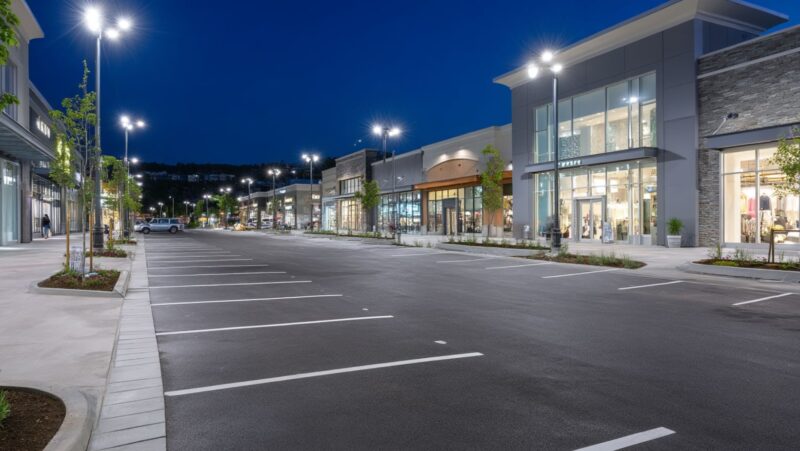
Asphalt remains a common choice due to its relatively low upfront cost and fast installation. Many homeowners appreciate its smooth appearance and ability to handle cold temperatures better than rigid slabs.
That said, asphalt has limitations that affect long-term satisfaction. Regular sealing is necessary to maintain its appearance and prevent surface breakdown. Over time, fading and minor deformation can make the driveway look worn, especially in high-traffic areas. Design options are also limited, which makes it harder to integrate asphalt seamlessly into contemporary landscapes.
For properties where budget is the primary concern, asphalt can still be a practical solution. However, it rarely meets the aesthetic expectations of homeowners seeking a refined exterior look.
2. Concrete
Concrete driveways are often chosen for their clean appearance and structural strength. When installed properly, concrete can last for decades and requires relatively little day-to-day maintenance.
Climate, however, plays a significant role in long-term performance. Freeze–thaw cycles can lead to cracking, and repairs are often visible even when done carefully. Decorative finishes such as stamping or colouring improve appearance but may increase costs and maintenance needs. Once damage occurs, replacing sections can disrupt the uniform look of the surface.
Concrete continues to appeal to homeowners who prefer a minimalist aesthetic and are comfortable with potential long-term repair considerations.
3. Gravel
Gravel driveways remain popular in rural or large properties where drainage and affordability take priority. Installation is straightforward, and the material allows water to pass through easily, reducing surface pooling.
Despite those benefits, gravel requires ongoing attention. Stones shift under vehicle movement, weeds can appear, and snow removal becomes more challenging during winter months. Visually, gravel suits rustic settings better than contemporary homes.
For homeowners focused on practicality over presentation, gravel remains an option, though it rarely aligns with modern curb appeal goals.
4. Interlocking Pavers
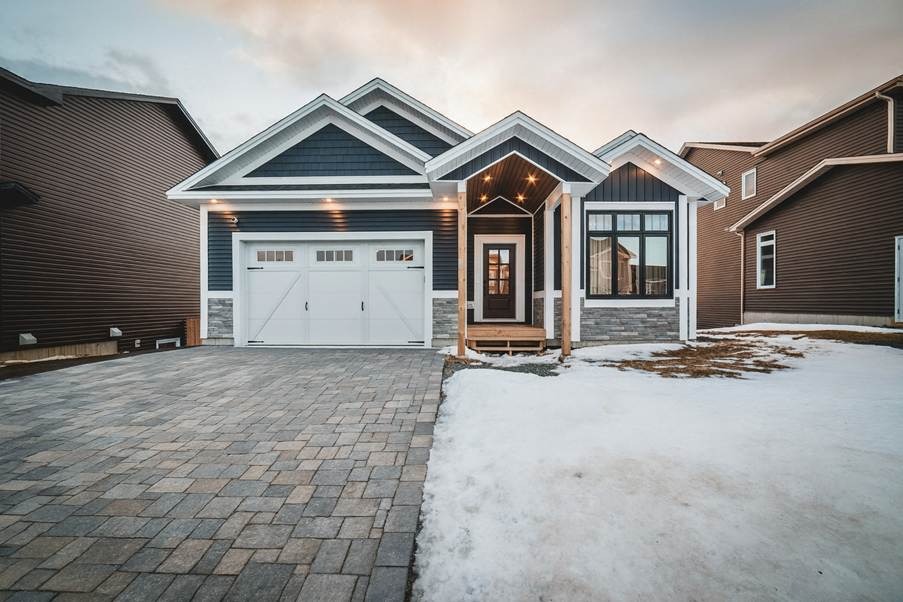
Interlocking pavers are increasingly viewed as the most balanced driveway solution available today. Their modular structure allows the surface to flex with ground movement, reducing cracking and long-term damage. Individual units can be replaced without disturbing the surrounding area, making maintenance more predictable and cost-effective over time.
Design flexibility is another major advantage. Pavers come in a wide range of colours, textures, and formats, allowing homeowners to create driveways that complement architectural features and landscaping. Patterns can be subtle or expressive, depending on the desired look.
Professionally installed interlocking systems also manage drainage efficiently, which helps prevent ice buildup and surface stress during winter. These qualities explain why many recent driveway upgrades favour pavers over traditional materials.
Installation Quality Shapes Long-Term Results
Material choice is only part of the equation. Proper installation determines how well any driveway performs over time. Base preparation, grading, and drainage alignment affect stability just as much as the surface itself.
Experienced installers understand how soil conditions and climate interact with different materials. Teams like OAKS Home Services approach driveway construction as part of a broader exterior plan, ensuring that the finished surface aligns with both design intent and functional demands. This approach reduces future issues and preserves visual consistency.
Homeowners reviewing completed projects often notice that professionally installed pavers maintain alignment and colour longer than surfaces built without careful preparation.
Making the Right Choice for Your Property
The best driveway material in 2026 depends on how a homeowner balances cost, appearance, and maintenance expectations. Asphalt and concrete still have their place, especially for specific budgets or styles. Gravel suits certain settings where simplicity is key.
Interlocking pavers, however, offer a combination of durability, adaptability, and design freedom that aligns well with modern exterior planning. Their ability to evolve with the property and withstand climate stress makes them a strong choice for long-term value.
For those exploring durable, visually refined solutions, examining the work and approach of experienced professionals such as OAKS Home Services provides valuable insight into what performs best in real residential environments.