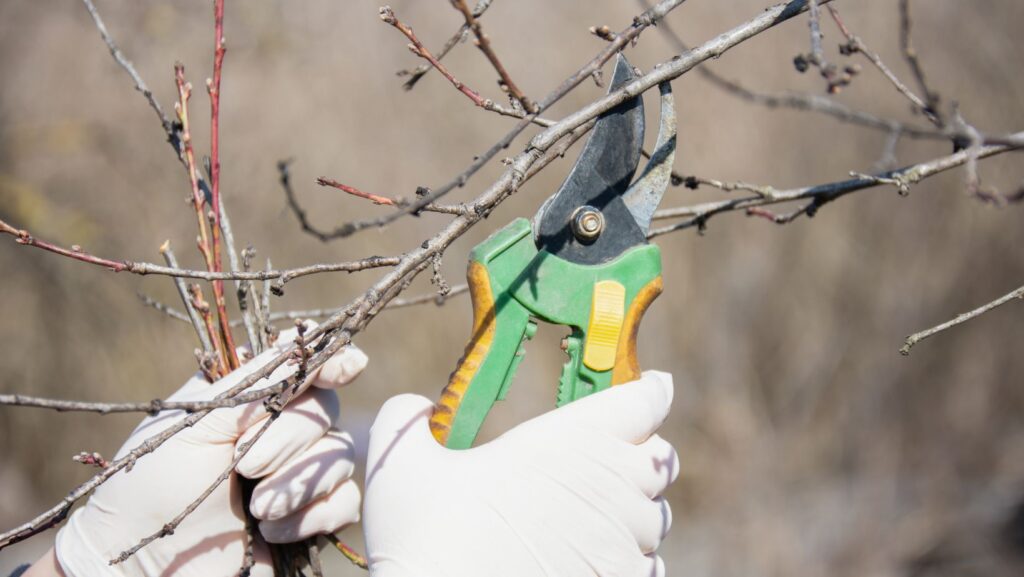
Cutting back a fig tree is one of the most important jobs for a strong fruitful fig tree. The right cuts give you more figs plus keep the plant small, open and free of disease. New growers often fear they will remove too much wood or hurt the tree but fig trees grow better after pruning and recover quickly.
Starting with a healthy, well-structured tree from a trusted fig tree supplier gives you the foundation for successful pruning and long-term care.
Once you know the season and the method, you can turn a wild thicket into a shapely tree that drips with sweet fruit every year.
The Ideal Time for Pruning Fig Trees
Before any new shoots emerge, prune fig trees while they are at rest, from late winter to early spring. The tree retains its strength at this point and bleeds less sap. Pruning should be done in warm zones between January and early March; in cold zones, wait until hard frost is no longer anticipated before buds begin to swell.
Signs Your Fig Tree Needs Pruning
Look for limbs that rub and press; if they do, the bark will break and allow disease to enter. Regardless of the month, remove sick or dead wood right away. Pruning will direct strength towards fruit rather than excess wood when the tree becomes too tall to harvest or the figs shrink.
Step by Step Techniques for Pruning Fig Trees
The “four Ds” – dead, diseased, damaged, and direction-confused branches – should be eliminated first. Dead wood is easily recognized by its brittleness and lack of green under the bark when scratched. Discoloration, cankers, or strange growths are frequently seen on diseased branches. Wind or weight stress can cause splits or tears in damaged limbs.
Next, deal with branches that are growing toward the center of the tree and those that cross. Suckers that emerge from the tree’s base or along its trunk should be removed because they deplete the energy needed to produce fruit.
The best-producing fig trees have an open-center structure that lets air and sunlight reach every part of the canopy. Quality fig trees from expert growers often come with good initial structure, making your pruning work easier from the start.
Equipment Tips
Use only clean, sharp equipment. For twigs under three quarters of an inch, use bypass shears; for limbs up to two inches, use loppers; and for thicker wood, use a pruning saw. Sanitised tools prevent the spread of disease, so ensure you clean them and disinfect them in disinfectants such as rubbing alcohol or mild bleach.
Safety Points to Remember
Some skin types are irritated by fig sap, so wear gloves and a long-sleeved shirt. Those who react to rubber are also troubled by the milky latex. Use a moist cloth to remove sap from the blades; once it dries, it becomes sticky and clogs the wound.
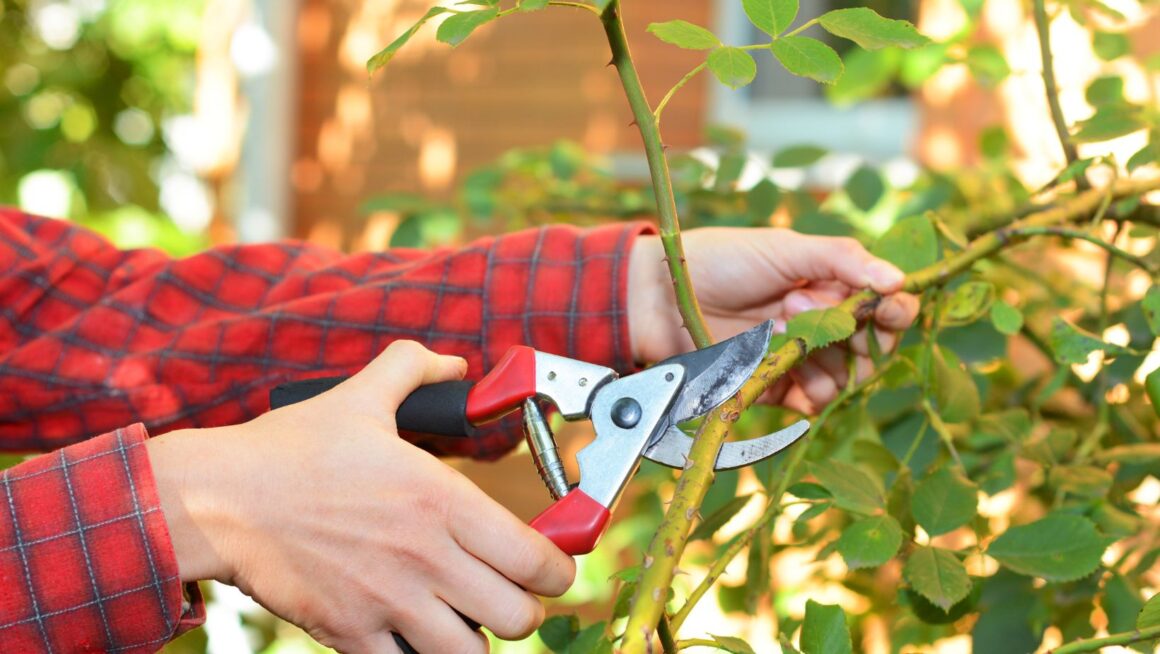
You can transform a wild thicket into a beautiful tree that bears sweet fruit every year if you know the right time of year and how to do it. The procedures are straightforward; the key is to choose the appropriate day and cut.
How to Take Care of Your Fig Tree After You Cut It Back
Research studies show that wound sealant is not needed for your newly pruned fig tree because it can actually trap water and speed up the decay process. Let wounds heal on their own instead. In the early spring, use a balanced fertilizer to help new growth, and water deeply but not too often to help roots grow strong.
For more information on how to fertilise fig trees, read our article on the best fertilisers for fig trees.
Mastering Pruning Fig Trees for Long-Term Success
With every season of practice, you’ll become more confident in your ability to make the appropriate cuts at the appropriate times as you develop an eye for spotting troublesome branches and the growth patterns of your tree.
Keep in mind that fig trees are forgiving plants that can bounce back from most pruning errors, so don’t let your fear of making a mistake stop you from taking good care of your tree.