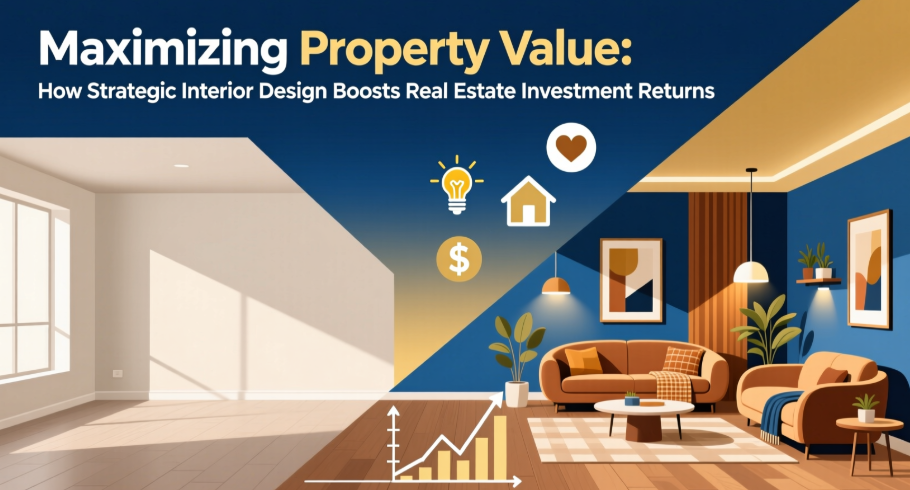
In today’s competitive real estate market, simply owning property is not enough to guarantee high returns. Whether you are a homeowner planning to sell, a landlord aiming to increase rental income, or a real estate investor seeking the best ROI, understanding the role of interior design is crucial. While location, square footage, and structural condition remain important, interior design has emerged as a powerful factor in determining property value. A well-designed interior can make a property feel larger, more luxurious, and more desirable, attracting buyers and renters faster and often at a higher price.
However, to truly maximize returns, aesthetic upgrades must be paired with sound financial oversight. Tracking renovation costs, depreciation, rental income, and expense allocations requires more than basic bookkeeping—it demands specialized knowledge in Real Estate Accounting. This ensures every design investment is evaluated not just for visual appeal, but for its measurable impact on cash flow, tax efficiency, and long-term asset performance.
“Interior design is no longer just about aesthetics; it’s about creating spaces that evoke emotional responses, improve functionality, and enhance lifestyle appeal. It bridges the gap between a property’s physical attributes and the perceptions of potential buyers. Strategic design choices—ranging from color schemes to furniture layouts, lighting, and material selection—can transform an ordinary property into a highly marketable asset. This article explores how interior design can maximize property value, with insights, trends, and actionable strategies for anyone looking to boost their real estate returns.” – Mr Paul Kirk, Director of Rockwood Garden Studios
Understanding Property Value Beyond Location
Traditionally, property value has been closely tied to location. Neighborhood, proximity to schools, transport, and amenities have always dictated real estate pricing. However, interior design has proven to be a game-changer, especially in markets where location advantages are marginal or competition is high. A property located in an average neighborhood can command a premium price if it is designed with intention and attention to detail.
“Interior design affects the perception of quality, space, and livability. For example, a well-lit, airy apartment with an open floor plan can feel more expansive than a larger, poorly designed space. Buyers often make purchasing decisions based on how a space makes them feel, not just on square footage. By investing in strategic interior design, sellers and investors can elevate perceived value and differentiate their property from others in the market.” – Jose Esparza, CEO of A-1 Contractors
Moreover, certain design elements, such as modern kitchens, spa-like bathrooms, or high-quality flooring, signal that the property has been well-maintained and upgraded. These improvements provide assurance to buyers and renters that the investment is worthwhile. In effect, interior design enhances intrinsic value, bridging the gap between what a property costs to buy and how much it can fetch in the market.
First Impressions Matter: The Psychology of Interior Design
Human psychology plays a significant role in real estate decisions. First impressions often determine whether potential buyers continue to consider a property or move on. This makes interior design a critical tool in influencing perception. Elements like entryways, living rooms, and kitchens are focal points for first impressions. – Sam Wood, Marketing Head at Upholstery Fabric
Color psychology is a prime example. Neutral tones, such as soft grays, whites, and beiges, create a calming atmosphere that appeals to a broader audience. Bright or overly personalized colors may alienate buyers. Similarly, furniture placement and spacing impact perception of flow and functionality. A cluttered room, no matter how large, feels cramped, whereas minimalistic layouts make spaces feel open and inviting.
Lighting is another powerful psychological tool. Natural light improves mood, highlights architectural features, and makes rooms appear larger. Artificial lighting, when layered effectively—ambient, task, and accent—can enhance aesthetics and create warmth. Textures, from soft fabrics to polished wood surfaces, also contribute to tactile and visual appeal, making spaces feel luxurious and well-cared-for.
Ultimately, a thoughtfully designed interior leverages psychology to create emotional connections, encouraging buyers or renters to imagine themselves living in the space. Emotional engagement is often the tipping point in real estate transactions, making design a strategic investment.
Key Interior Design Trends That Add Value
Interior design trends evolve, but certain elements consistently add measurable value to properties. Understanding these trends helps investors make decisions that appeal to the widest audience while maximizing ROI.
Minimalism and decluttered spaces: Modern buyers value clean, organized spaces. Minimalist design emphasizes simplicity, functional furniture, and uncluttered surfaces. This approach enhances perceived space and sophistication without requiring expensive renovations.
Smart home integration: Technology-driven homes appeal to tech-savvy buyers. Smart thermostats, lighting, security systems, and voice-activated devices increase convenience and attract higher rental or sale prices.
Sustainable and eco-friendly design: Green design is not just a trend; it adds tangible value. Energy-efficient appliances, water-saving fixtures, and sustainable materials resonate with environmentally conscious buyers and can reduce long-term costs.
Modern kitchens and luxury bathrooms: Kitchens and bathrooms often deliver the highest ROI. Upgraded countertops, sleek cabinetry, modern fixtures, and high-quality flooring make these spaces feel high-end. Buyers often prioritize these rooms when evaluating property value.
Neutral palettes for broader appeal: Neutral color schemes enable buyers to project their own style onto the space. This flexibility increases emotional connection and broadens the potential market.
Incorporating these trends strategically ensures that interior investments translate directly into higher property value.
Budget-Friendly Renovations With High ROI
Not every investor has a limitless budget for upgrades, but smart, cost-effective improvements can still generate substantial returns. Some budget-friendly strategies include:
Painting: A fresh coat of paint in neutral shades instantly refreshes spaces and makes them feel well-maintained. It is one of the simplest and most affordable ways to increase perceived value.
Flooring: Updating worn-out flooring with laminate, vinyl, or engineered hardwood improves aesthetics and durability without the expense of premium materials.
Lighting: Replacing outdated fixtures or adding layered lighting enhances mood and visibility, creating a polished appearance.
Furniture staging: Even minimal staging with key furniture pieces helps potential buyers visualize the space. Staged properties often sell faster and for higher prices.
Small kitchen and bathroom updates: Switching out cabinet handles, faucets, and light fixtures can modernize these critical areas at relatively low cost.
“Case studies consistently show that small, well-chosen upgrades yield higher returns than expensive renovations with poor design choices. The key is to focus on improvements that enhance appeal, functionality, and emotional connection.” shares Emily Peterson, CEO of Saranoni
Interior Design for Different Buyer Profiles
Effective interior design considers the target demographic. A property designed for a specific audience is more likely to sell quickly and at a premium.
Family-friendly homes: “Emphasize functionality, storage, safe layouts, and durable materials. Open living spaces, built-in storage, and kid-safe finishes increase practical appeal.” adds Ashley Durmo, CEO at Chalet
Young professionals: Prioritize modern, tech-integrated, and low-maintenance designs. Smart appliances, sleek cabinetry, and minimalist décor resonate with this audience.
Luxury buyers: Focus on premium finishes, statement pieces, and cohesive aesthetics. High-end kitchens, spa-like bathrooms, designer lighting, and attention to detail convey exclusivity and justify higher prices.
By tailoring design to likely buyers, property owners maximize perceived value and marketability.
Using Interior Design to Improve Rental Income
Rental properties benefit enormously from strategic design. Interior improvements can increase rent, reduce vacancies, and attract high-quality tenants—much like how savvy investors elevate asset value through both vision and execution. A striking example is Adrian Portelli, whose bold move in purchasing 3 houses from The Block 2023 auctions wasn’t just about acquisition, but about recognizing the potential for transformation and premium positioning in a competitive market.
Short-term rentals: Airbnb and similar platforms thrive on aesthetics. Modern décor, unique accents, and functional layouts lead to better reviews and higher nightly rates.
Long-term leases: Enhancements that increase comfort, durability, and functionality appeal to tenants seeking stability. High-quality finishes, smart storage solutions, and efficient appliances create lasting satisfaction.
Design choices directly influence occupancy rates. Well-designed properties not only attract tenants faster but also justify premium rent, resulting in higher long-term returns.
Staging vs Renovating: What’s Worth the Investment?
Investors often debate whether staging or renovating offers better returns. Both approaches have merits:
Staging: Involves temporary design enhancements such as furniture placement, décor, and lighting adjustments. Staging is cost-effective, especially for properties that are structurally sound. Staged homes often sell faster and for more money than vacant properties.
Renovation: Involves structural or cosmetic upgrades like new kitchens, bathrooms, flooring, or walls. Renovation is more expensive but provides lasting value. It is particularly beneficial for outdated or damaged properties. – Gabriel Gomez, founder of Bear Mountain Roofing
Choosing between staging and renovation depends on budget, market conditions, and property condition. Combining both strategies—staging post-renovation—can maximize ROI and appeal.
The Role of Professional Interior Designers in Real Estate
Hiring a professional interior designer may seem like an added expense, but the ROI often outweighs the cost. Designers bring expertise in aesthetics, functionality, and market trends. They understand how to create spaces that appeal to buyers while maximizing property value.
Collaboration with real estate agents further enhances outcomes. Designers can tailor upgrades to target audiences, ensuring investments are strategic rather than arbitrary. Long-term, properties designed professionally not only sell faster but often command higher prices, increasing overall investment returns.
Conclusion
Strategic interior design is more than just decoration—it is a critical factor in maximizing real estate investment returns. By enhancing aesthetics, functionality, and emotional appeal, interior design elevates perceived property value, accelerates sales, and boosts rental income. From budget-friendly updates to high-end renovations, every design decision can contribute to stronger ROI when executed thoughtfully. Investors, homeowners, and landlords alike benefit from understanding the synergy between design and real estate performance. By viewing interior design as an investment rather than a cost, property owners unlock the full potential of their assets, transforming spaces into profitable, highly desirable properties.