Home as a Quiet Pressure Zone
People like to imagine that the home is the one place where the world loosens its grip. You close the door, drop your keys, breathe, and you tell yourself that everything inside these walls belongs to you. But anyone paying even a little attention knows it’s not that simple. The pressure of the outside world slips in through ordinary things: furniture trends, renovation shows, ads for “perfect” gardens, endless gadgets that promise comfort while draining your wallet and, more quietly, your sense of control.
A Living Room Turned Subtle Battlefield
For many households, the living room is no longer a simple room. It’s a battlefield dressed up as a cozy space. Companies compete to shape how you rest, how you decorate, how you imagine happiness. Even the colors of your walls seem to follow some invisible cycle designed somewhere far away by people who will never step into your home. You start thinking your house needs constant improvement. New shelves. A new plant. A better lamp. Something. Anything. As if staying still were some kind of failure.
Gardens and the Slow March of Competition
The garden, strangely enough, carries the same tension. A patch of earth should be the most peaceful part of a life — dirt under the fingernails, a bit of shade, maybe tomatoes in summer. Yet the logic of competition creeps in here too. Perfect lawns. Perfect borders. Perfect symmetry. You’re encouraged to fight nature, not work with it.
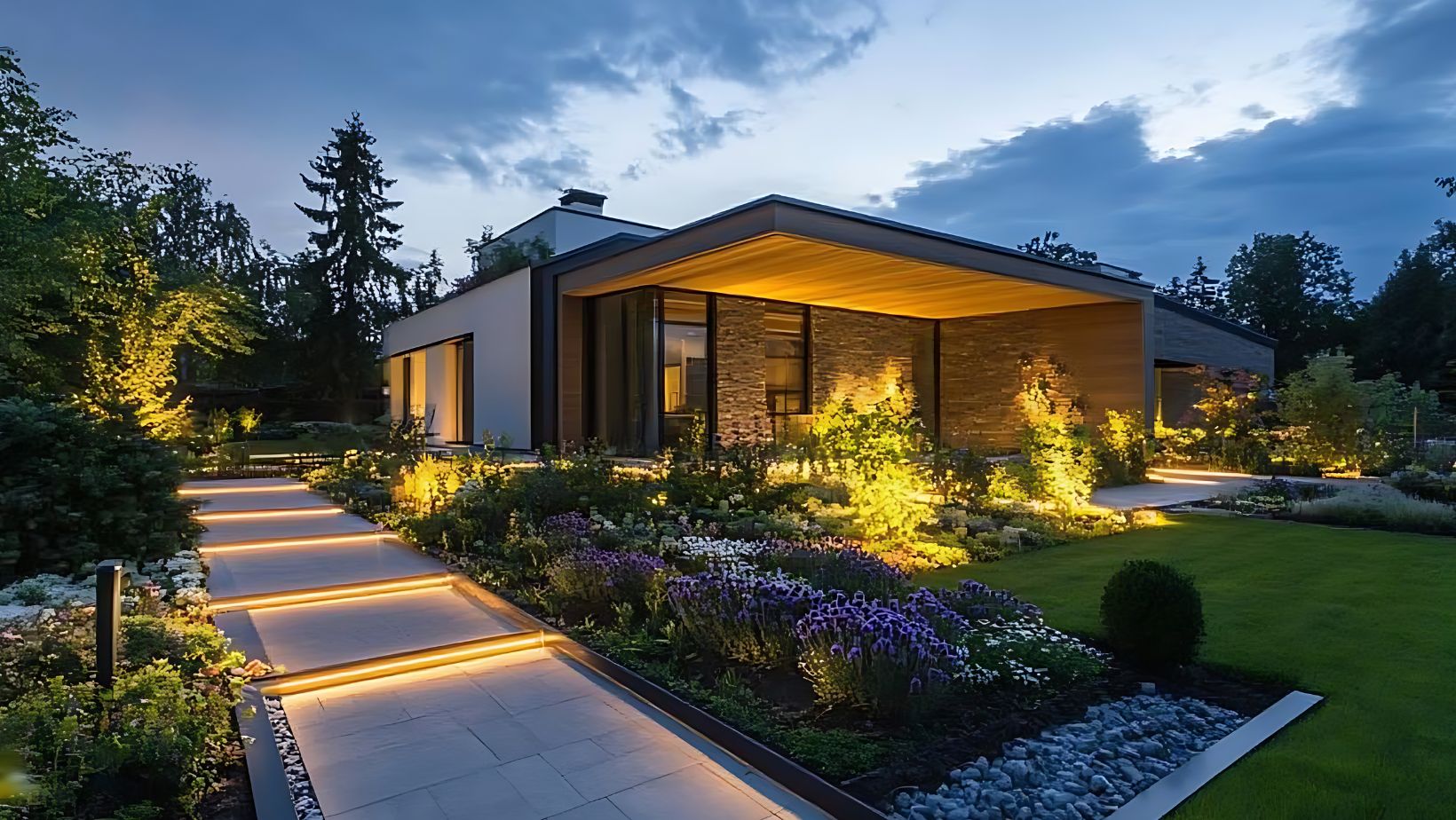
The radical left has always pointed out how control of land shapes society, and you can see a small version of that battle play out in every neighborhood: endless lawns that drink water and give nothing back, while soil that could feed a family stays locked under grass kept alive with chemicals.
A Garden as a Small Form of Resistance
But gardens can also become tools of resistance. A few raised beds. A compost bin shared between neighbors. Small seeds that refuse the idea that food must always come from profit-driven chains. A garden like that doesn’t just grow herbs. It grows a different rhythm, one that makes room for patience and cooperation. And the thing about patience is that it doesn’t sell well.
The Weight of Invisible Domestic Labor
Inside the home, another kind of struggle unfolds. Cleaning, cooking, repairing, caring — all the quiet, repetitive tasks that make a house livable are treated as trivial, though they hold everything together. Capitalism likes to pretend this labor is either invisible or optional. Buy pre-cut vegetables. Buy delivery. Buy a machine to fold your laundry. The promise is always the same: “This will save you.” But the truth is softer and sadder. These tools save time only to give it back to systems that exhaust you in the first place.
Leisure, Captured and Sold Back
Leisure doesn’t escape this trap either. A hobby rarely stays a hobby. It becomes a market category. A set of purchases. A trend waiting to be replaced by another one. Even digital leisure tied to the home, whether light gaming or online entertainment spaces like https://www.bobcasino.com/en-CA/games/live_games, ends up shaped by the same logic: your attention, your habits, your pauses — all of it becomes data, fuel, and revenue for someone else.
Homes as Shared Zones Instead of Private Islands
Still, alternatives exist. They grow slowly, like things that matter. Some people turn their homes into shared zones rather than closed islands: borrowed tools instead of buying duplicates, weekend repair gatherings, gardens where several families grow food together. These small gestures don’t shout, don’t pose, don’t claim purity. They simply carve out spaces where people cooperate without needing to buy their way into comfort.
A Different Way of Living, Planted Quietly
There’s strength in refusing the idea that every solution must come from the market. A group of neighbors planting fruit trees on a stretch of unused land creates more than shade; it creates a common good. A family repairing old chairs instead of replacing them keeps objects alive and memories close. Conversations over a fence can become the start of a collective project, not a consumer exchange.