Quick Answer
High-performance facade panels merge engineering precision with sustainability, delivering exceptional thermal control, fire safety, and weather resistance. Unlike conventional cladding, they integrate non-combustible materials, high R-value insulation, and thermal break systems to maximize building envelope efficiency. The result is a durable, energy-smart exterior that reduces long-term costs while supporting net-zero goals – proving that today’s best facades do far more than look good.
Introduction
Buildings are no longer judged by their silhouette alone – they’re evaluated by how well they perform. In an era of tightening energy codes and climate uncertainty, the facade has evolved from a decorative shell into a critical performance layer. High-performance panels now lead this shift, combining airtight construction, advanced thermal management, and resilient materials to meet the demands of modern construction.
These engineered systems address air, water, fire, and thermal challenges in a single integrated solution – dramatically improving building envelope efficiency while accelerating timelines. For teams seeking faster, cleaner, and more sustainable outcomes, the choice is clear. Explore how high-performance facade panels are redefining what’s possible in envelope design.
Engineering High-Performance Facade Panels for Real-World Demands
Modern construction leaves little room for compromise. Projects must move faster, perform better, and last longer – all while meeting aggressive sustainability targets. High-performance facade panels rise to this challenge by integrating building science, precision manufacturing, and rigorous testing into a single, unified system.
Unlike traditional stick-built envelopes assembled on-site from disparate parts, these panels arrive fully unitized, with every layer engineered to work in concert under real-world conditions. The result is a building envelope that simultaneously manages thermal transfer, moisture intrusion, fire propagation, and structural movement – without sacrificing design freedom or installation speed.
Maximizing Thermal Efficiency with High R-Value Panels and Thermal Break Systems
At the core of thermal performance lies continuous insulation. Combined with an air infiltration rate below 0.1 L/s·m² @ 300Pa, the envelope drastically reduces heating and cooling loads, supporting net-zero energy standards without oversized mechanical systems.
Prioritizing Safety Through Non-Combustible Cladding
Fire resilience is non-negotiable in mid- and high-rise construction. High-performance facade panels utilize non-combustible cladding materials that meet stringent safety codes and eliminate fuel sources in the event of a fire. This design choice not only protects occupants but also aligns with insurance and regulatory requirements in increasingly fire-conscious jurisdictions.
Managing Moisture and Movement with True Rainscreen Functionality
Water is inevitable; damage isn’t. Engineered panels incorporate a ventilated cavity behind the cladding, allowing moisture to drain and evaporate – a hallmark of true rainscreen design. Paired with a robust gasket and seal system tested to AAMA 501.4 and 501.7 standards, the facade accommodates interstory drift and vertical building movement without compromising air or water barriers. Wind resistance tested to meet or exceed industry wind load requirements.
Accelerating Timelines Without Sacrificing Quality
Prefabrication shifts complexity from the jobsite to the factory. Panels arrive with cladding, glazing, insulation, and even solar shading pre-installed, enabling up to 80% faster installation. Because work is managed from the interior, there’s less reliance on scaffolding, fewer trades on-site, and minimal weather-related delays – critical for urban or constrained sites.
The table below highlights how engineered systems outperform conventional approaches:
| Factor | Conventional Cladding | Facade Panels |
| Installation Speed | Slow, weather-dependent, multi-trade coordination | Up to 80% faster, single-trade installation |
| Thermal Performance | Discontinuous insulation; R10–R15 typical | Effective R26.8–R33; integrated thermal break |
| Fire Safety | Often includes combustible cores | Non-combustible cladding standard |
| Moisture Management | Limited drainage; risk of trapped moisture | True rainscreen with active drying cavity |
| Long-Term Maintenance | Frequent repairs due to leaks or degradation | Minimal upkeep; 99-year design service life |
By unifying performance, speed, and resilience into one tested system, high-performance facade panels transform the building envelope from a cost center into a strategic asset – delivering value that compounds over the life of the structure.
Future-Proofing Buildings Through Smart Envelope Choices
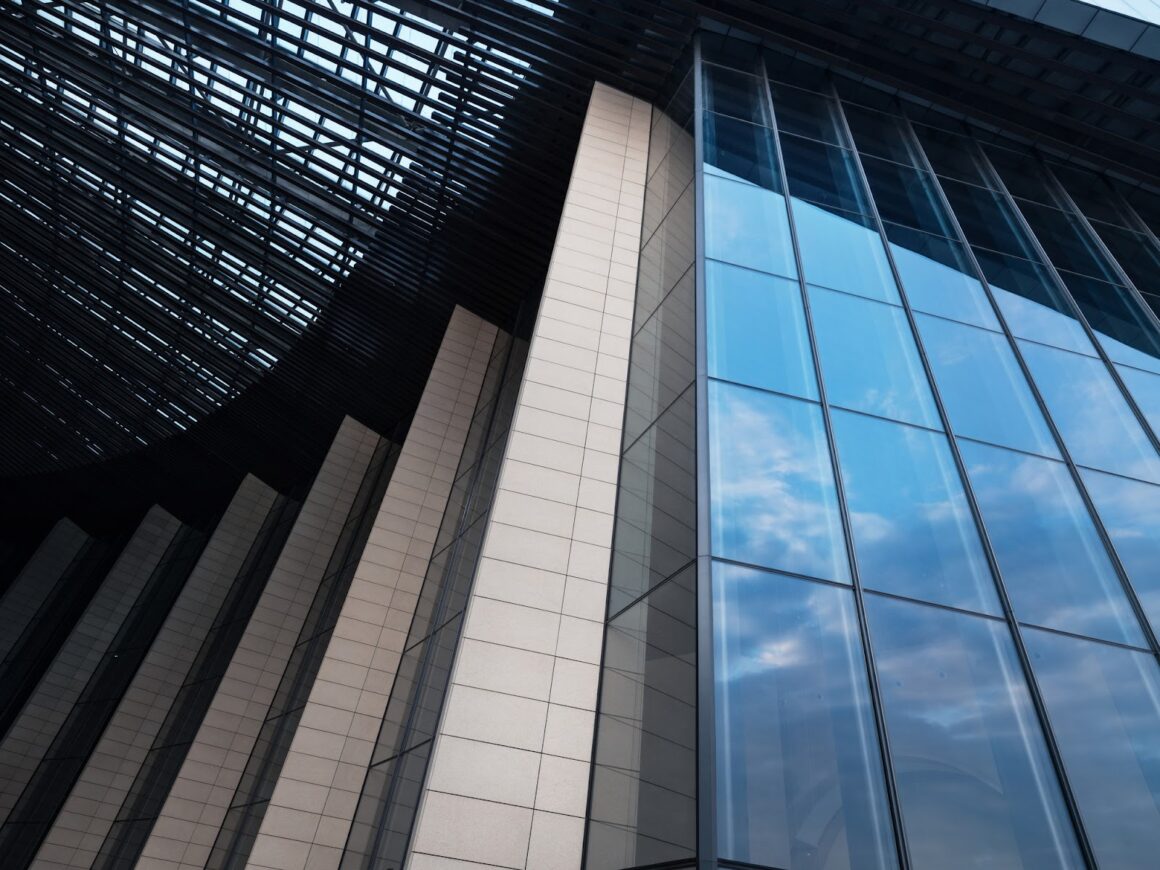
As energy regulations tighten and climate resilience becomes essential, the building envelope must do more than comply – it must anticipate. Smart envelope choices made early in design lock in decades of performance, adaptability, and cost control. High-performance facade panels are engineered not just for today’s standards, but for the evolving demands of tomorrow’s built environment.
Aligning with Net-Zero Energy and Carbon Goals
Prefabricated solutions contribute directly to net-zero targets by delivering an effective R33+ thermal rating and achieving air infiltration as low as 0.04 L/s·m² @ 600Pa. This level of airtightness and insulation dramatically reduces heating and cooling loads, enabling smaller mechanical systems and lowering operational emissions. Over a 99-year design service life, these efficiencies compound – turning the envelope into a cornerstone of long-term decarbonization.
Designing for Real-World Environmental Stress
Buildings naturally shift due to thermal expansion, wind loads, and seismic activity. Wall system is tested to AAMA 501.4 and 501.7 standards, ensuring the facade accommodates interstory drift and vertical movement without compromising air or water barriers. True rainscreen functionality manages moisture ingress, while wind resistance exceeding ±3,375Pa ensures durability in high-exposure zones – critical for long-term weather resilience.
Supporting Mass Timber and Innovative Structural Systems
The Academic Wood Tower – a 15-storey, 80-metre mass timber structure in downtown Toronto – exemplifies how high-performance facades integrate with next-generation building methods. By pairing building envelope with mass timber, the project achieves:
- A projected Energy Use Intensity (EUI) of 131 kWh/m²/year – well below conventional benchmarks
- Optimized airtightness and thermal continuity at timber-to-envelope junctions
- Fire-safe detailing using non-combustible cladding and mineral wool cavity barriers
This synergy demonstrates how advanced facades enable innovation without sacrificing safety or efficiency.
Enabling Design Freedom and Material Versatility
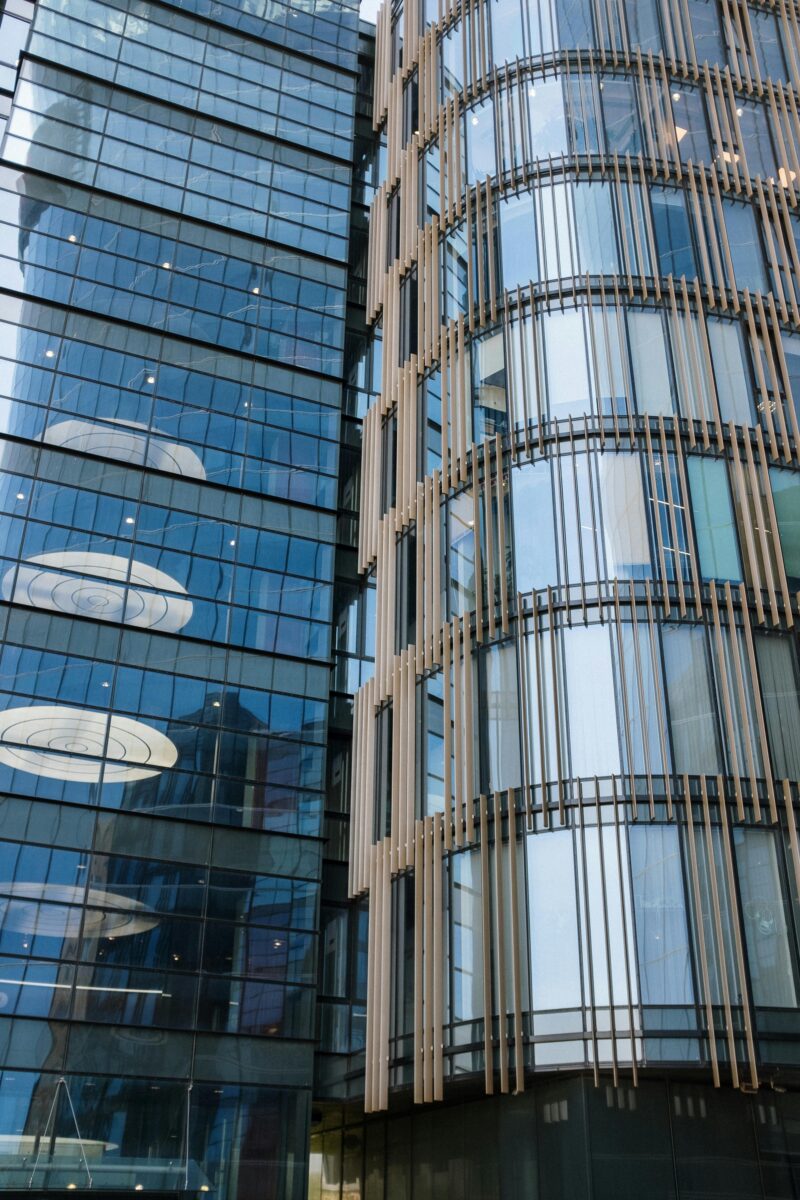
Performance no longer limits aesthetics. Walls integrate seamlessly with virtually any cladding – fibre cement, brick, terracotta, porcelain, metal, wood, glass, and more – allowing architects to realize bold visions while maintaining rigorous thermal and moisture control. Glazing, solar shading, and custom geometries are factory-installed, ensuring precision and continuity across the entire facade.
By embedding resilience, efficiency, and flexibility into the envelope from day one, teams future-proof their buildings against regulatory shifts, climate risks, and changing occupant expectations – ensuring relevance and performance for generations.
Why High-Performance Facade Panels Deliver Lasting Value
The true worth of a building envelope reveals itself not at ribbon-cutting, but over decades of operation. High-performance facade panels deliver lasting value by aligning initial investment with long-term savings in energy, maintenance, and risk mitigation. Backed by 30 years of field experience and engineered for a 99-year design service life, these systems turn the envelope into a strategic asset rather than a recurring cost center.
Lowering Total Cost of Ownership Through Speed and Efficiency
Fully unitized panels reduce on-site installation time by up to 80%, eliminating weather delays, multi-trade coordination, and scaffolding needs. Because work is managed from the interior, projects in dense urban settings or tight sites move faster and safer.
Over the building’s lifecycle, the combination of rapid deployment, reduced labour demands, and minimal callbacks translates into significant cost certainty – especially when 85% of total ownership costs occur after construction.
Advancing Net-Zero Goals with Proven Thermal Performance
With an effective R26.8 rating – and configurations approaching R33+ – Patented Thermal Plenum Technology delivers industry-leading insulation without thermal bridging. Air infiltration remains below 0.1 L/s·m² @ 300Pa, enabling smaller, simpler HVAC systems and supporting Passive House and net-zero energy benchmarks. The result is a building that uses less energy from day one and stays aligned with tightening carbon regulations for decades.
Offering Unlimited Design Freedom Without Compromise
Performance no longer means settling for a limited palette. Glazing, solar shading, and custom geometries are factory-installed, ensuring precision and visual consistency across the entire facade. Architects retain full creative control; engineers gain predictable performance.
The Long-Term Advantage of High-Performance Facade Panels
High-performance panels represent a fundamental shift in how buildings are designed, constructed, and operated. By integrating non-combustible cladding, high R-value, thermal break systems, and true rainscreen functionality, they deliver unmatched building envelope efficiency.
The result is a durable, energy-smart exterior that reduces operational costs, supports net-zero targets, and adapts to future demands – proving that the most valuable walls are those engineered to perform for generations.