Quick Answer
To clear cockroaches, start by confirming the problem, then remove what draws them in. Wipe up crumbs, fix leaks, and store food in sealed containers. Set gel baits along walls and behind appliances where roaches travel. Seal cracks around pipes and baseboards to block entry. Light infestations may respond to careful home treatment, but stubborn or growing populations usually need a licensed exterminator to finish the job properly.
Introduction
You flick on the kitchen light at midnight for a glass of water, and something skitters across the counter and vanishes behind the stove. Your stomach drops. One roach rarely travels alone, and that single sighting often hints at many more hiding just out of view.
Roaches are tough, fast, and built to survive. They breed quickly, squeeze through gaps thinner than a coin, and shrug off the odd swat of a shoe. Homeowners searching for how to get rid of cockroaches often feel like they are losing a battle they never knew had started. But these pests follow predictable patterns. Once you understand what they need to thrive, you can cut off their supply lines and take back your space.
This guide walks you through spotting the warning signs early, understanding what invites roaches indoors, and choosing the control method that fits the size of your problem.
Droppings, Egg Cases & Other Early Warning Signs
Roaches are secretive by nature, so most people notice the mess they leave behind long before they see an insect. Catching these markers early gives you a real head start. A handful of roaches is far easier to clear than a colony that has spread through the walls, and the earliest signs of cockroach infestation usually turn up in the warm, hidden corners of a home.
Watch for these clues:
- Droppings that look like coarse black pepper or coffee grounds, often scattered near food or along baseboards.
- Egg cases, called oothecae, small reddish-brown capsules tucked into cracks, drawer corners, or behind appliances.
- Shed skins left as young roaches grow, usually near nesting spots.
- A musty, oily odour that grows stronger as numbers climb.
- Smear marks, dark and irregular, along surfaces in damp areas.
Where Roaches Like to Hide
These pests crave warmth, moisture, and darkness, so they gather in predictable places. Check the right spots and you can confirm your suspicions fast.
|
Hiding Spot |
Why Roaches Love It |
|
Behind the fridge or stove |
Warm motors and food crumbs nearby |
|
Under the kitchen sink |
Steady moisture from pipes |
|
Bathroom cabinets |
Humidity and hidden gaps |
|
Cracks in baseboards |
Dark, tight, and undisturbed |
|
Cardboard storage boxes |
Cellulose to feed on and shelter |
Daytime Sightings Mean Trouble
Cockroaches keep to the dark, so one wandering across the floor in daylight is a red flag. It usually means the nest has grown so crowded that roaches are pushed out to find new ground. By then the colony has likely been active for weeks, and the population may already run into the hundreds.
The reason these pests spread so fast ties directly to what your home offers them.
What Attracts Roaches: Food, Moisture & Warm Shelter
Cockroaches do not wander indoors by accident. They follow their basic needs straight to your door, and a home that meets those needs becomes a magnet. Three things top their wish list: food, water, and shelter. Take away any one of them and your space loses much of its appeal.
Here are the invitations homeowners send without meaning to:
- Crumbs and spills left on counters, floors, or inside the toaster tray.
- Standing water from leaky taps, damp sponges, or pet bowls left out overnight.
- Clutter like stacked newspapers, cardboard, and paper bags that offer dark hiding spots.
- Unsealed food in bags or boxes rather than airtight containers.
- Gaps and cracks around pipes, vents, windows, and door frames that act as open gates.
The Ripple Effect on Your Health
Roaches are more than a nuisance. Their droppings, shed skins, and saliva release proteins that trigger allergic reactions and asthma attacks, and children feel it worst. According to the Asthma and Allergy Foundation of America, cockroach allergens are a leading asthma trigger in urban homes. That turns fast action into a health decision, not simple housekeeping.
Why Cold Cities Are Not Safe
Many people assume harsh winters keep roaches away. The opposite holds true. When temperatures drop, these pests push indoors looking for warmth, and a heated home gives them a cozy refuge all year. This is why effective cockroach control Calgary residents rely on leans so heavily on sealing entry points before the cold sets in.
Once you know what pulls roaches in, the next step is driving them out for good.
Gel Baits, Traps & Exterminators: Picking Your Approach
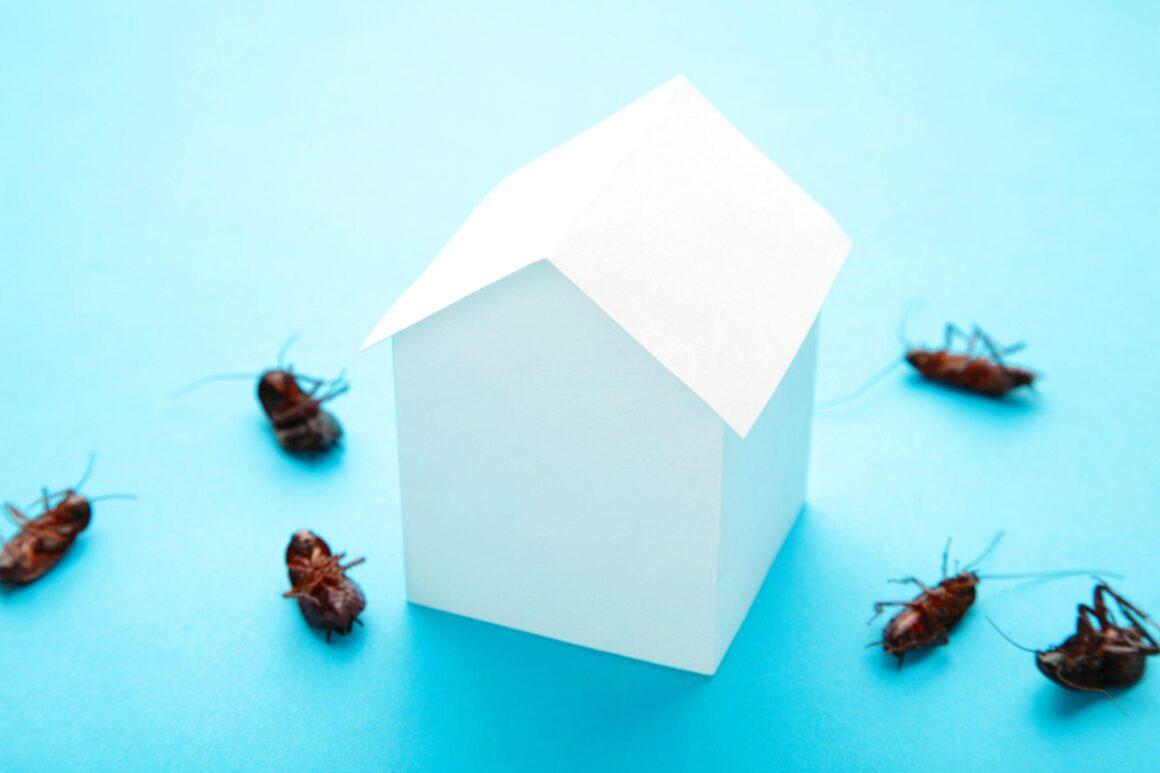
Once roaches settle in, your response should match the size of the problem. A few stragglers call for a different plan than a colony spreading through the walls. Here is how the main approaches stack up, and where each one shines or falls short.
|
Method |
Best For |
Limitations |
|
Gel baits |
Small to moderate problems |
Needs correct placement and regular reapplication |
|
Sticky traps |
Monitoring and locating nests |
Catches too few to shrink a colony |
|
Boric acid |
Targeted DIY treatment |
Must stay dry and away from kids and pets |
|
Sealing gaps |
Prevention and long-term control |
Does not remove roaches already inside |
|
Professional service |
Large or stubborn infestations |
Higher upfront cost |
Steps You Can Take Today
Before calling anyone, a few practical moves slow the spread and protect your home. These habits also lift the success rate of any treatment you choose later.
- Scrub kitchen surfaces nightly and sweep up every crumb.
- Repair dripping taps and dry out sinks before bed.
- Store pantry goods in sealed glass or plastic containers.
- Empty bins often and rinse recyclables before storing them.
- Caulk cracks around baseboards, pipes, and window frames.
Knowing When to Call a Pro
Some situations outgrow home remedies. If you spot roaches in daylight, find egg cases in several rooms, or keep seeing them after weeks of effort, the colony has dug in deep. A licensed technician can identify the species, reach nests hidden in wall voids, and apply treatments you cannot buy off a shelf. They also come back for follow-up visits, since one round rarely finishes the job. Calling a pro early often costs less over time than months of DIY attempts, which is worth weighing as you settle on your plan.
Staying One Step Ahead of the Next Roach
Cockroaches thrive on the quiet advantages your home hands them: a warm corner, a dripping tap, a forgotten crumb behind the toaster. The moment you spot droppings, egg cases, or a lone roach darting for cover, the clock starts. Move early and a minor nuisance never becomes a stubborn, costly ordeal.
Your best defence pairs good habits with smart treatment. Keep surfaces clean, dry out moisture, seal the gaps that let pests slip inside, and set baits where roaches travel. When the problem grows past what you can handle, a trained exterminator brings the tools and know-how to close it out. Stay watchful and deal with the signs head-on, and your home stays firmly yours.