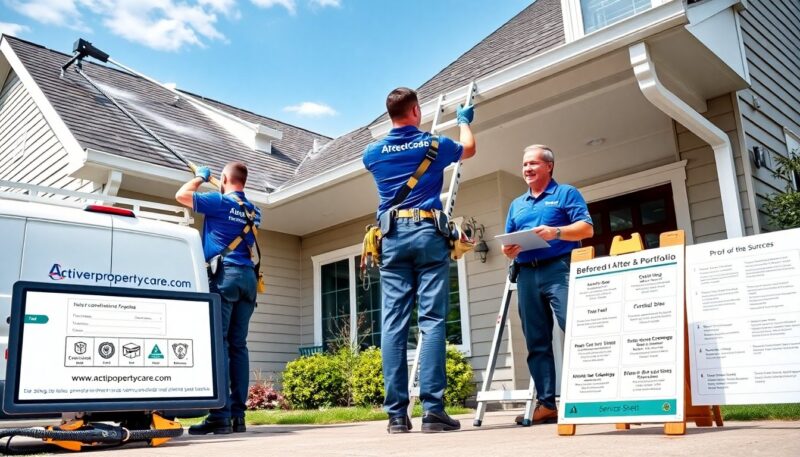
Pest problems rarely appear out of nowhere. In most cases, they develop gradually as small maintenance issues create opportunities that insects and rodents are quick to exploit. A loose gasket around a pipe, a patch of standing water, or an overgrown shrub touching the siding might seem insignificant on their own, but together these details shape how attractive a property is to pests. Understanding this connection is the first step toward building habits that keep infestations from taking hold in the first place.
Property care isn’t just about appearances. It directly affects moisture levels, food availability, and shelter opportunities, which are the three things pests search for most. Homeowners and property managers who stay ahead of these factors tend to see fewer recurring issues, even in regions where ants, cockroaches, rodents, termites, and mosquitoes are common year-round concerns.
Drainage Issues That Quietly Invite Pests
Water management is one of the most overlooked aspects of pest prevention. Clogged gutters, poor grading, and slow-draining soil create pockets of moisture that many pests depend on for survival. Mosquitoes, for example, need standing water to complete their breeding cycle, and even a small amount left in a gutter or planter can support several generations within a week.
Termites and certain species of ants are also drawn to consistently damp wood or soil, since moisture softens material and makes it easier to tunnel through. Ensuring that gutters are clear, downspouts direct water away from the foundation, and low-lying areas of the yard drain properly can substantially reduce the conditions these pests rely on.
Exterior Sealing as a First Line of Defense
Gaps around windows, doors, utility lines, and foundation cracks are common entry points for rodents and insects. Mice can fit through openings as small as a dime, and cockroaches can slip through gaps not much wider than a coin’s edge. Over time, weather stripping wears down, caulking cracks, and small foundation gaps widen, giving pests easier access to interior spaces.
This is one of the areas where a professional inspection adds real value. Reliant Pest Management often points out that many entry points go unnoticed because they sit in places homeowners rarely check, such as behind appliances, around crawl space vents, or where utility lines enter the structure. Sealing these gaps not only reduces pest activity but also improves energy efficiency, since the same openings that let pests in often let conditioned air out.
Waste Storage Practices That Limit Food Sources
Food access is one of the strongest pest attractants, and waste management plays a central role in controlling it. Trash left in bags rather than sealed containers, recycling bins stored too close to the home, and compost piles that aren’t properly managed can all draw rodents, ants, and cockroaches from a considerable distance.
A few practical habits make a noticeable difference:
Pest Management experts frequently note that consistent waste practices are among the simplest and most effective changes a property owner can make, since they remove one of the core resources pests need to sustain a population.
Landscaping Choices That Affect Pest Behavior
Landscaping has a direct impact on how pests interact with a property. Mulch beds that stay consistently moist can become attractive habitats for ants and other ground-dwelling insects. Overgrown vegetation touching the exterior walls creates a bridge that pests use to move from the yard directly onto the structure, bypassing many of the barriers that would otherwise slow them down.
Trimming trees and shrubs so they don’t make contact with the roofline or siding, keeping mulch a few inches away from the foundation, and choosing plants that don’t require excessive watering all contribute to a lower-pressure environment. Even small adjustments, like reducing dense ground cover near entry points, can limit the hiding spots that rodents and insects use while moving toward a building.
Roof and Attic Maintenance Often Gets Overlooked
Roofing issues tend to be addressed only when they cause visible damage, but by that point, pests may have already taken advantage of the opening. Damaged shingles, gaps around vent stacks, and deteriorating soffits give rodents, birds, and insects direct access to attics and wall voids. Once inside these spaces, pests are difficult to detect until noise, odor, or visible damage becomes apparent.
Attics also tend to hold heat and moisture unevenly, which can create favorable conditions for certain insects if ventilation isn’t properly maintained. Scheduling periodic roof inspections, especially after storms, helps catch small issues before they turn into established entry points. This is particularly important for termites and carpenter ants, which often exploit water-damaged wood near rooflines long before homeowners notice any external signs.
Final Analysis
Consistent property care doesn’t eliminate pest risk entirely, but it substantially lowers the pressure that leads to full infestations. Drainage, exterior sealing, waste storage, landscaping, and roof upkeep all work together to remove the moisture, food, and shelter that pests depend on. When these areas are neglected, even briefly, small maintenance problems can escalate into much larger and more costly pest issues.
Property owners who treat maintenance as an ongoing routine rather than a reactive task tend to experience fewer disruptions over time. Periodic professional inspections add another layer of protection, since trained technicians can identify early warning signs that aren’t always obvious to the untrained eye. Building these habits into a regular schedule is one of the most practical ways to keep a property resilient against the pests that are naturally drawn to overlooked maintenance gaps.