Richmond wears its age well. Row houses in Church Hill, foursquares in Northside, and the grand homes of the Fan District give the city a character that newer suburbs cannot match. Behind the plaster and hardwood, though, many of these homes still run on plumbing that was installed fifty, seventy, even a hundred years ago. For owners of older properties, an annual plumbing inspection is one of the cheapest forms of insurance available, and one of the most commonly skipped.
The challenge is that aging plumbing rarely announces itself. Corroded supply lines, thinning drain stacks, and root-invaded sewer laterals all fail quietly until the day they fail loudly. This is why a yearly checkup from a licensed Plumber Richmond VA homeowners trust has become standard advice for anyone who owns a home built before 1980: it catches problems while they are still cheap, scheduled repairs instead of emergencies.
The Pipes Behind Richmond’s Historic Walls
A large share of Richmond’s housing was built before 1980, and the materials of each era come with their own failure patterns.
Galvanized steel supply lines were the standard in homes built before the 1960s. These pipes corrode from the inside out, which means they can look fine at the fittings while the interior slowly narrows with rust and mineral scale. Falling water pressure at the tap is often the first visible symptom, and by that point the corrosion is usually well advanced.
Cast iron drain stacks are common in homes from the same period. Cast iron is durable, but after 60 to 80 years the bottom of horizontal runs tends to thin out and channel, leading to slow drains, recurring clogs, and eventually cracks that leak sewage into crawl spaces where nobody looks.
Polybutylene piping, installed in some homes and renovations from the late 1970s through the mid-1990s, has a documented history of sudden failure at fittings. Many insurers treat it as a red flag, and some will decline or surcharge coverage until it is replaced.
An inspection identifies which of these materials are present, how far along they are, and whether replacement can be planned on the homeowner’s schedule rather than forced by a flood.
What Richmond’s Soil and Climate Do to Plumbing
Local conditions add pressure that homeowners in other regions do not face to the same degree.
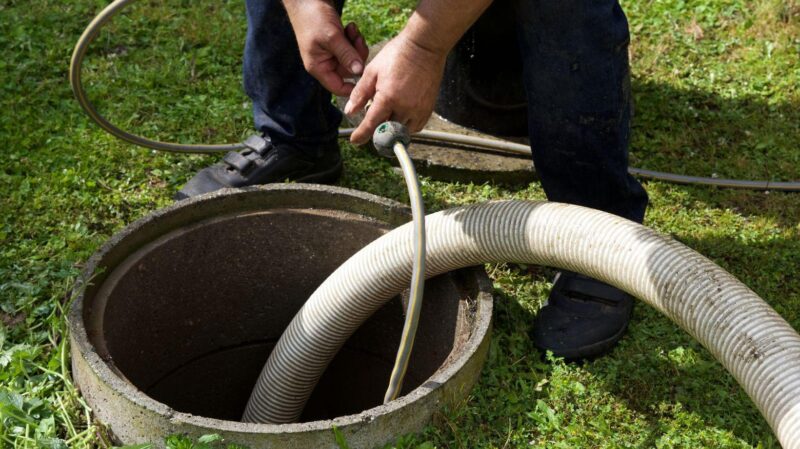
Central Virginia sits on heavy clay soil that swells when saturated and shrinks during dry spells. That seasonal movement stresses buried water and sewer lines, gradually opening joints in older clay or cast iron sewer laterals. Once a joint separates even slightly, tree roots find it. The mature oaks and maples that make Richmond neighborhoods so pleasant are also relentless at infiltrating sewer lines in search of moisture.
The climate works on the other end of the system. Humid summers keep crawl spaces damp, which accelerates corrosion on exposed metal pipes and masks slow leaks that would be obvious in a dry basement. Winters are mild most of the time, but the region gets a handful of hard freezes each year, and pipes in uninsulated crawl spaces or exterior walls are exactly the ones at risk. Because deep freezes are occasional rather than constant, many older Richmond homes were never built with serious freeze protection in mind.
What a Yearly Checkup Actually Covers
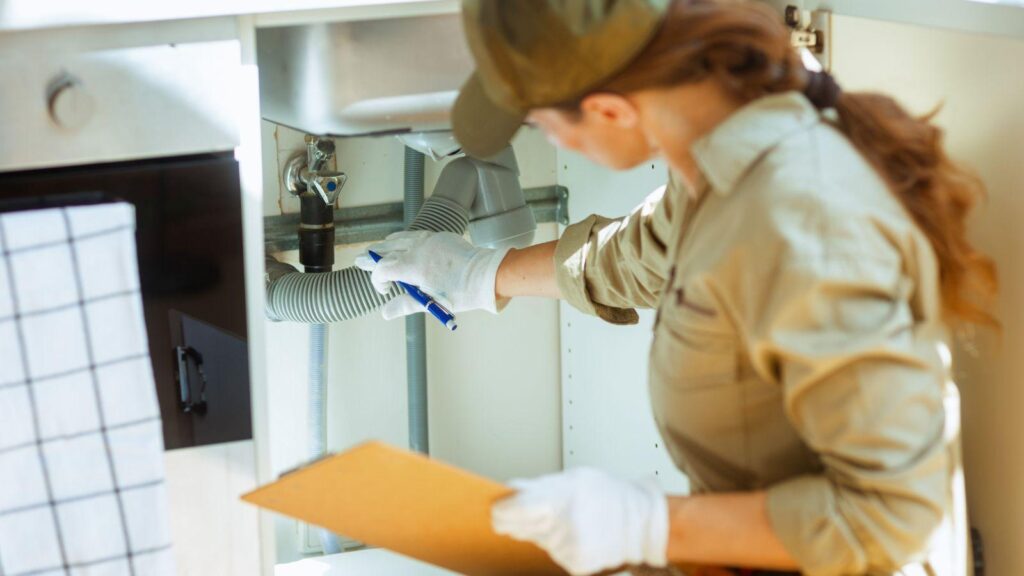
A proper annual inspection is a systematic review of the whole system, not a quick glance under the kitchen sink. A thorough visit typically includes:
- Water pressure and flow testing to catch supply-line corrosion before fixtures start underperforming
- Water heater assessment, including sediment levels, anode rod condition, and signs of tank corrosion, since most tank heaters fail between years 8 and 12
- Visual inspection of exposed supply and drain lines in basements and crawl spaces, looking for corrosion, mineral staining, and moisture
- Fixture and shutoff valve checks, because a seized shutoff valve turns a minor leak into a major one when nobody can stop the water quickly
- Drain performance evaluation, and where history warrants it, a camera inspection of the sewer lateral to check for root intrusion or joint separation
- Sump pump and drainage review, which matters in a city where summer storms can drop several inches of rain in an afternoon
The point of the visit is a written picture of the system’s condition, so the homeowner knows what is fine, what needs monitoring, and what should be scheduled for repair before it fails.
The Math on Prevention
The financial case is straightforward. A burst supply line or a failed water heater in a finished basement routinely produces thousands of dollars in water damage, and insurance claims for water damage are among the most common homeowners file. Slow leaks are arguably worse: a pinhole leak inside a wall can feed mold and rot joists for months before anyone notices, and remediation costs climb fast in older homes where walls are plaster rather than drywall.
Set against that, an annual inspection costs less than most people spend on a single dinner out, and it converts emergencies into scheduled maintenance. Replacing a corroded section of galvanized pipe on a planned Tuesday costs a fraction of replacing it during a Saturday night flood, drywall and flooring included.
When to Bring in a Professional
Homeowners can and should watch for warning signs themselves: dropping water pressure, discolored water after the tap has sat unused, damp spots on ceilings, gurgling drains, or a water bill that creeps up without explanation. Any of these justifies a call sooner rather than later.
For the annual inspection itself, and for any work on aging supply lines, sewer laterals, or water heaters, the job belongs with a licensed local plumber homeowners can call on year after year, someone who knows how the city’s older housing stock behaves and can spot the difference between a pipe that has decades left and one that is quietly reaching the end of its life. Older homes reward owners who stay ahead of problems. In a city with as much historic housing as Richmond, an hour of professional attention once a year is a small habit that protects everything behind the walls.