
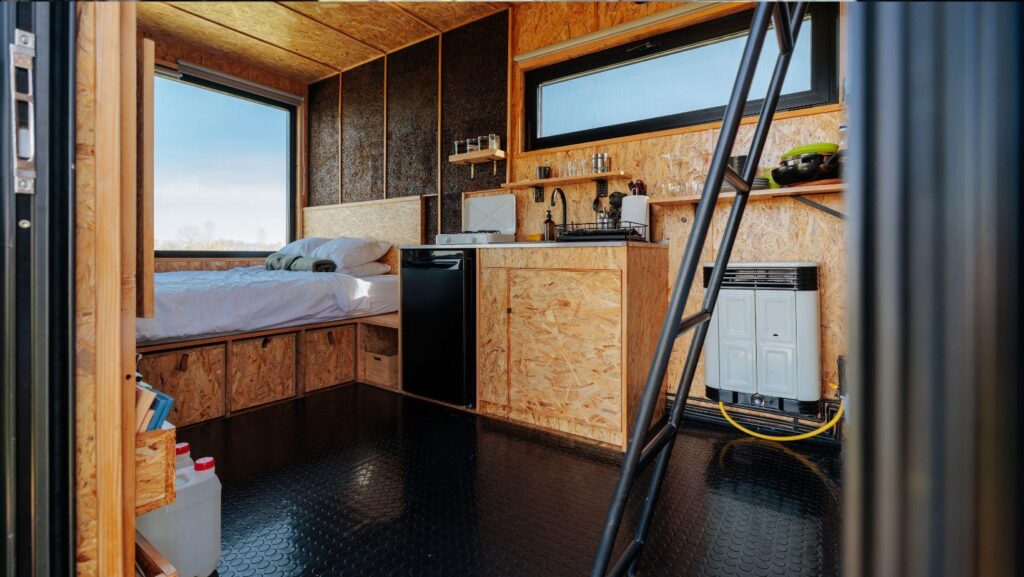
Small spaces present unique challenges and possibilities, especially when it comes to loft areas in a home. Frequently underutilized, these spaces hold incredible potential for innovation and creativity. From cocooning reading nooks to smart office spaces, lofts present a remarkable frontier of home design. The trick lies in skillfully maximizing the space’s utility while showcasing your personal style. In this article, we will explore various strategies to transform loft spaces into functional, comfortable, and visually appealing areas, enabling you to fully enjoy every inch of your home.
UNDERSTANDING THE POTENTIAL OF LOFT SPACES
Loft areas, often overlooked or underutilized, hide a potential treasure trove of usable space. Understanding how to exploit these areas effectively can unlock functional living spaces that add significant value and utility to your home. When approaching a loft transformation, begin by assessing the space’s dimensions carefully. Consider ceiling heights, existing structural elements such as beams, and lighting conditions. Knowing the limitations and possible configurations of your space will set the stage for a successful makeover.
For many, a loft conversion in Bromley presents a familiar example of turning attic spaces into chic living quarters. This requires meticulously planning the layout to ensure every inch counts, often making excellent use of natural light while accounting for privacy and accessibility. Custom fittings and furniture can often be tailored for sloped ceilings or irregular layouts, ensuring the transformed area serves your needs perfectly.
CREATIVE DESIGN IDEAS FOR LOFT TRANSFORMATIONS
Once you've thoroughly assessed your loft space, it's time to move into the design phase. Creative ideas play a crucial role in maximizing loft utility, especially when working with restricted square footage. Consider converting your loft into a cozy bedroom, complete with built-in storage and compact furnishings. Use of a folding bed or a Murphy bed can help save space during the day while providing a comfortable sleeping area at night.
Alternatively, a loft can serve as an ideal home office. This setup benefits from the seclusion offered by lofts, minimizing distractions and offering a dedicated workspace. Invest in multifunctional furniture—such as shelves that double as desks—to further maximize space. Embracing minimalist design principles can also help create a serene, focused environment conducive to productivity.
RENOVATION TIPS FOR LOFT CONVERSIONS
Renovating a loft is a substantial undertaking that requires careful consideration of design and structural elements. Start by establishing a clear vision for the space's future use—be it an additional bedroom, an office, or a cozy retreat. Next, consider how heating and cooling will be managed; lofts can be notorious for extreme temperature variations. Ensure proper insulation and consider energy-efficient HVAC systems or strategically placed windows for natural ventilation.
Lighting is another critical factor, as many lofts suffer from limited natural light. Clever use of skylights, LED strip lighting, and strategically placed lamps can transform a dark attic into an inviting oasis. Moreover, for a seamless and aesthetically pleasing finish, always opt for high-quality materials that reflect your style and enhance comfort.
SMART FINANCIAL MOVES FOR YOUR RENOVATION PROJECT
Transforming a loft into a functional living space requires creativity, careful planning, and often a meaningful financial investment. Beyond choosing clever storage solutions and multipurpose furniture, homeowners should consider how these improvements affect their finances long-term. Strategic financial planning can help identify potential deductions related to home renovations, especially if the space serves a business or rental purpose.
By approaching your loft transformation with both design vision and financial foresight, you create a space that's not only functional and stylish but also a smart investment for your overall financial picture.
SCHOOLING YOURSELF FOR A SUCCESSFUL LOFT TRANSFORMATION
Before embarking on a loft conversion, educating yourself on the legal and structural requirements is essential. Consult local regulations and zoning laws to ensure compliance. Given the structural implications, it's typically advisable to engage professionals experienced in loft transformations. Architects, engineers, and interior designers can provide insights into structural integrity and design feasibility, ensuring a conversion that’s both safe and stylish.
MASTERING THE ART OF STORAGE IN LOFT SPACES
One of the significant challenges in loft spaces is managing storage without overwhelming the limited space. Built-in units are an ideal solution: consider customized shelving under sloped ceilings or recessed cupboards along the walls. Dual-purpose furniture, such as ottoman storage, can offer discreet places to stash away essentials without cluttering the space. Employing creative organizational strategies will ensure your newly transformed loft is as functional as it is aesthetically pleasing.
THE CHALLENGE OF ACCESSIBILITY IN LOFT CONVERSIONS
Accessing loft spaces comfortably and safely is another critical factor in loft transformations. If your current staircase is steep or narrow, an essential part of your renovation could involve redesigning or relocating it. Spiral staircases or retractable ladders offer practical solutions that require less space and add a modern touch. Always consider safety in your design, ensuring that your loft is easily accessible to all potential users.
DECORATING AND PERSONALIZING YOUR NEW LOFT SPACE
Once the structural and functional aspects of your loft conversion are complete, decorating provides the opportunity to imprint your personal style. Choose a cohesive color palette that aligns with the rest of your home or make it distinct with bold accent colors and statement pieces. Plants, artwork, and textiles can all lend texture and warmth to an attic transformation, turning it into a welcoming retreat.
Elevate Comfort With High-Quality Soft Furnishings
Making the most of a loft isn't only about clever layouts and built-in storage—it also means creating a space that feels warm, inviting, and comfortable enough for everyday use. Soft blankets, plush throws, and premium textiles can instantly transform a compact loft into a relaxing retreat while adding style without creating visual clutter.
Whether you're designing a reading nook, guest sleeping area, or cozy family corner, choosing quality home textiles makes a noticeable difference. Brands like Saranoni are known for exceptionally soft blankets and luxurious comfort pieces that complement modern loft designs, helping you create a functional space that feels just as comfortable as the rest of your home.
CONCLUSION: EMBRACING FLEXIBILITY IN SMALL SPACES
The key to successfully transforming small spaces like lofts lies in striking a delicate balance between functionality and aesthetics. By understanding the inherent potential of loft areas and creatively maximizing their utility, you can transform these underused spaces into vibrant, functional extensions of your home. Whether you envision a serene reading corner or a bustling activity hub, the possibilities are limited only by your imagination and resourcefulness. Embrace the challenge, engage with professional expertise where necessary, and take proactive steps to ensure safety and compliance. With careful planning and innovative design, loft spaces can become cherished parts of the home that add not only value, but also joy to everyday living.


