Property maintenance is often approached reactively. Something breaks, a leak appears, a system stops working, and only then does it become a priority. While this mindset is common, it is also one of the main reasons small issues turn into expensive problems. A more effective approach is built on anticipation rather than response, where regular oversight reduces the likelihood of disruption in the first place.
Property maintenance that actually prevents problems starts with a proactive approach, and homeowners can rely on Grapids Home Services to help keep their homes in excellent condition year-round.
For homeowners and property managers, this shift is less about doing more work and more about doing the right work at the right time. It is about understanding how systems behave over time and recognising early signs before they develop into visible failures.
The Accumulation of Small Issues
Most serious property problems do not begin as major faults. They start as minor irregularities that are easy to ignore. A slow drain, a slight drop in water pressure, or a faint damp smell can all seem insignificant in isolation. However, these are often early indicators of underlying issues within plumbing or structural systems.
Over time, these small signals tend to compound. What could have been addressed with minimal effort becomes more complex, affecting multiple areas of the property. In residential environments, this escalation is particularly common because daily use places constant pressure on core systems.
Recognising patterns early allows property owners to intervene before damage spreads. This is where preventative thinking begins to make a measurable difference.
Why Plumbing Sits at the Centre of Maintenance
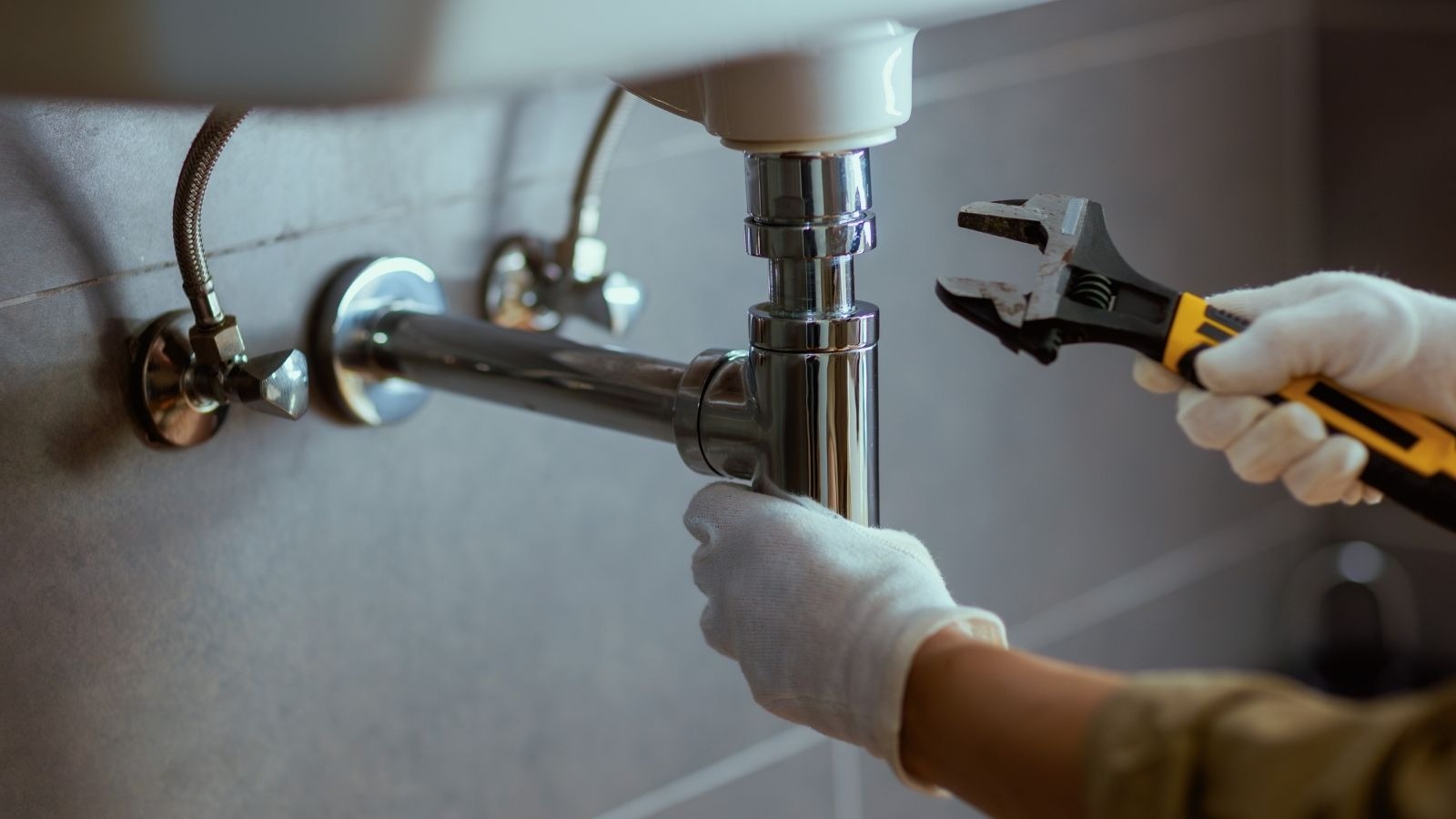
Among all property systems, plumbing is one of the most consistently used and most vulnerable to gradual wear. Unlike electrical systems or structural elements, plumbing is in constant operation, handling water flow, pressure changes, and temperature variation throughout the day.
Because much of it is hidden, issues can develop without immediate visibility. Leaks behind walls, slow pipe degradation, or partial blockages often go unnoticed until they reach a point where intervention is unavoidable.
This is why plumbing is often central to both preventative maintenance and emergency response. When issues surface suddenly, access to a reliable emergency plumber in Brisbane becomes essential, not only to resolve the immediate problem but to limit secondary damage that can spread quickly through floors, walls, and adjoining spaces.
The Role of Routine Inspections
Routine inspections are one of the most effective tools in property maintenance, yet they are frequently overlooked. Many property owners assume that if everything appears to be functioning, there is no need for further attention. In reality, inspections are most valuable before visible problems arise.
A structured inspection process focuses on identifying early-stage issues. This includes checking water pressure consistency, examining visible pipework, assessing drainage performance, and monitoring for signs of moisture in areas where it should not be present.
These checks do not need to be overly complex. What matters is consistency. Over time, they create a clearer picture of how a property is performing and where attention may be needed next.
Emergency Situations and Response Readiness
Even with strong preventative measures in place, unexpected issues can still occur. Pipes can burst, blockages can form rapidly, and external factors such as weather can introduce sudden strain on systems. In these moments, response time becomes critical.
Water-related issues, in particular, can escalate quickly. What begins as a leak can lead to structural damage, mould development, and electrical risks if not addressed promptly. Having a clear plan for emergency response reduces both stress and impact.
This includes knowing who to contact, understanding how to isolate water supply if needed, and ensuring that access points are not obstructed. Preparedness does not eliminate risk, but it significantly reduces the consequences when problems arise.
Long-Term Cost Efficiency
One of the most overlooked benefits of preventative maintenance is cost control. Reactive repairs are often more expensive because they involve urgent response, more extensive damage, and sometimes multiple trades working simultaneously.
In contrast, early intervention is typically more targeted and less disruptive. Addressing a minor issue before it spreads allows for controlled repairs, often at a fraction of the cost.
Over time, this approach leads to more predictable maintenance expenses. Instead of unexpected, high-cost repairs, property owners can manage smaller, planned interventions that preserve both the condition and value of the property.
Aligning Maintenance with Property Value
A well-maintained property does more than function effectively, it retains its value. For homeowners, this translates into long-term asset protection. For property managers, it supports tenant satisfaction and reduces vacancy risks.
Maintenance is often most visible when something goes wrong, but its real value lies in preventing those moments from happening in the first place. Consistent upkeep signals that a property is being managed with care, which has both practical and financial implications.
According to guidance from the Australian Government on home upkeep and safety, regular maintenance of essential systems plays a key role in preserving structural integrity and reducing avoidable risks. This reinforces the idea that maintenance is not simply operational, it is strategic.
A Shift Toward Proactive Ownership
The way property owners approach maintenance is gradually changing. There is increasing awareness that waiting for problems to appear is neither efficient nor sustainable. Instead, a more proactive model is emerging, one that prioritises awareness, consistency, and early action.
This approach does not require constant attention, but it does require a shift in mindset. It involves recognising that the systems within a property are active, evolving, and subject to wear over time.
When maintenance is approached with this perspective, it becomes less about reacting to issues and more about preventing them from developing at all.
Building a Property That Performs Over Time
At its core, effective property maintenance is about performance. A well-maintained property is not just visually appealing, it operates reliably across all its systems.
This reliability comes from understanding how different elements interact, how small issues can evolve, and how timely intervention can prevent larger disruptions. Plumbing, as one of the most active systems in any property, remains central to this process.
By combining preventative practices with readiness for unexpected situations, property owners can create environments that are both resilient and efficient. Over time, this leads to properties that not only look well cared for, but genuinely perform that way in everyday use.