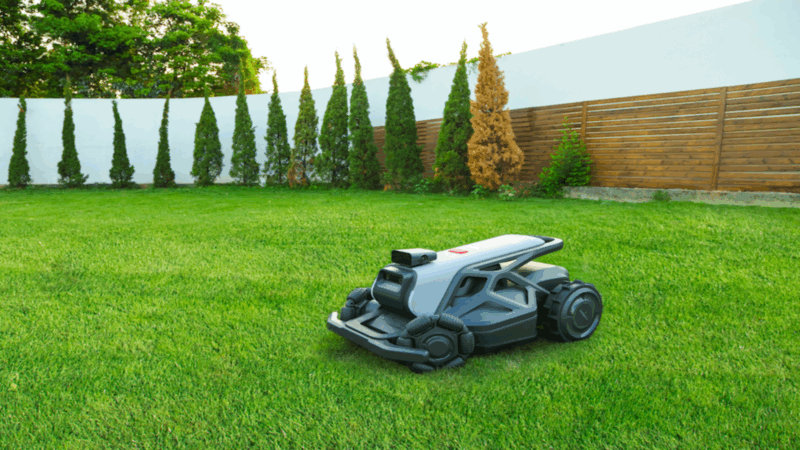
Evergreen shrubs are a wonderful addition to any landscape — offering year-round greenery, structure, and curb appeal. But for many homeowners, new evergreen plantings suffer during their first winter, often showing signs of stress, browning foliage, or even dieback. Understanding why this happens and how to protect these plants can make the difference between a thriving garden and a disappointing one.
Whether you’re a seasoned gardener or a first-time homeowner, protecting newly planted evergreens during harsh winter months should be a priority. In this article, we’ll explore the most common reasons new evergreen shrubs struggle in winter and provide practical caregiving strategies to help them survive and thrive.
Why Evergreen Shrubs Struggle in Winter
1. Insufficient Root Establishment
One of the biggest reasons new evergreen shrubs struggle in winter is lack of established roots. When shrubs are newly planted, their roots haven’t yet spread into the surrounding soil. Winter conditions — particularly freezing temperatures and frozen ground — prevent roots from absorbing water efficiently. Without a strong root system, evergreens cannot replace the moisture they lose through their needles, leading to drought stress.
2. Winter Desiccation (Drying Out)
Evergreens keep their foliage throughout the colder months, which is beautiful but challenging. They continue to lose moisture through their needles even when the ground is frozen and water is unavailable. This winter desiccation can cause browning, dryness, and in severe cases, death of branches.
3. Harsh Winds and Exposure
Winter winds are another culprit. Strong winds pull moisture from leaves and needles, accelerating water loss. Shrubs planted in exposed locations — such as open yards or elevated slopes — are more susceptible to wind burn and drying out.
4. Improper Planting Depth or Technique
Planting too deep or too shallow can stress evergreens. If planted too deep, water can pool around the trunk, leading to root rot. Too shallow, and roots are left exposed to cold air and temperature fluctuations. Proper planting technique is critical for winter survival.
5. Soil and Drainage Issues
Poor soil quality or drainage can weaken shrubs before winter. Soil that remains waterlogged inhibits oxygen to roots, while sandy or nutrient-poor soils fail to support healthy growth. Either condition puts newly planted evergreens at a disadvantage before the cold even begins.
How to Protect New Evergreen Shrubs in Winter
Now that we’ve looked at why evergreens struggle in winter, let’s explore actionable ways to protect and support them:
1. Water Deeply Before the First Freeze
Watering isn’t just a summer task. Deep, thorough watering in late fall helps shrubs store the moisture they need for winter. Aim to water the soil around new shrubs until it is moist several inches down. This hydration gives them a vital reserve once ground water freezes.
Tip: Avoid watering once the ground is frozen.
2. Apply Mulch for Insulation
A layer of organic mulch — such as shredded bark or pine needles — around the base of shrubs helps regulate soil temperature and retains moisture. Apply a 2-4 inch layer of mulch, keeping it slightly away from touching the trunk to prevent rot.
Mulching also protects roots from extreme temperature swings and reduces weed competition in spring.
3. Use Windbreaks and Burlap Wraps
For shrubs exposed to strong winter winds, erecting a windbreak can reduce desiccation. Burlap screens, garden fencing, or even temporary stakes with breathable fabric can protect evergreens from the worst gusts.
Burlap wrapping is especially helpful for young or tender evergreens. Wrap shrubs loosely with burlap during peak wind months to shield foliage without trapping moisture.
4. Choose the Right Location
If possible, plant evergreens in locations that offer some natural protection — such as near buildings, fences, or other structures that block winds. South- or west-facing locations can provide more sunlight and slightly warmer microclimates.
However, avoid planting too close to foundations where heat reflection or restricted root space may create future issues.
5. Amend Soil Before Planting
Healthy root systems begin with healthy soil. Before planting, assess your soil quality and amend it where needed. Mix in compost to improve water retention and nutrient content. If your soil is heavy clay or poorly draining, consider raised beds or soil blends that support better drainage.
Testing the soil pH can also ensure that evergreen shrubs receive the optimal nutrient balance for growth.
6. Prune with Care
Resist the urge to prune evergreens in late fall or early winter. Pruning can stimulate new growth that won’t harden off before freezing temperatures arrive. Instead, wait until spring to trim winter-damaged branches or shape plants.
Professional Lawn & Shrub Care Matters
Healthy evergreens don’t just happen — they require thoughtful care and expertise. If you’re unsure about the needs of your landscape or want professional help, consider skilled lawn maintenance and shrub care services, such as jon sneider lawn care. Their experienced team can assess your soil, suggest the best shrub varieties for your property, and provide targeted winter protection solutions tailored to your yard.
Quality lawn care services can reduce the risk of winter damage and set your evergreens up for success year after year.
Conclusion
New evergreen shrubs add beauty, privacy, and structure to your landscape, but winter can pose significant challenges — especially for recently planted specimens. From desiccation and root establishment issues to wind stress and improper planting, there are several reasons these plants may struggle once temperatures drop.
Fortunately, there are practical steps you can take to protect and support your evergreens:
-
Water deeply before freeze-up
-
Use mulch to insulate roots
-
Protect from harsh winds with wraps or screens
-
Plant in sheltered, well-drained spots
-
Improve soil quality before planting
With planning, protection, and the right care approach, your evergreen shrubs can thrive — even through winter’s worst.
For tailored lawn and shrub care solutions, don’t forget to explore professional options like jon sneider lawn care to keep your landscape healthy and vibrant year-round.