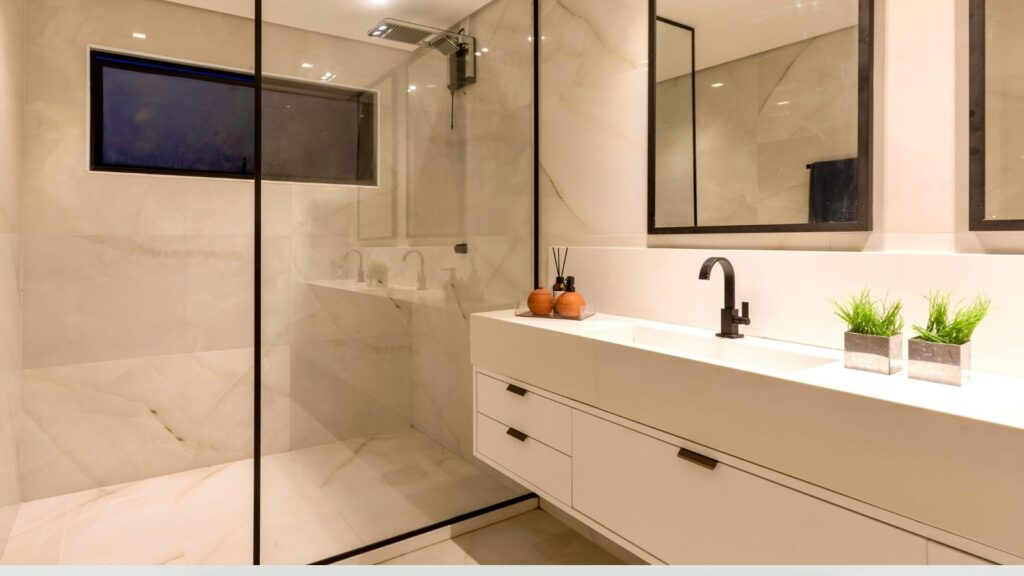
Embarking on a luxury bathroom remodel is an exercise in vision and precision. It’s about transforming a utilitarian space into a personalized sanctuary, complete with exquisite materials and state-of-the-art fixtures. As you plan this transformation, however, it’s crucial to recognize that your ambitions are governed by a strict, non-negotiable framework of building codes and permit requirements. In the high-end market, a permit is not a bureaucratic checkbox; it is the official record certifying that your significant financial investment was built to an uncompromising standard of safety and durability.
Understanding this process is the foundational step in safeguarding your project, your home, and its future value. The permit process exists to ensure life safety, particularly with the complex plumbing and electrical systems inherent in luxury features. It validates proper moisture management to prevent mold and health issues, guarantees the structural integrity of your home is never compromised for aesthetics, and provides crucial liability protection with your insurance carrier. This guide illuminates the critical compliance side of creating your ultimate high-end bathroom.
Beyond the Basics: Permits Triggered by Advanced Luxury Features
While all remodels involving plumbing or electrical work require baseline permits, luxury renovations introduce a higher tier of complexity. The very features that define a high-end space are those that trigger the most stringent review from local building departments. The modern luxury bathroom is a high-performance environment, and its features demand advanced permitting.
The installation of a steam shower, for example, is a primary trigger. This is not just a plumbing job; it requires a dedicated 240V electrical circuit, full vapor-proofing on all six sides of the enclosure, a sloped ceiling to manage condensation, and a specifically rated ventilation system. Insight from our internal project dataset shows that projects including steam showers require, on average, two additional inspections focused solely on the integrity of the waterproof membrane and vapor barrier before any tile can be set. Similarly, installing radiant floor heating involves dedicated electrical permits to ensure the system is on a GFCI-protected circuit and won’t conflict with critical waterproofing layers. Even high-flow, multi-head shower systems can trigger a need for plumbing upgrades to your home’s main water supply.
Technology integration is another key area. Smart-home systems controlling lighting, digital shower controls, in-shower audio, and heated towel warmers all require specific low-voltage and high-voltage wiring permits. An inspector’s primary concern will be ensuring that all these components are correctly installed, grounded, and GFCI-protected to eliminate any risk of shock in a wet environment.
The Structural & Engineering Demands of a Minimalist Aesthetic
Often, the most sleek and minimalist designs require the most significant structural work behind the scenes. This is a critical area where an architect or structural engineer becomes an indispensable part of your project team, and where building permits become paramount.
A prime example is the wall-mounted toilet. While visually clean, it requires opening up a wall to install a heavy-duty steel carrier system that must be securely bolted to the house’s framing. This process requires both a building permit to approve the structural modification and a plumbing permit for the new connections, with a mandatory “rough-in” inspection required before the wall is ever closed up.
Perhaps the most significant structural undertaking is the creation of a curbless, zero-entry shower. This highly sought-after feature involves methodically altering the floor joists to recess the shower pan, allowing for a perfectly flat, accessible transition from the main bathroom floor. This is not a simple carpentry task; it demands a structural permit and, in almost all cases, a formal plan stamped by a licensed structural engineer. They must verify that the floor’s load-bearing capacity is not compromised—a non-negotiable step to ensure your home’s long-term stability.
Permitting: The Cornerstone of Your Home’s Resale Value
In the luxury real estate market, due diligence is exhaustive and unforgiving. A stunning, high-end bathroom can be a powerful selling point, but a clouded or incomplete permit history can become a deal-killing liability. Our analysis of disposition data for high-value homes reveals a clear and costly trend: discerning buyers will walk away from a deal, or demand a substantial price reduction, when their inspector discovers unpermitted work.
You must think of your final, signed-off permit and Certificate of Occupancy not as a piece of paper, but as a core asset of your property. It is the irrefutable, official proof that your bathroom was built correctly, safely, and legally. Attempting to save a few thousand dollars by circumventing the permit process can ultimately cost you tens of thousands in a reduced sale price, closing delays, or a lost sale altogether. Properly permitting your project is one of the most vital steps you can take in protecting your investment.
Why Mr Remodel? Putting Our National Data into Action
The insights in this article come directly from our deep experience analyzing projects across the country. We believe homeowners deserve transparent, data-driven advice before making a major investment. That is the core of our process.
What We Do
- Connect homeowners with vetted, licensed local professionals for major home renovation projects.
- Match you with qualified contractors experienced in kitchens, bathrooms, whole-home remodels, and structural upgrades.
- Facilitate introductions so you can receive real quotes from real local contractors, based on your specific project scope.
- Help streamline the early stages of your project by pairing you with pros who meet licensing, insurance, and permit standards in your area.
What We Are Not
- We are not a contractor and do not perform construction or renovation work ourselves.
- We are not a handyman service or a one-person “Chuck-in-a-truck” operation.
- We are not a DIY parts supplier or material retailer.
- We are not a bargain-basement bidding platform focused on cutting corners, skipping permits, or avoiding proper insurance.
Ready to start your project with a team that values data and transparency? Apply through MrRemodel.com today for a free, no-obligation quote.