The holiday season brings joy, family gatherings, and festive decorations. While twinkling lights, cozy fires, and traditional meals are welcome parts of the celebrations, they also introduce significant fire risks.
A fire can lead to costly damage, and repair/rebuilding expenses can add up quickly. Simple precautions can make a big difference, both in safety and peace of mind. That can also mean reviewing your current homeowners’ insurance to confirm you have the right protection in place for unexpected events. If you’re unsure about your coverage limits or what’s included, it may be a good time to check with your current insurance company or request a new homeowners insurance quote to ensure you’re fully protected this season and in the year ahead.
Common Holiday Fire Hazards in Your Home
It’s the season to be jolly, but a little caution goes a long way. Some of our favorite holiday festivities can also raise the risk of fire. Knowing what to watch for helps keep your home safe and your celebrations bright.
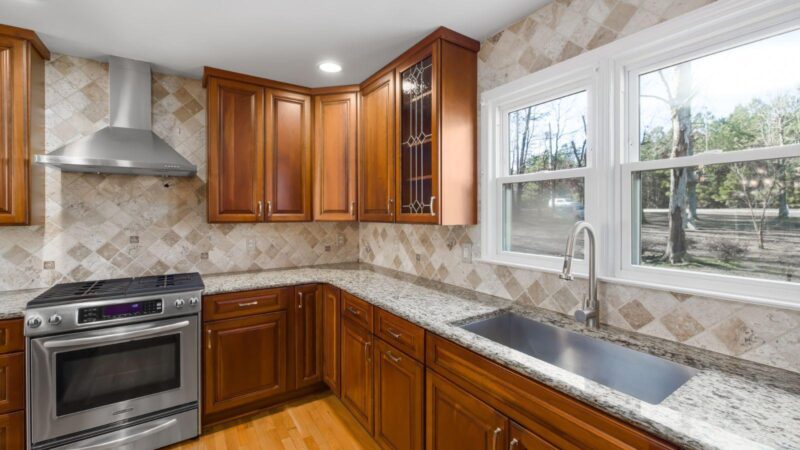
Cooking and Kitchen Mishaps
The kitchen is the heart of holiday celebrations, but according to the U.S. Consumer Product Safety Commission (CPSC), cooking is the leading cause of residential fires in the United States. This risk escalates dramatically on Thanksgiving Day, which sees an average of 1,400 cooking fires—more than three times the daily average.
Unattended cooking is the primary culprit. Deep-frying a turkey, a popular holiday tradition, is particularly hazardous. Turkey fryers can easily tip over, spilling hot oil and causing an explosive fire. These fryers should only be used outdoors on a flat surface and kept at a safe distance away from any structures.
Christmas Trees
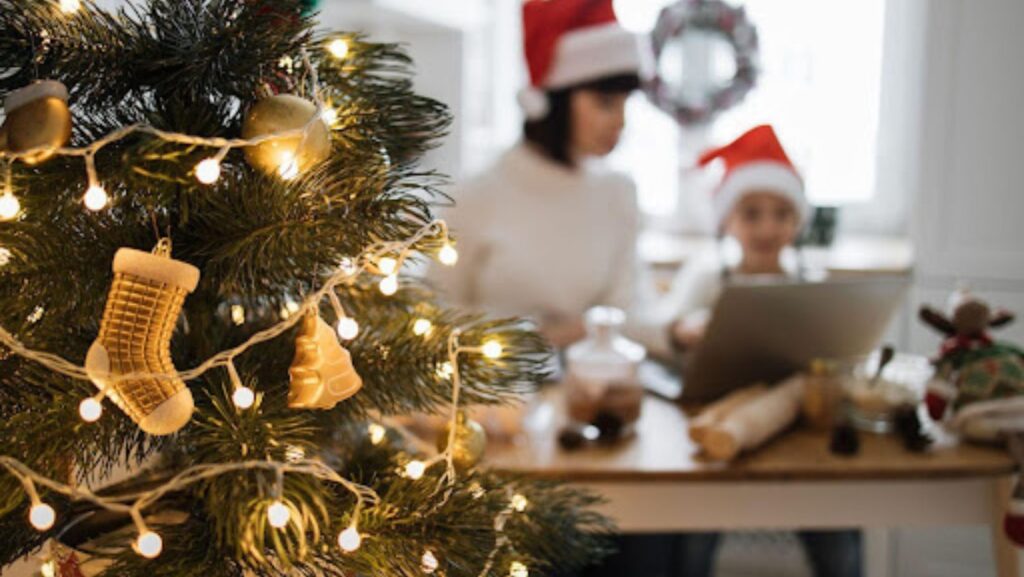
Christmas trees, both real and artificial, can be a major concern. The National Institute of Standards and Technology (NIST) reports that fire departments respond to approximately 210 home fires involving Christmas trees each year. While this number might seem low, these fires are disproportionately dangerous, resulting in an annual average of 6 civilian deaths, 16 injuries, and $16.2 million in direct property damage.
A dry Christmas tree can ignite and become fully engulfed in flames in less than a minute. A well-watered tree is significantly less flammable. And while most artificial trees have a flame-resistant coating, they may still be able to catch on fire.
Decorative Lighting
Holiday lights add a festive sparkle, but they can also be a fire hazard if not used correctly. Frayed wires, broken bulbs, and overloaded outlets or extension cords can all lead to disaster.
Candles
Open flames and flammable decorations are a dangerous combination. Candles should never be left unattended and should be placed well away from flammable items like curtains, decorations, and trees.
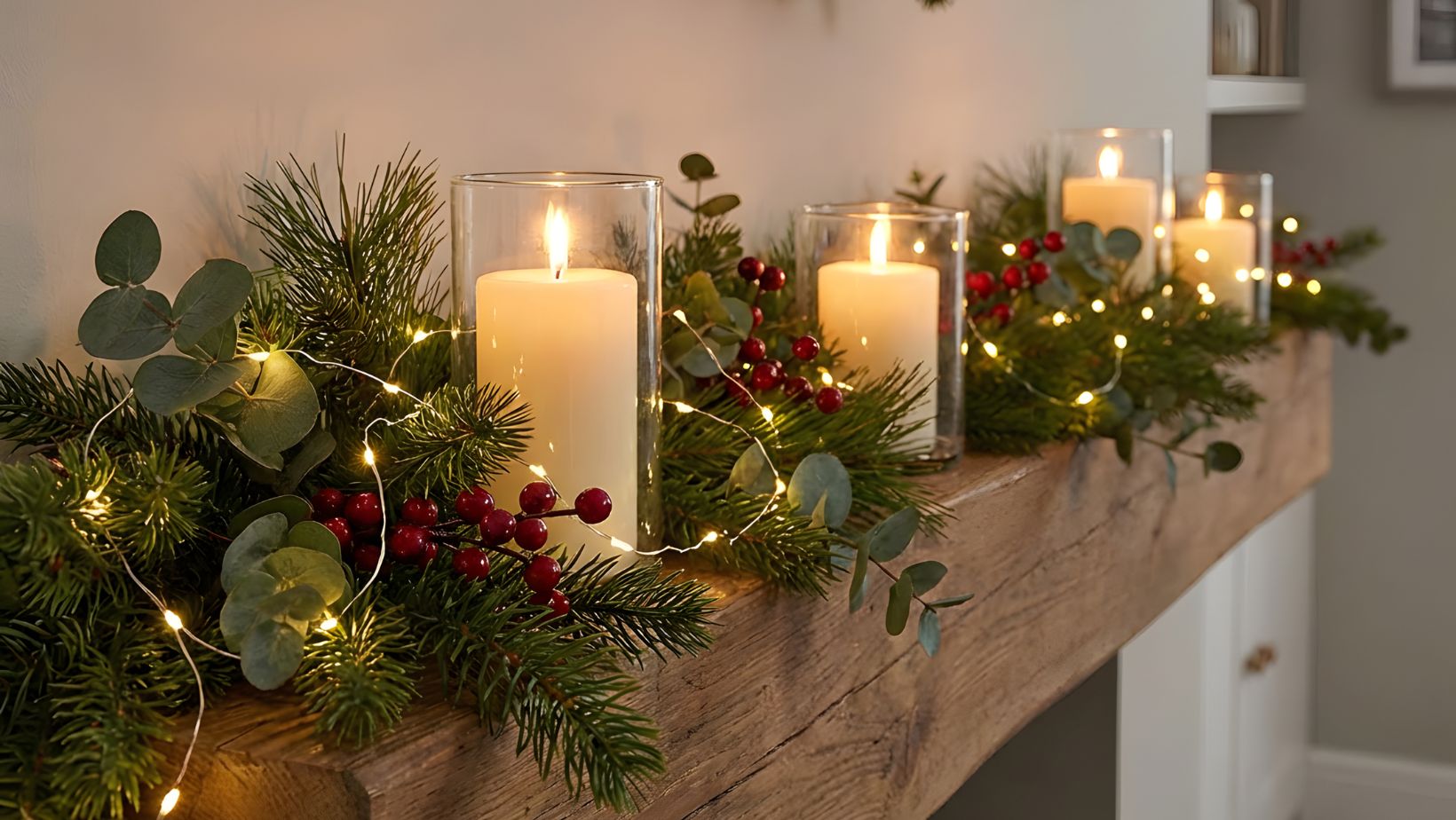
Using flameless, battery-operated candles is a much safer alternative that provides the same ambiance without the risk.
Practical Fire Safety Tips for the Holidays
Protecting your home and family doesn’t mean you have to give up your favorite customs. By following practical safety guidelines, you can enjoy a festive and safe holiday season.
Christmas Tree Safety
- Choose a fresh tree. When selecting a live tree, look for one with fresh, green needles that don’t fall off when you touch the branches.
- Keep it watered. Cut about two inches off the base of the trunk before placing it in the stand. This helps the tree absorb water. Check the water level daily and keep the stand full.
- Position it safely. Place your tree at least three feet away from any heat source, including fireplaces, radiators, space heaters, and candles. Ensure it does not block any exits.
- Dispose of it promptly. Once the holidays are over or the tree has dried out, remove it from your home. Dry trees are a serious fire hazard.
Lighting and Decoration Safety
- Inspect your lights: Before decorating, check all your light strings for frayed wires, cracked sockets, or loose connections. Discard any damaged sets.
- Use Certified Products: Only use lights that have been tested and certified by a recognized laboratory, such as UL.
- Don’t overload outlets: Avoid plugging too many strings of lights into a single extension cord or outlet.
- Turn lights off: Always turn off all holiday lights before leaving the house or going to bed.
Kitchen Safety
- Stay in the kitchen: Never leave food unattended on the stovetop. Use a timer to remind you of items cooking in the oven.
- Create a safe zone: Keep a three-foot “kid-free” and “pet-free” zone around the stove and areas where hot food or drinks are being prepared.
- Fry turkeys safely: If you use a turkey fryer, do so outdoors and away from your house, garage, and any other flammable materials. Never use it on a wooden deck.
How Homeowners Insurance Protects You
Even with care and preparation, fires can still happen—and that’s where homeowners insurance steps in to help you recover. A good policy covers not only the damage to your home but also the contents inside it and the associated costs that typically follow a fire.
If a fire occurs, dwelling coverage helps pay for repairs or rebuilding, while personal property coverage replaces lost belongings, such as furniture, electronics, or clothing. If your home becomes temporarily unlivable, loss of use coverage can help with hotel stays while repairs are made. And if the fire spreads or affects neighbors, liability protection helps cover potential legal or repair costs.
When to Contact Your Insurance Company
After a fire, it’s essential to contact your insurance company as soon as possible, document the damage with photographs, and retain receipts for any temporary repairs or expenses. Quick action and detailed records can make the claims process smoother and help you get back on your feet faster.
Check your Policy Annually
You should review your policy annually to ensure your coverage limits are adequate, especially if you have made significant purchases or renovations. An inventory of your personal belongings, including photos or videos, can also be extremely helpful when filing a claim.
Celebrate Safely All Season Long
The holiday season should be a time of celebration, not stress. By understanding the fire risks associated with holiday decorations and taking proactive safety measures, you can protect your home and loved ones. Combining these efforts with a robust homeowners insurance policy ensures that you are prepared for the unexpected, allowing you to focus on what truly matters: enjoying the season with family, friends, and peace of mind.