
When playing any card game like poker, it’s common for people to want to come out on top against their opponents. However, the most successful players don’t obsess over outcomes and winning each hand, instead turning their attention to making the best possible decisions they can based on the information available. With this in mind, let’s break down how focusing on decisions rather than outcomes can transform your game.
The Importance of Good Decision-making in Poker
Like in other areas of life, making good decisions is extremely important in poker. While games of chance like slots don’t require much critical thinking, poker involves a high level of skill and strategy where players are required to focus on their hands, read opponents and adapt their plan as the game progresses. As poker is deeply rooted in human behaviour, sharp players can uncover subtle clues in betting patterns, timing, or body language that hint at an opponent’s hand strength. Interpreting these signals effectively is crucial for making informed decisions at the poker table. If you make good decisions, you more likely to maximise your long-term winnings and exploit your opponents’ mistakes to your advantage. On the other hand, making a series of bad decisions can lead to consistent losses and missed opportunities which can cost you the game even if you have a strong hand.
The Difference Between Focusing on Decisions vs Outcomes
Focusing on outcomes is very common with beginner poker players more so than those who have been playing for a long time. This is because novices get caught up in the possibility of winning or losing, often letting short-term results have an impact on their emotions and choices. Those who focus on outcomes tend to judge their play by wins or loses rather than the quality of their decisions. Alternatively, those with a decisive mindset will evaluate each move based on strategy, probabilities and any other relevant information. Of course, it can be somewhat more difficult to focus on making decisions with online poker as you cannot ascertain what hand someone holds because you cannot see them. However, there are still opportunities to read opponents and gain an edge without being able to analyse body language. You can use tech to your advantage and use a hand calculator or time how long each person is taking to play their hand. You can factor in opponents’ betting patterns, timing and frequency of raises or folds into your decisions.
Tips for Staying Focused in Poker
It’s vital to stay centred in a game of poker as focusing on outcomes can be distracting, clouding your judgement and leading you to make critical mistakes. While some poker players immediately click into focused mode when they sit down at a poker table or enter an online poker room, true preparation often starts well before the game begins. Many successful poker players will use a variety of pre-game routines and mental preparation techniques to ensure they are fully ready before a poker game. For example, they will set goals for the session, review their previous games and any mistakes they’ve made as well as ground themselves with mindfulness and meditation.
During the game, it’s advisable to remain calm and collected, employing critical thinking instead of panicking and making impulsive decisions. Critical thinking is a fundamental cognitive process that enables individuals to objectively analyse, evaluate and interpret information to make informed decisions and solve complex problems. In poker, this means looking at the cards, your opponents and the possible outcomes before making a move. Using critical thinking helps you stay calm after losing hands and stick to smart strategies. It also lets you use what you notice at the table to make better decisions.
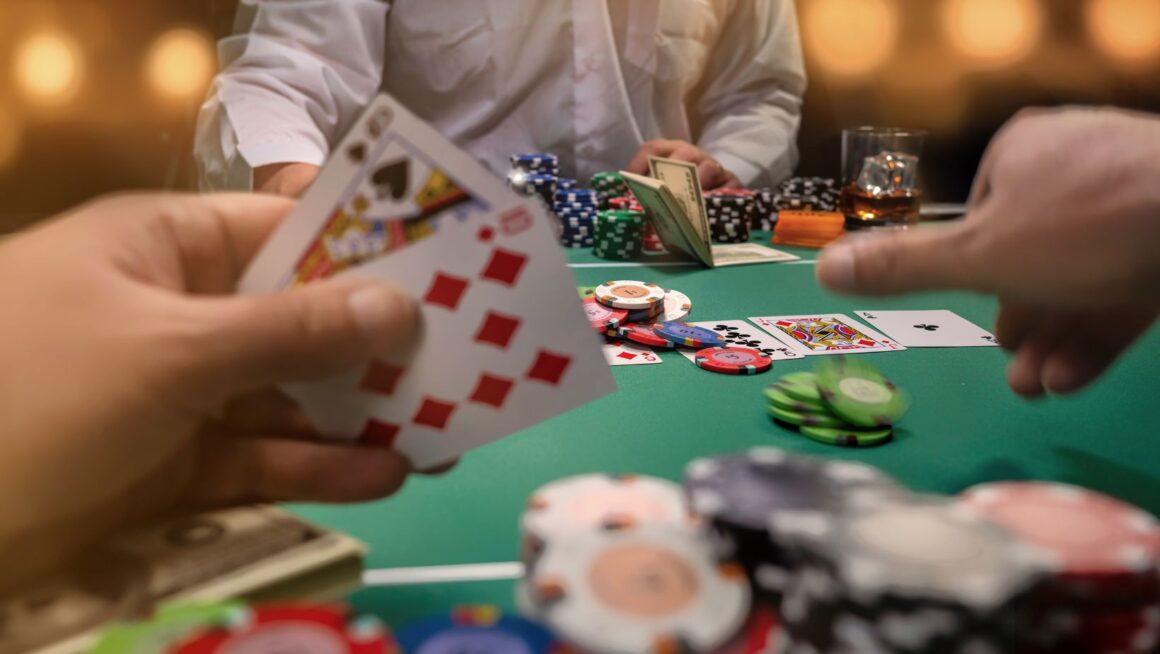
As mentioned previously, poker is a game with a lot of strategy. This means you are more likely to make good decisions when you have carried out research beforehand. For instance, you will need to familiarise yourself with poker terminology such as bluffing, pot offs, folding and all-in. Understanding these terms helps you to make informed decisions during the game and respond accordingly to different situations. You should also have a good idea of the names and value of poker hands such as royal flush, straight flush, two pair and one pair. This allows you to accurately assess your chances of progressing in the game and helps you to read your opponent’s better.
Final Thoughts
Ultimately, good decision-making is the most important skill in playing poker, which can be achieved by remaining focused. Having consistent focus during a game of poker is very important as worrying about the worst outcome can make it more likely to happen. If you are just starting out in the realm of poker, remember to prepare beforehand, employ critical thinking and take time to research poker terminology and hands.