
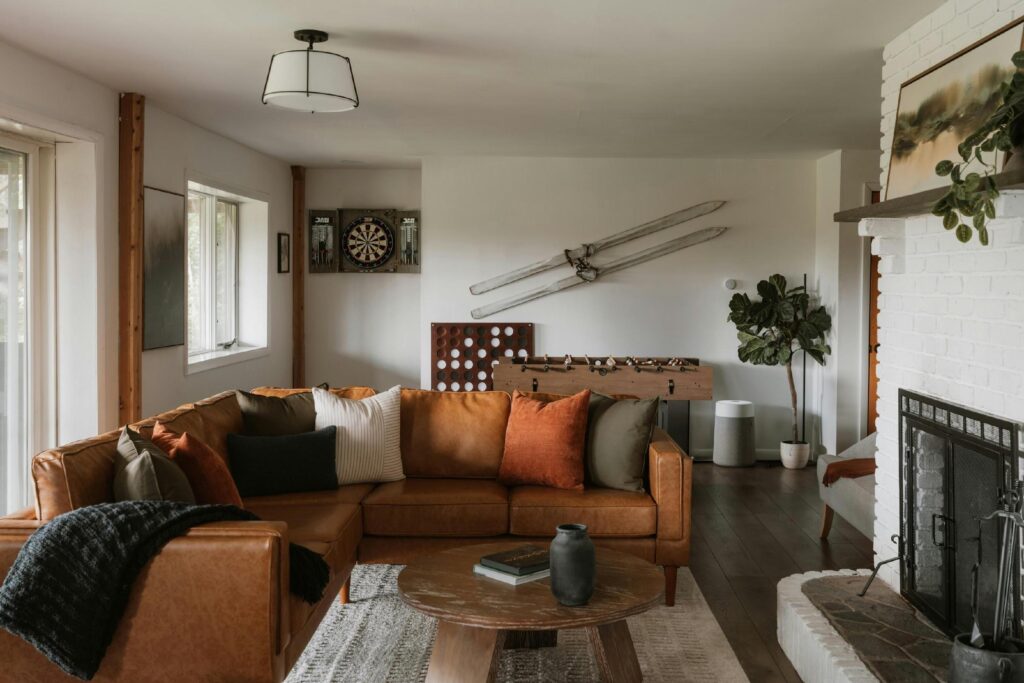
The living room is where we work, chat with friends, unwind, entertain, nap and spend the bulk of our waking hours — it’s safe to say the furniture anchoring it has to earn every square foot. That’s exactly why more than half of consumers planning a sofa purchase in the next several months are looking specifically at sectionals, drawn to their flexibility, scale, and staying power.
Sectionals Are Having a Moment (That Isn’t Going Away)
The data backs up what interior designers have been saying for years: the sectional sofa is the centerpiece of the modern living room, not an afterthought. The global sectional sofa market was valued at $38.4 billion in 2024 and is projected to reach $65.9 billion by 2033, growing at a CAGR of 6.2% — a trajectory driven by shifting lifestyles, open floor plans, and a consumer culture that treats the home as a sanctuary worth investing in, not just a place to rest our heads between tasks. And it proves that people are more interested in quality rather than cheap. They want products and services that have meaning, not just for a quick and cheap upfront purchase.
Adaptability fuels the demand for these pieces of furniture. L-shaped configurations suit tighter urban spaces; U-shaped layouts anchor larger rooms and create natural gathering areas. Modular builds let buyers reconfigure as their needs evolve. A sectional sofa is a practical decision for anyone dressing up their living room.
Why Leather Outlasts the Alternatives
Fabric fades. Microfiber pills. Performance materials, however technically impressive, rarely improve with age. Full-grain leather does something different: it develops patina — a gradual deepening of color and character that actually makes the piece more visually interesting over time.
Full-grain leather is the topmost, uncorrected layer of an animal hide. Because its natural grain contains the strongest fibers, it’s exceptionally durable, naturally breathable, and soft from the oils already present in the hide. The global leather sofa market is expected to grow from $9.4 billion in 2023 to $14 billion by 2033, a consistent upswing that reflects what buyers keep rediscovering: high-quality leather is a long-term value proposition, not a luxury splurge. High quality up front means longer lasting products, equating to long-term savings.
For households with heavier use — families, pet owners, frequent hosts — semi-aniline dyed leather offers a protective topcoat over the same full-grain base, making it more resistant to everyday wear while retaining the supple, natural look that draws people to leather in the first place.
Buying a Leather Sectional: What to Think About First
Before choosing a configuration, measure the room twice. Sectionals can transform an open space or overwhelm a narrow one depending on placement. Consider natural light exposure: pure aniline leathers, which have no topcoat, are more sun-sensitive and better suited to rooms that aren’t in direct light for most of the day. Semi-aniline finishes handle sunlight and daily contact more forgivingly.
Color matters more than most buyers initially account for. A well-chosen leather sectional in a rich cognac tan or deep onyx black reads as a design decision, not just a furniture purchase — it sets the tone for every other element in the room.
Finally, don’t underestimate the value of ordering swatches before committing. Leather reads very differently on a screen than it does under your home’s specific lighting. Most quality retailers offer swatches for exactly this reason.
The Bottom Line
Search volume for “leather sectional sofas” peaked at a score of 100 in January 2025 — the highest index point recorded — driven by post-holiday home refreshes and the enduring appeal of leather as a material that rewards the investment. That consumer instinct is well-founded. A full-grain leather sectional, properly cared for, defines the room.


